










Chinese chemical leaders pivot to high-end specialties amid global market slump

The global chemical industry is weathering its most severe downturn in a generation, marked by protracted losses, unprecedented margin compression, and an unusually prolonged slump in demand.
According to recent data from the 2026 C&EN Global Top 50 chemical firms ranking, combined chemical sales of the 50 firms dropped 5.8% to US$965.8 billion, with 39 of the top 50 firms reporting declines. Operating profits plummeted by 19.5% to US$47.2 billion for 37 firms that revealed the figures.
This financial squeeze has forced a contraction in global capital expenditures and a rare drop in R&D spending, as management teams targeted research laboratories and scaled back new project investments to preserve balance sheet health.
Amid this global market slump, China’s representatives in the Top 50 are steadily shifting from scale expansion to high-value quality enhancement. Many of these firms are executing an “oil-to-chemicals” conversion. While traditional refining models yield minimal chemical feedstocks, advanced integrated facilities boost these yields, generating additional profits from premium value-added downstream materials.
This structural pivot toward downstream advanced applications, such as energy storage system (ESS), electric vehicle (EV), and healthcare, is demonstrated by their latest strategic initiatives and technological rollouts.
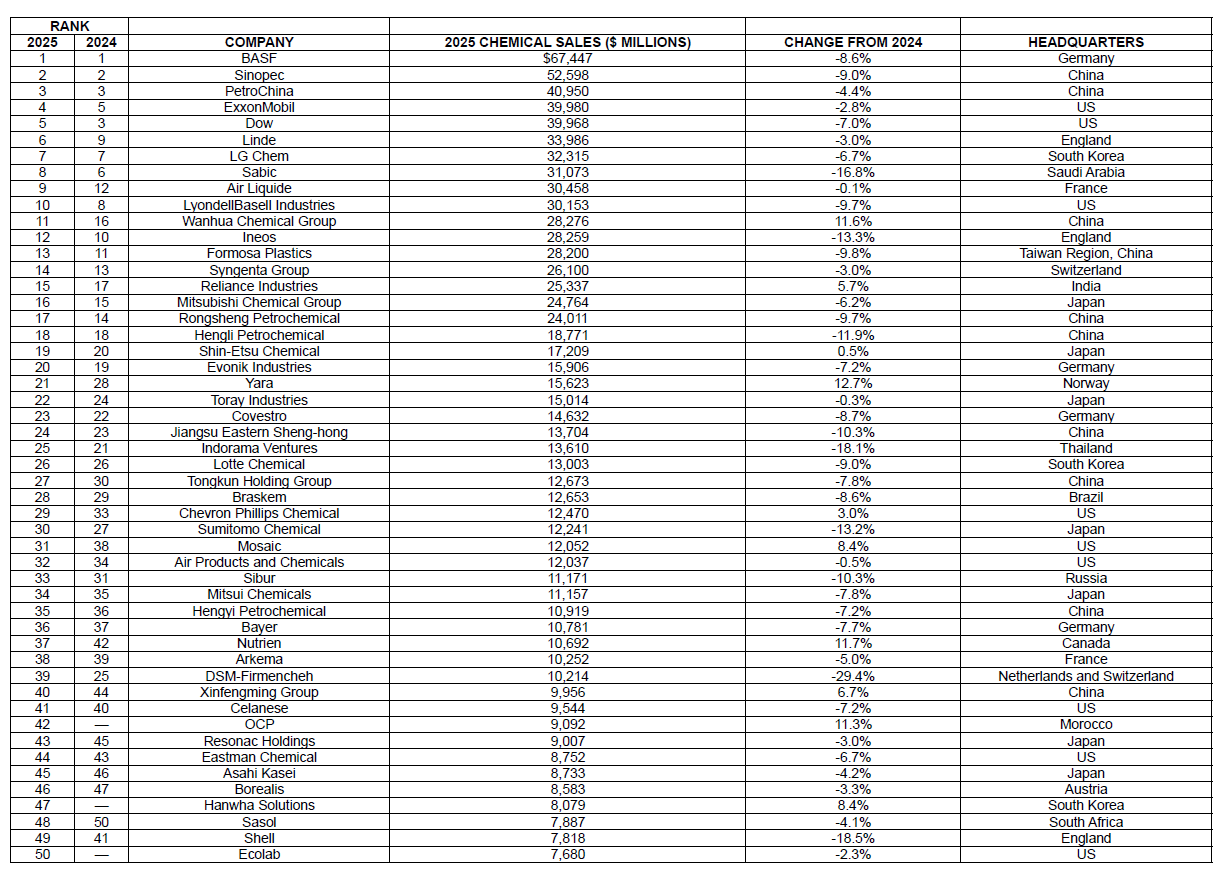
C&EN’s Global Top 50 chemical firms for 2026. (Source: C&EN)
Click "HERE" to read the Plastics Sourcing Guide (Book B, 2026)
Sinopec: Scale-driven circularity and battery alliance
Sinopec is actively advancing its circular economy initiatives and new energy innovations through two major strategic moves designed to expand its footprint in high-value-added sectors.
In March 2026, the corporation officially inaugurated Sinopec Recycling Technology Co., Ltd., establishing a centralized management platform to handle investment cooperation, resource storage, processing trade, and carbon chain services for the recycled materials industry. This specialized entity is engineered to spearhead the high-value utilization of waste plastics and become a world-leading resource recycling provider.
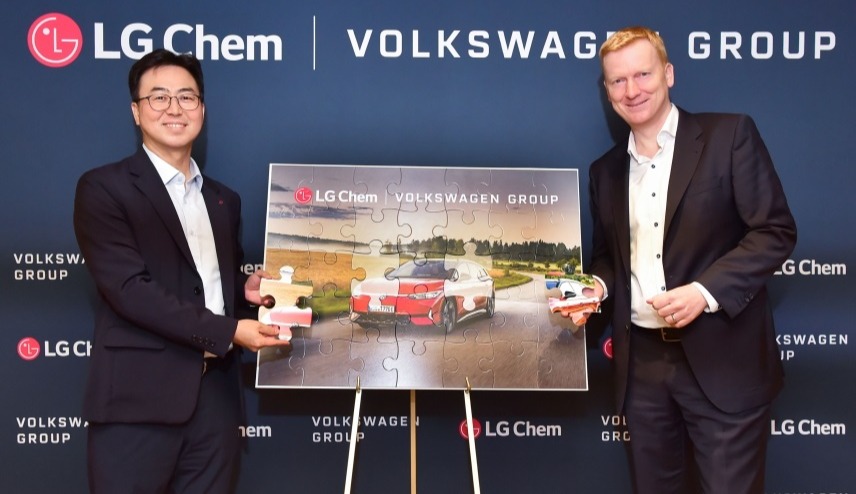
Sinopec has also successfully broken into the alternative battery supply chain by entering a joint development agreement with LG Chem to co-develop critical cathode and anode materials for sodium-ion architectures. This targeted partnership focuses on global ESS and EV markets, with both companies aiming to broaden their cooperation across renewable energy sectors to further promote sustainable development.
PetroChina: Deep engineering and the AI frontier
PetroChina has enhanced its core market competitiveness by positioning scientific and technological innovation as its primary development strategy, backed by a massive R&D expenditure of RMB 27.25 billion in 2025.
In engineering and chemical technology, the company achieved landmark results, including the successful completion of the ultra-deep Shendi Take-1 Well and the Shendi Chuanke-1 Well breaking through the 10,000-meter depth threshold, while simultaneously deploying a 100,000-ton-level gas-phase polyolefin elastomer (POE) complete technology and commissioning a proprietary solution-polymerized styrene-butadiene rubber (SBR) unit.
Notably, PetroChina established the PetroChina (Beijing) Digital Intelligent Research Institute Co., Ltd. to drive a comprehensive “Digital-Intelligent Transformation” strategy across its entire asset portfolio. The institute released the 300-billion-parameter Kunlun Large Model—the first registered industry large model in the energy and chemical sector—which leverages over 150 TB of high-quality industrial datasets to shorten exploration seismic processing cycles by over 20%, earning the firm the inaugural chair position of the Oil and Gas Industry Artificial Intelligence Large Model Innovation Alliance.
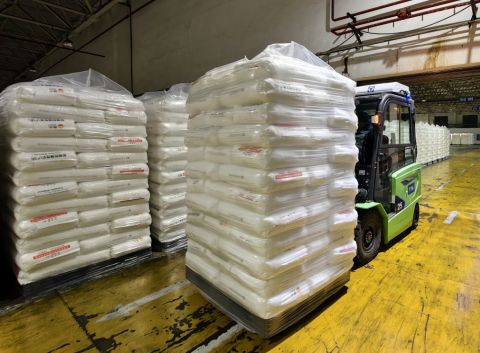
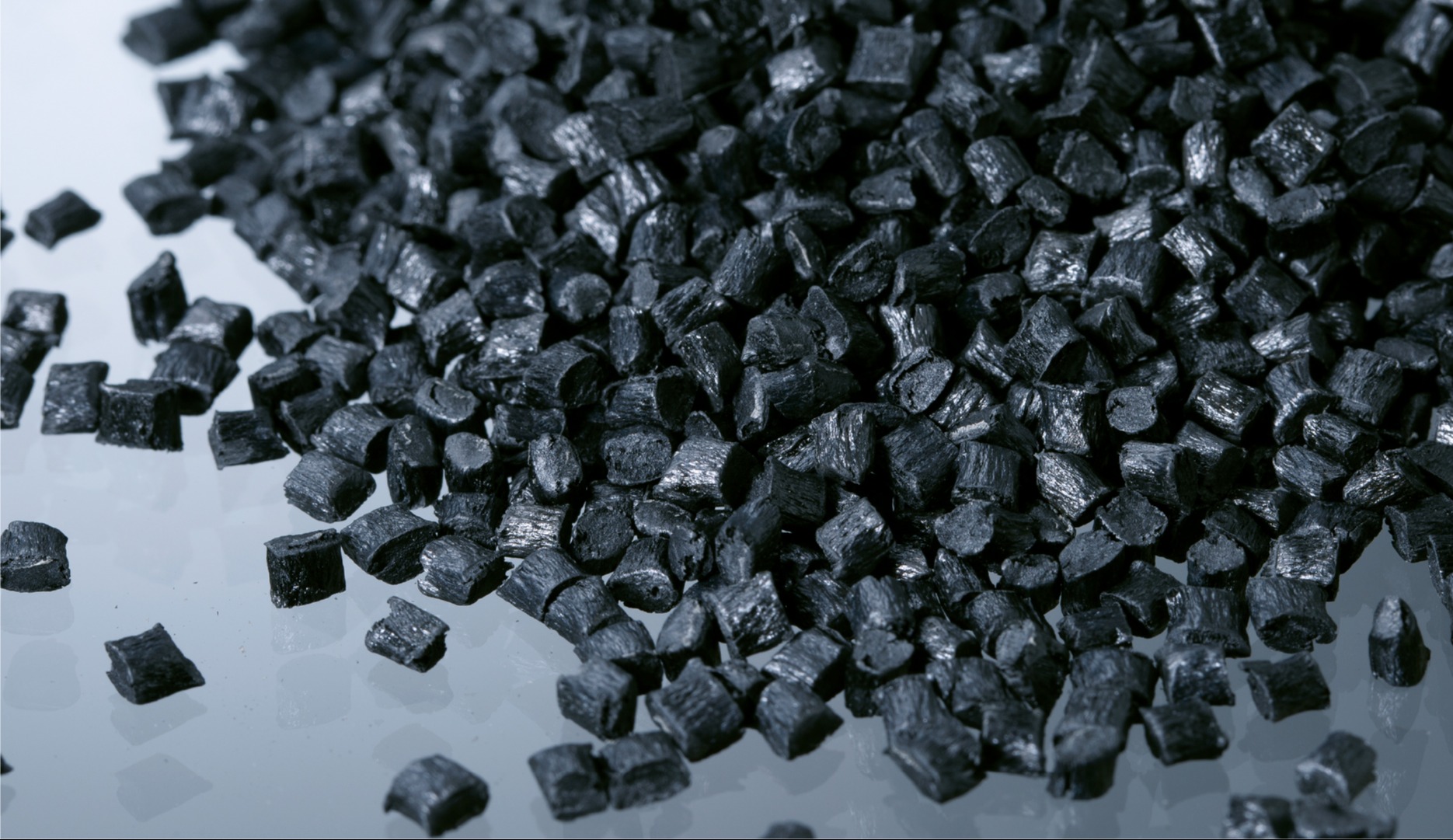
PetroChina has achieved large-scale production of high-purity POE. (Source: SunSirs)
Wanhua Chemical: High-end polymers and green materials
In August 2025, Wanhua Chemical achieved a major milestone in high-end optical materials by successfully commissioning its 50,000-ton-per-year optical-grade MS resin project on the first attempt, utilizing an independently developed continuous bulk polymerization process to establish a complete industrial chain technology platform for large-scale production of optical displays and household chemical packaging.
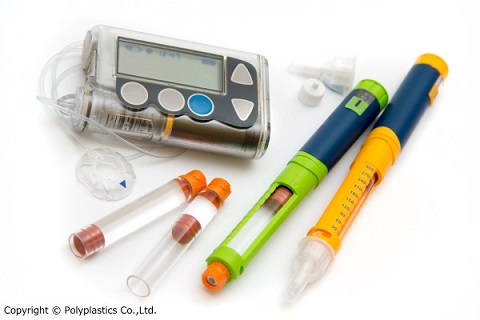
Meanwhile, the company has rolled out its Integrated Biomedical Materials Solution under the Wanhua Medical Platform, supplying biocompatible polymer portfolios like medical-grade Wanthane TPU for catheters and tubes, optical-clarity polycarbonate (PC) for syringes and dialyzers, and high-performance sulfone polymers (PSU/PPSU) capable of withstanding repeated high-temperature steam sterilization.
On the circular front, Wanhua Chemical leverages innovative mechanical recycling methods to recycle automotive and industrial PC into high-quality rPC materials, alongside producing a recyclable TPU with 30% recycled content that slashes carbon footprints by 20%.
Besides, Wanhua Chemical employs a novel thermal and catalytic cracking technique for PP/PE recycling to facilitate industrial-scale integration. It also successfully broke through in chemical recycling of PC, converting waste PC back into bisphenol A.
Furthermore, the company has aggressively entered the new energy supply chain by expanding into lithium iron phosphate cathodes and graphite anodes, positioning itself as a major international player in the ESS and EV sectors.
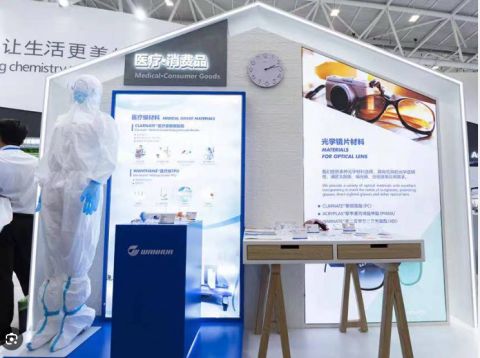
Wanhua Chemical offers a wide range of functional materials for medical and optical applications.
Rongsheng Petrochemical: Strategic synergy and partnership
Rongsheng Petrochemical has entered a major strategic development phase by signing a Project Development Agreement with SABIC for the Jintang New Materials Project, with SABIC evaluating a potential 30% to 50% equity stake in Rongsheng New Materials ahead of a final investment decision.
This landmark collaboration merges Rongsheng’s vast integrated industrial footprint, which features a total chemical production capacity exceeding 60 million tons, with SABIC’s world-class technical expertise in polycarbonates and engineering thermoplastics to produce high-performance resins, biodegradable plastics, specialty polyesters, and premium functional fibers.
By integrating SABIC’s proprietary technology and global commercial network, Rongsheng is extending its industrial chain to supply advanced chemical materials that precisely meet the growing demand from high-growth downstream sectors like new energy, electrical and electronics, and high-end packaging.
Hengli Petrochemical: Proprietary R&D and import substitution
Hengli Petrochemical has extended its strategic focus to high-performance materials by establishing a dedicated R&D framework supported by a multi-billion RMB investment to bridge the gap between academic research and industrial production.
A cornerstone of this strategy is the Hengli-DUT Research Institute, launched through a high-level strategic partnership with the Dalian University of Technology, which acts as a commercial engine to transition laboratory breakthroughs directly into large-scale production pipelines for chemical engineering, advanced materials, and green manufacturing.
A prime example of Hengli's advanced material innovation is its success in filling critical gaps within the high-end domestic market. The company successfully mass-produced its 23050 high-density polyethylene (HDPE) pipe-grade resin, achieving top-tier PE100 certification to replace imported polyolefin resins in high-pressure, long-distance pipeline systems, thereby ensuring localized supply security for critical domestic infrastructure.
Alongside this breakthrough, Hengli's innovation pipeline has also enabled the mass production of ultra-fine chemical fibers, cementing its position as a self-reliant powerhouse in polymer and chemical manufacturing technologies.
Jiangsu Eastern Shenghong: Autonomy in PV film materials
Jiangsu Eastern Shenghong has accelerated its research into technologies to upgrade the supply chain for strategic emerging industries, including focusing on advanced materials like POE and high-grade ethylene-vinyl acetate (EVA)—critical components for photovoltaic (PV) encapsulation films.
By achieving complete independence in POE catalysts and production techniques, the company is the sole domestic enterprise capable of manufacturing both mainstream PV film encapsulation materials, a capability solidified by the launch of its 100,000 tons/year POE project in August 2025 and its nationally top-ranked, 13-patent PETG device.
Eastern Shenghong also utilizes a specialized EC/DMC device to produce electronic-grade materials for the new energy sector.
In tandem with high-end production, Eastern Shenghong leverages green technology via a “whole-process carbon reduction” strategy, utilizing nuclear power steam at three national-level green factories to cut carbon emissions by 966,000 tonnes annually, while operating a carbon-negative industrial chain that converts CO2 into methanol.
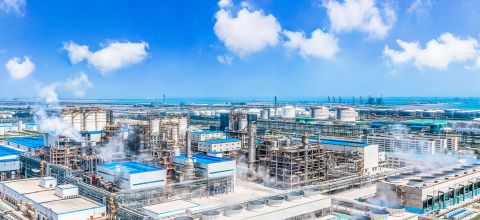
Eastern Shenghong is primarily engaged in the industries of petrochemical, new chemical materials, polyester, and chemical fibers.
Tongkun and Xinfengming: Vertical integration outside China
Tongkun Group and Xinfengming Group, via their PT Taikun Petrochemical joint venture with Tsingshan Group, have entered into a National Strategic Project in North Kalimantan, Indonesia, to process 10 million metric tons of crude oil annually at the Kalimantan Industrial Park Indonesia (KIPI).
This project strengthens local energy security and supplies polyolefins to the broader ASEAN region, while enabling the Chinese partners to successfully establish vertical integration outside of China’s domestic carbon caps.
The integrated complex will export 2 million metric tons of Paraxylene (PX) annually back to China, effectively shielding Tongkun and Xinfengming from feedstock volatility and regional trade bottlenecks, thereby isolating the world's largest synthetic textile manufacturing base from supply shocks and stabilizing global polyester supply chains.
Unlocking high-end solutions for global buyers
The global chemical industry remains at a critical juncture as it continues to navigate unprecedented macroeconomic headwinds and geopolitical uncertainties.
The top Chinese chemical firms’ proactive responses underscore a deliberate and accelerated strategic shift toward high-value, sustainable, and technologically advanced material solutions.
By aggressively embracing the circular economy, funding cutting-edge R&D infrastructure, and forging key global joint ventures, these firms are insulating themselves from market downturn while securing long-term leadership in the shifting global material market.
For global buyers, this comprehensive transformation ultimately unlocks broader product options, providing a steady supply of high-end material grades and sophisticated application solutions across the entire international manufacturing value chain.
Click HERE for more details about C&EN's Global Top 50 chemical firms for 2026.