












Mitsubishi Chemical commercializes new negative thermal expansion filler for semiconductor packaging

Mitsubishi Chemical Corporation has decided to commercialize a new negative thermal expansion filler developed for semiconductor packaging materials.
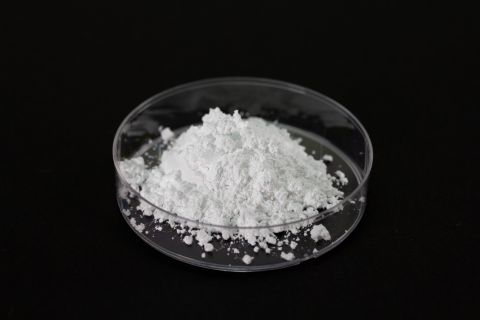
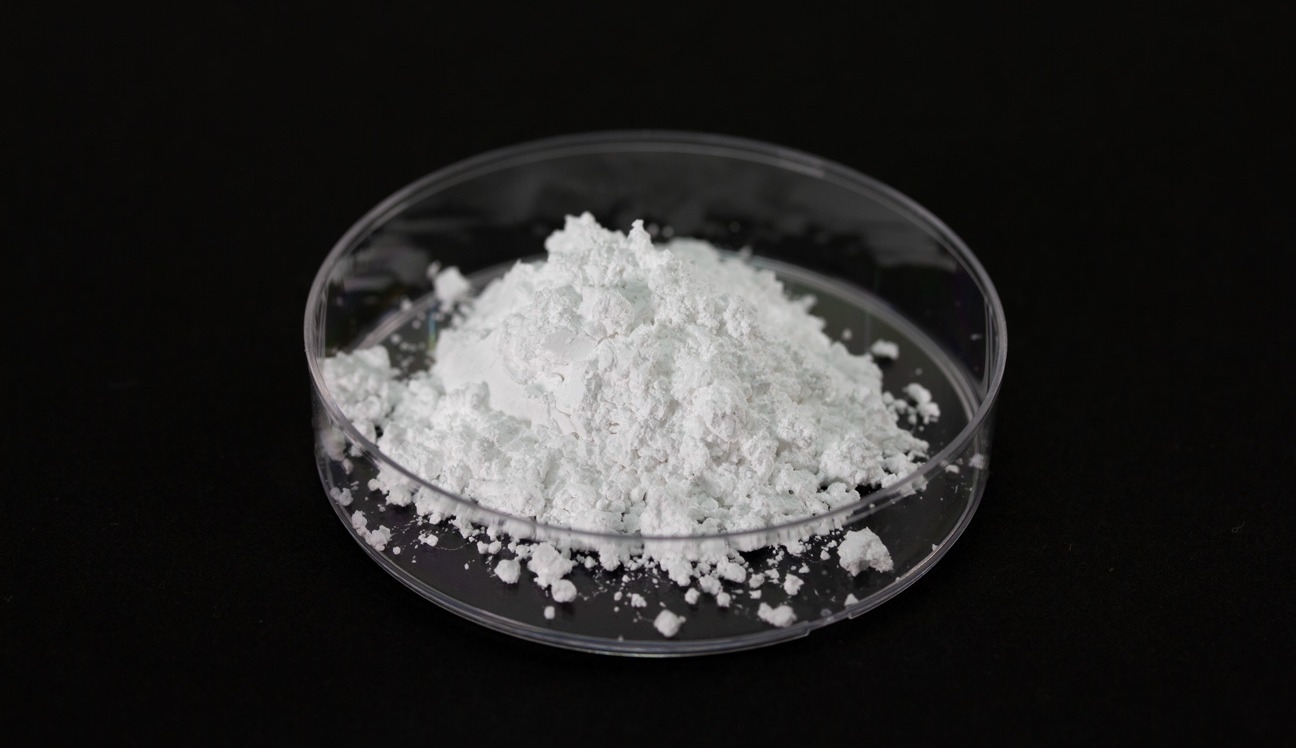
Powder form of the negative thermal expansion filler.
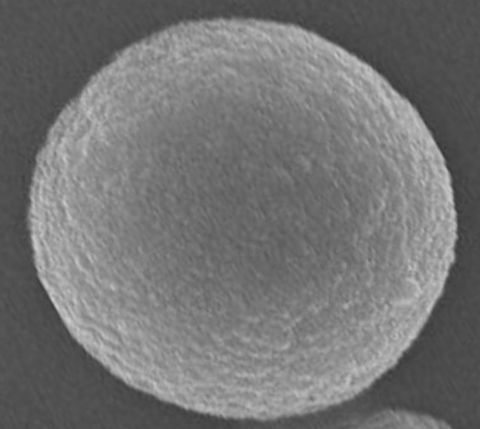
Particles (in electron microscope image) of the negative thermal expansion filler.
The newly commercialized negative thermal expansion filler will be marketed under the brand name "M-Filleris NTE". Mitsubishi Chemical will begin selling pilot products by the end of 2026, proceed with customer evaluations and certifications, and launch sales of mass produced products in the second half of 2027.
Main features of negative thermal expansion filler
The new negative thermal expansion filler was developed using the inorganic material design technology that Mitsubishi Chemical has cultivated over many years.
It overcomes problems found in conventional negative thermal expansion materials—such as narrow operating temperature range, non-spherical shape, high specific gravity, and high water absorption—thus enabling its application in semiconductor packaging.
Its main features include:
• Significantly reduces thermal expansion when compounded in epoxy resins, etc.
• Negative thermal expansion characteristics over a wide temperature range from room temperature to 400°C
• Excellent fluidity and dispersibility due to its spherical shape
• Low alpha particle emission through impurity control (reduction of soft errors)
• Specific gravity and low water absorption comparable to general semiconductor fillers (silica fillers)
Typical applications include semiconductor encapsulants, underfill materials, build-up film materials, and more.
Next: Expanding applications and more functional fillers
By leveraging synergies with Mitsubishi Chemical’s existing epoxy resin business, the company plans to offer masterbatches mixed with epoxy resin, which will also help shorten customers' material design and development timelines.
Going forward, Mitsubishi Chemical plans to add other functional fillers with performance features such as heat dissipation and electrical properties to the lineup as the "M-Filleris" series.