















ReBioCycle demonstrates closed-loop recycling of PLA from mixed plastic waste

ReBioCycle, an EU-funded project, has demonstrated closed-loop recycling of PLA bioplastics from mixed plastic waste returning to virgin-quality material, marking a significant step towards circular packaging in Europe.
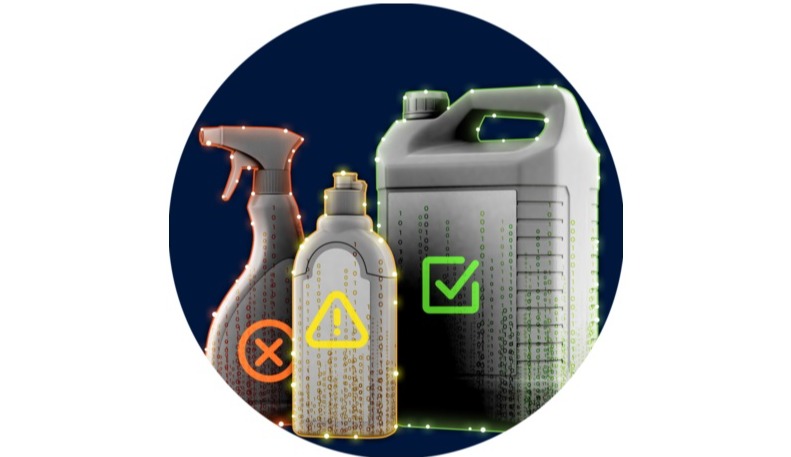
The consortium confirmed that PLA can be effectively sorted from mixed plastic waste streams using existing technologies, before being chemically broken down into lactic acid and rebuilt into high-quality PLA with properties equivalent to virgin material.
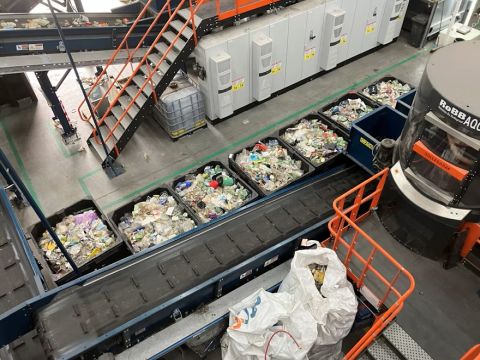
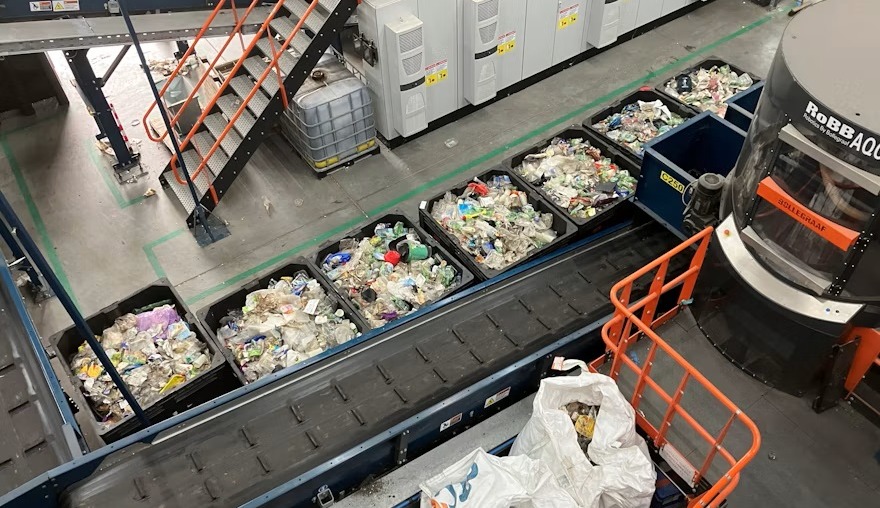
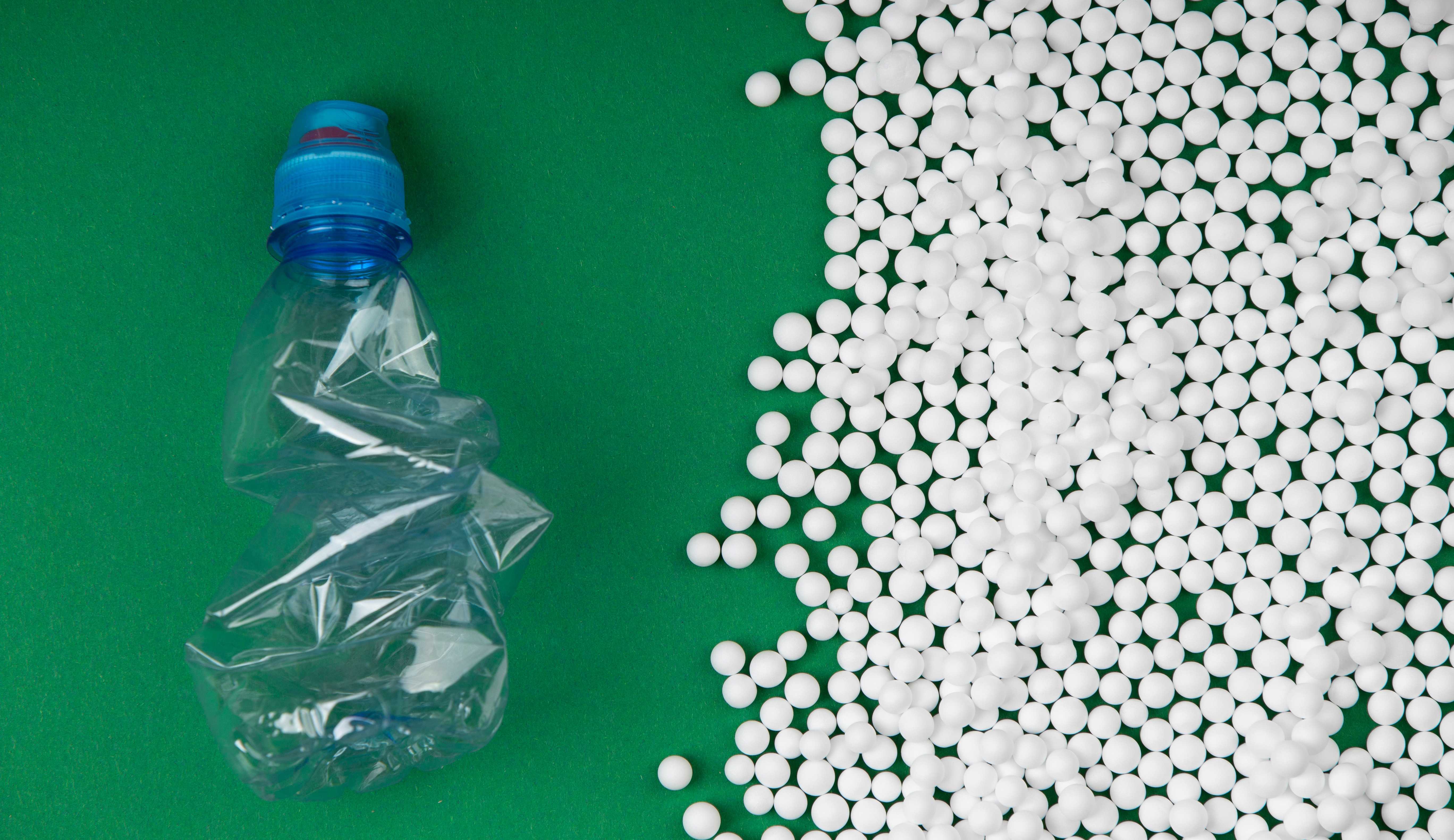
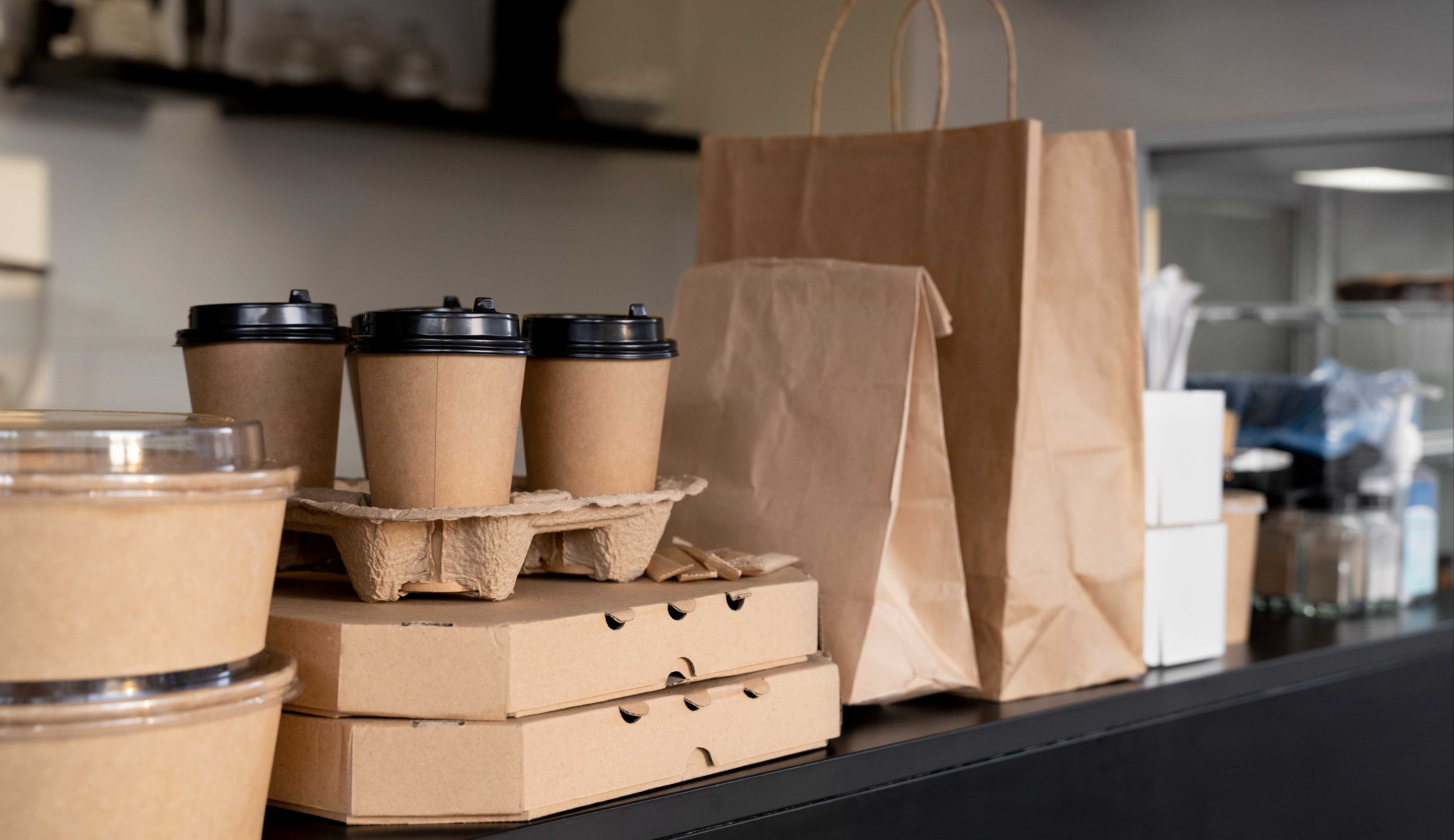
Diverse plastic waste input materials that are ready for sorting.
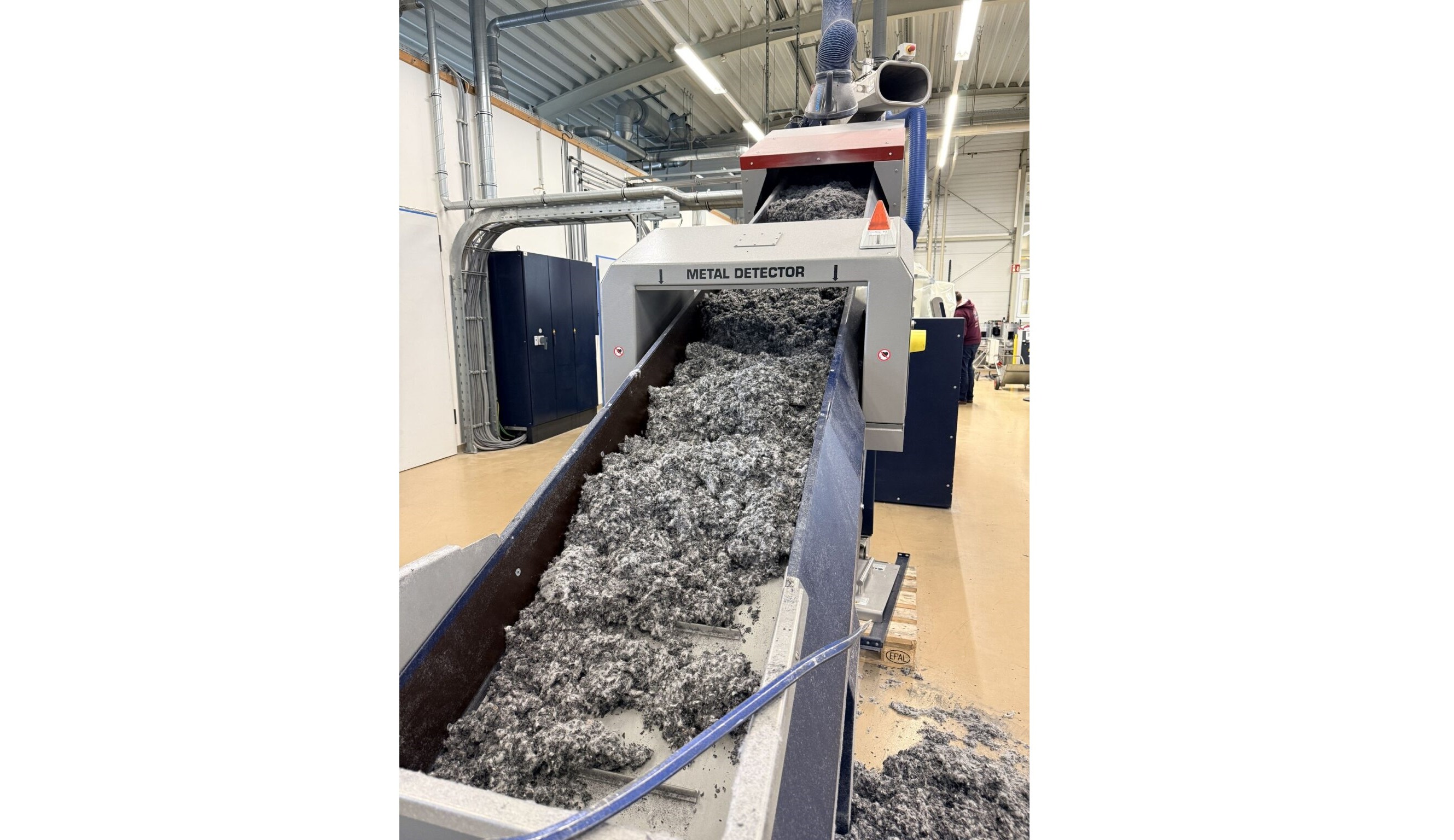
The sorting process was carried out at pilot scale in an operational environment, showing that recycling of PLA is technically viable beyond the laboratory. This provides a practical pathway for integrating bioplastics into existing waste streams and recycling systems.
Working with industrial partners including Torwash and TotalEnergies Corbion, the project confirmed that PLA can first be effectively sorted using existing technologies, achieving purity levels suitable for further processing.
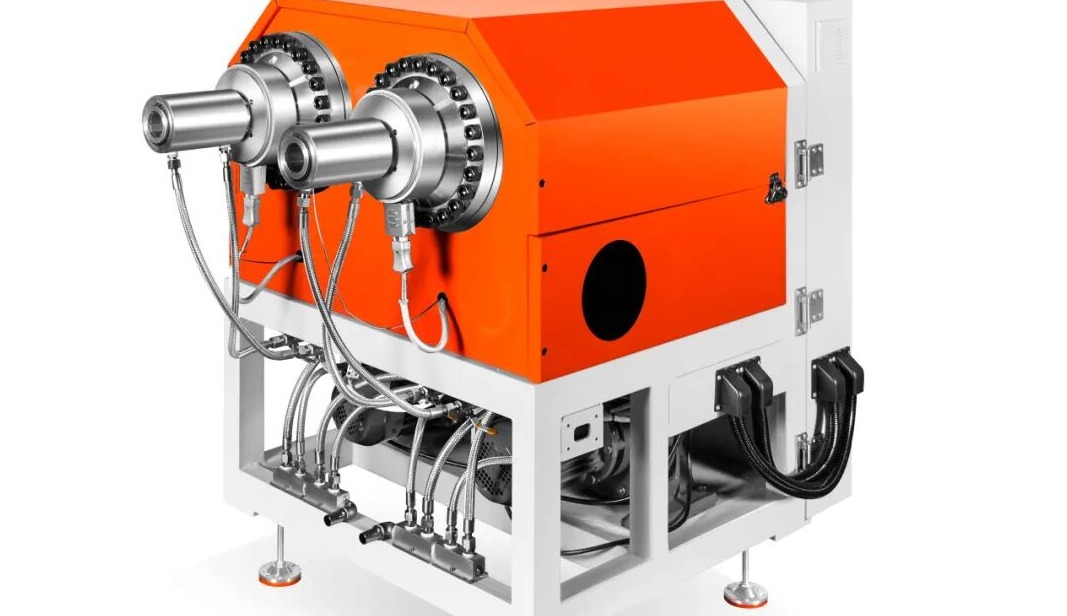
The recovered material was then successfully broken down into its core building block, lactic acid, using Torwash’s hydrolysis technology. In the final step, TotalEnergies Corbion demonstrated that this recovered lactic acid can be repolymerized into recycled PLA with properties equivalent to virgin material.
“This is about making circularity real for industry. We’ve connected the full value chain in a way that supports both regulatory compliance and the transition away from fossil-based to bio-based materials,” said project coordinator Kevin O’Connor.
These achievements highlight that high-quality recycling of PLA from mixed waste is not a future ambition but a working reality. The project effectively closes the loop, using real waste streams and industrially relevant processes to produce new bioplastic of high quality.
Bioplastic recycling works in PPWR
As pressure mounts on the packaging sector to transition to more sustainable solutions, the project’s results provide timely evidence that bio-based plastics can play a central role in a circular economy.
The technologies developed can be integrated into existing infrastructure, lowering barriers to adoption while supporting broader European ambitions under the Green Deal and Bioeconomy Strategy.
“Demonstrating that recycling PLA from mixed waste collection to new high-quality PLA material is a reality, is a major step in fulfilling the ambitions of the PPWR in terms of packaging recyclability” said Maelenn Ravard, Regulatory and Sustainability manager at TotalEnergies Corbion.
Looking ahead, the consortium will focus on turning this technical success into market reality by developing and validating new applications using recycled PLA, while continuing to scale the process toward full industrial deployment.