











Mentholatum on cosmetic packaging: Beyond safety, what's next?

Pharmaceutical packaging prioritizes safety and stability, whereas cosmetic packaging must balance aesthetics, user experience, and brand identity. Mentholatum, a company leveraging over a century of pharmaceutical expertise as it expands into the cosmetics market, strives to bridge all of these.
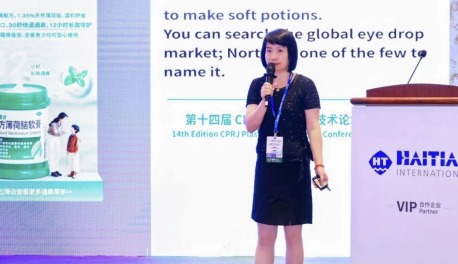
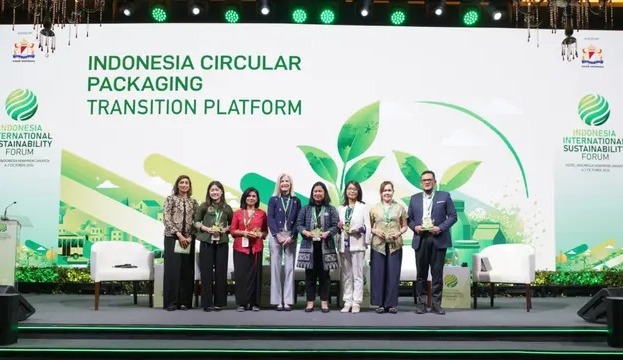
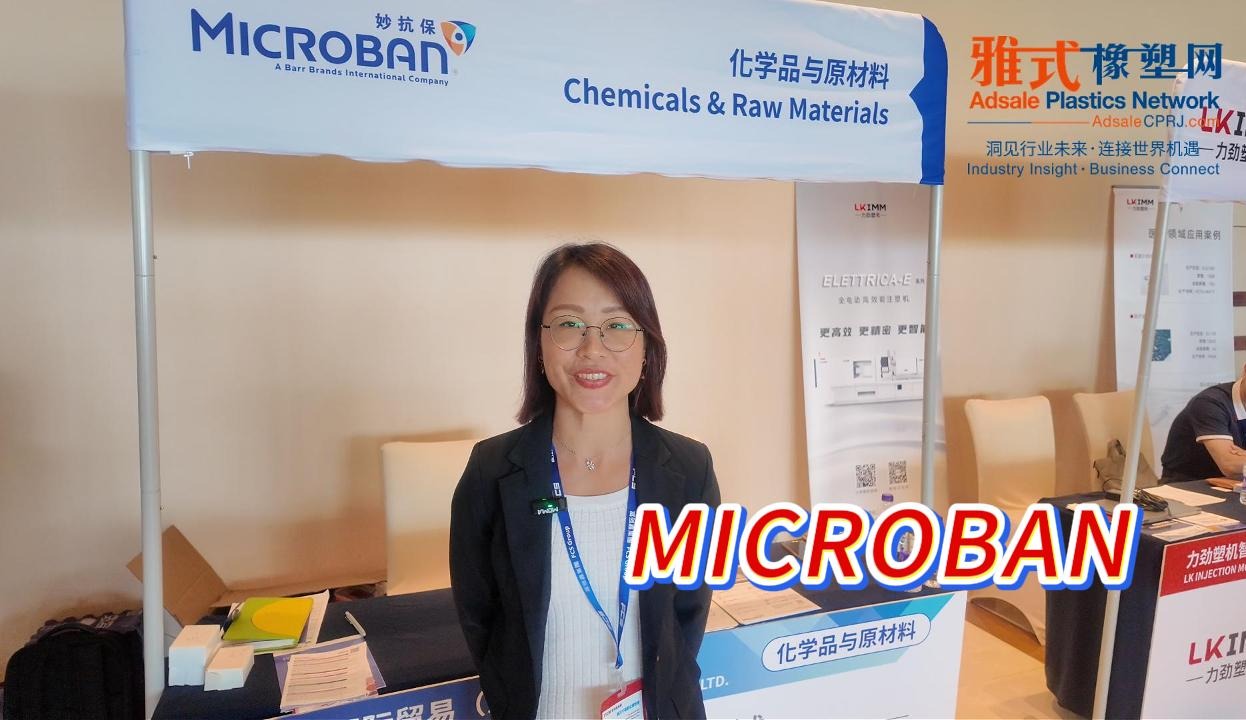
At the 14th CPRJ Plastics in Packaging Conference and Showcase, Xueying Jin, Senior Director of R&D at Mentholatum (China) Pharmaceutical Co., Ltd., shared the company’s strategy for packaging innovation and development.
Safety remains the core principle
Mentholatum started up with pharmaceutical products such as eye drops and menthol ointments and gradually steps into skincare, lip care, hair care, and other cosmetics categories. As its product portfolio grows, its packaging formats diversify from traditional bottles and jars to composite films, cartons, and sprays.
Despite expanding product lines and evolving packaging landscape, safety remains the fundamental priority of Mentholatum’s packaging development.
Jin noted that Mentholatum consistently applies pharmaceutical principles to its cosmetic R&D, manufacturing, and supplier management. The company enforces strict standards for raw materials and packaging containers through a comprehensive system that governs both primary and secondary packaging.
When evaluating pharmaceutical packaging, safety risks are always taken care of before aesthetic and marketing considerations are addressed. Moving from pharmaceuticals into cosmetics does not mean abandoning these established principles. Instead, Mentholatum continues to adapt to new cosmetic market demands while keeping safety and stability as its main focus.
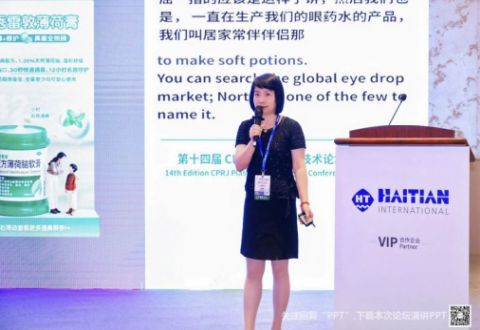
Xueying Jin, Senior Director of R&D at Mentholatum (China) Pharmaceutical Co., Ltd. shared the company’s strategy for packaging innovation and development.
Evolving beyond safety to meet diverse needs
In addition to safety and stability, cosmetic packaging must satisfy consumer expectations for aesthetics and user experience. Jin noted that Mentholatum manages over a dozen cosmetic brands, with renewing approximately half of their packaging designs each year.
Packaging does more than just protecting the product; must also incorporate aesthetic design, emotional engagement, and ease of use. It is no longer a simple container, but a crucial touchpoint for consumer interaction and brand experience—a shift that extends far beyond appearance.
Furthermore, as cosmetic formulas become increasingly multifunctional, active ingredients have become more sensitive, it takes precise adjustments to packaging materials. Jin emphasized that selection of packaging materials must be meticulously matched to the product formulation.
This presents a critical challenge for packaging development: ensuring true compatibility between the container material, the packaging design, and the formulation contents. Some time, even a high-performance material fails to be a viable solution if it is chemically or physically incompatible with the product inside.
Looking beyond materials to enhance consumer experience
Ensuring compatibility between the formulation and the packaging guarantees that the product remains safe and stable. For the cosmetics market, however, that is only the baseline.
Once consumers begin interacting directly with the packaging, the packaging itself takes on a broader role. Jin highlighted that Mentholatum closely integrates color trends, the behaviors of younger consumers, and intellectual property (IP) collaborations into its packaging development.
A product's visual appearance, ease of use, and emotional connection with consumers are all vital components of the overall brand experience.
For packaging manufacturers, they will not only look into material performance but also other aspects as mentioned above. Success of a cosmetic product launch now relies on designing packaging that seamlessly fits into the consumer's real-world, day-to-day usage scenarios.
Sustainability challenge: A life-cycle approach
Beyond safety, stability, and user experience, sustainability has become an essential consideration in modern packaging development. Mentholatum has already begun incorporating marine-friendly and post-consumer recycled (PCR) materials into several of its product lines.
However, Jin emphasizes that material selection is only one piece of the puzzle. Sustainability cannot be evaluated based on the material alone; it must be assessed through the lens of a product’s entire life cycle. Beyond choosing eco-friendly materials, companies must analyze how the packaging performs from production all the way to disposal.
Ultimately, packaging development has evolved into a complex balancing strategy that requires simultaneously protecting the formulation, delivering a premium user experience, ensuring material compatibility, and meeting long-term sustainability goals.
Power of integration
Leveraging its deep pharmaceutical expertise, Mentholatum is responding to the diverse needs of the cosmetics market.
Rather than simply changing its foundational packaging principles, the company is drawing on its extensive experience in safety management to build comprehensive capabilities that seamlessly integrate product protection, formula compatibility, and consumer experience.
As consumer demands diversify, the packaging experience and emotional connection have become critical brand differentiators. For brands, success hinges on perfectly aligning materials, structural design, formulation, and real-world usage scenarios.
As Jin summarized, from a risk-management perspective, safety is non-negotiable. Formulation stability is the next imperative, followed by aesthetic appeal. Only by holistically integrating these factors can a company fulfill its corporate responsibilities while driving impactful marketing outcomes.