











Live demo at Fakuma: Stackable planters with PCR material by WITTMANN machine

At Fakuma 2026, WITTMANN Group will demonstrate how sustainability can be combined with economic efficiency by producing stackable planters live at its booth.
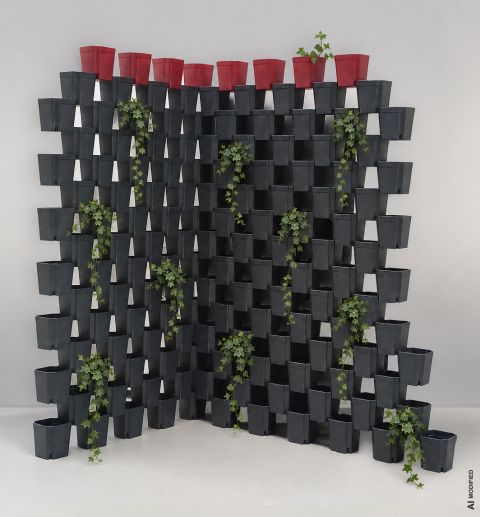
WITTMANN will produce planters live at Fakuma 2026.
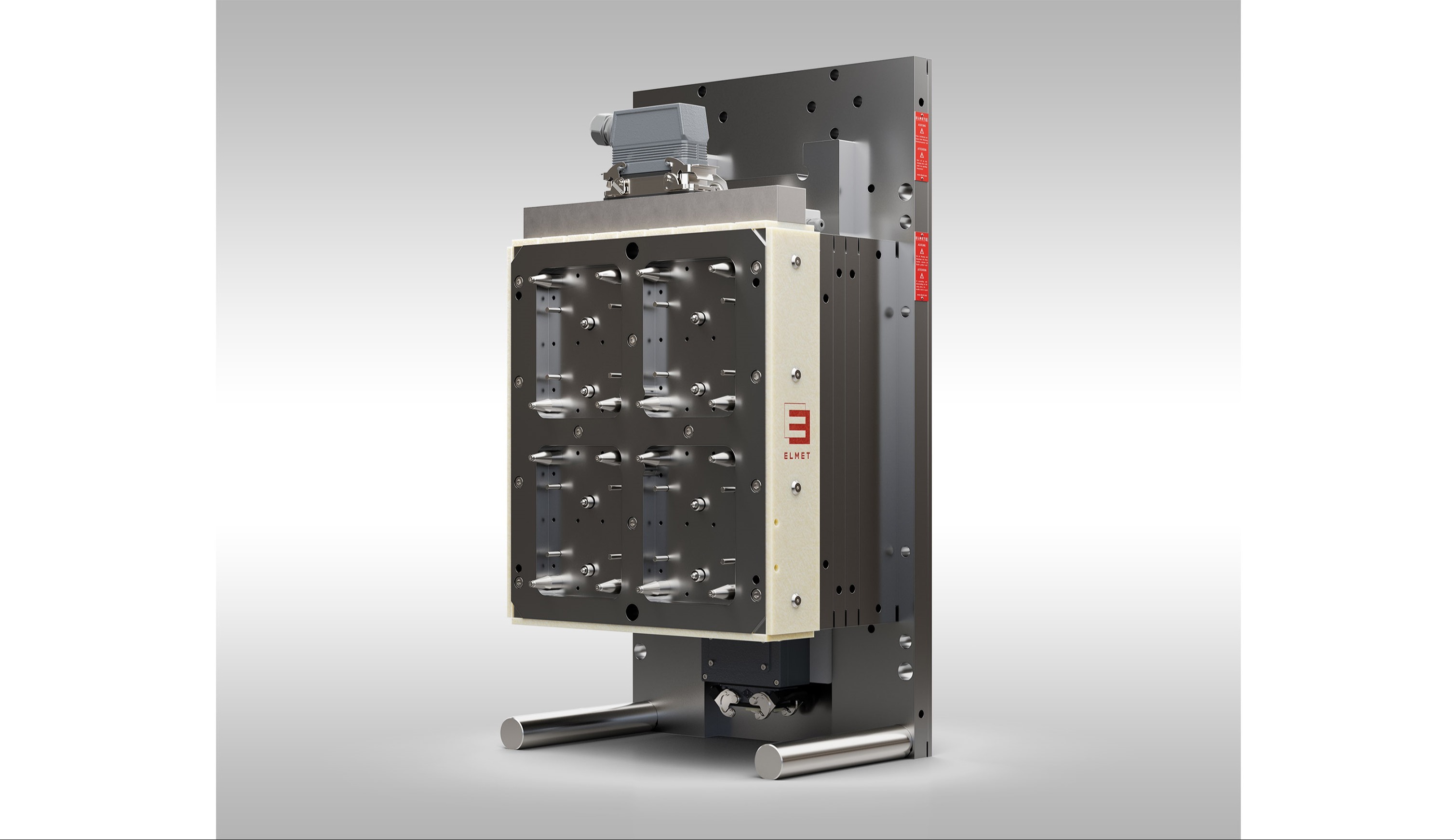
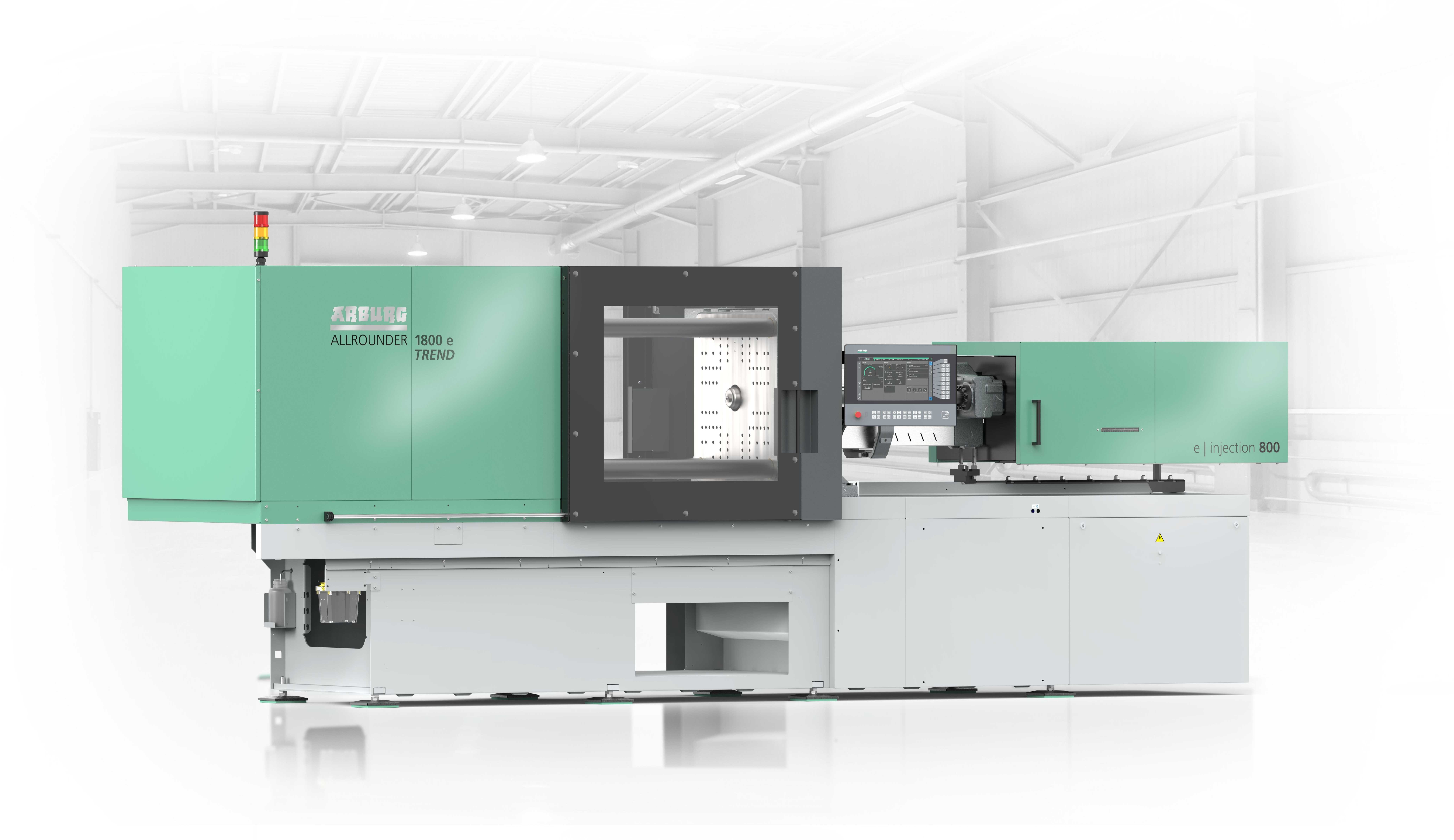
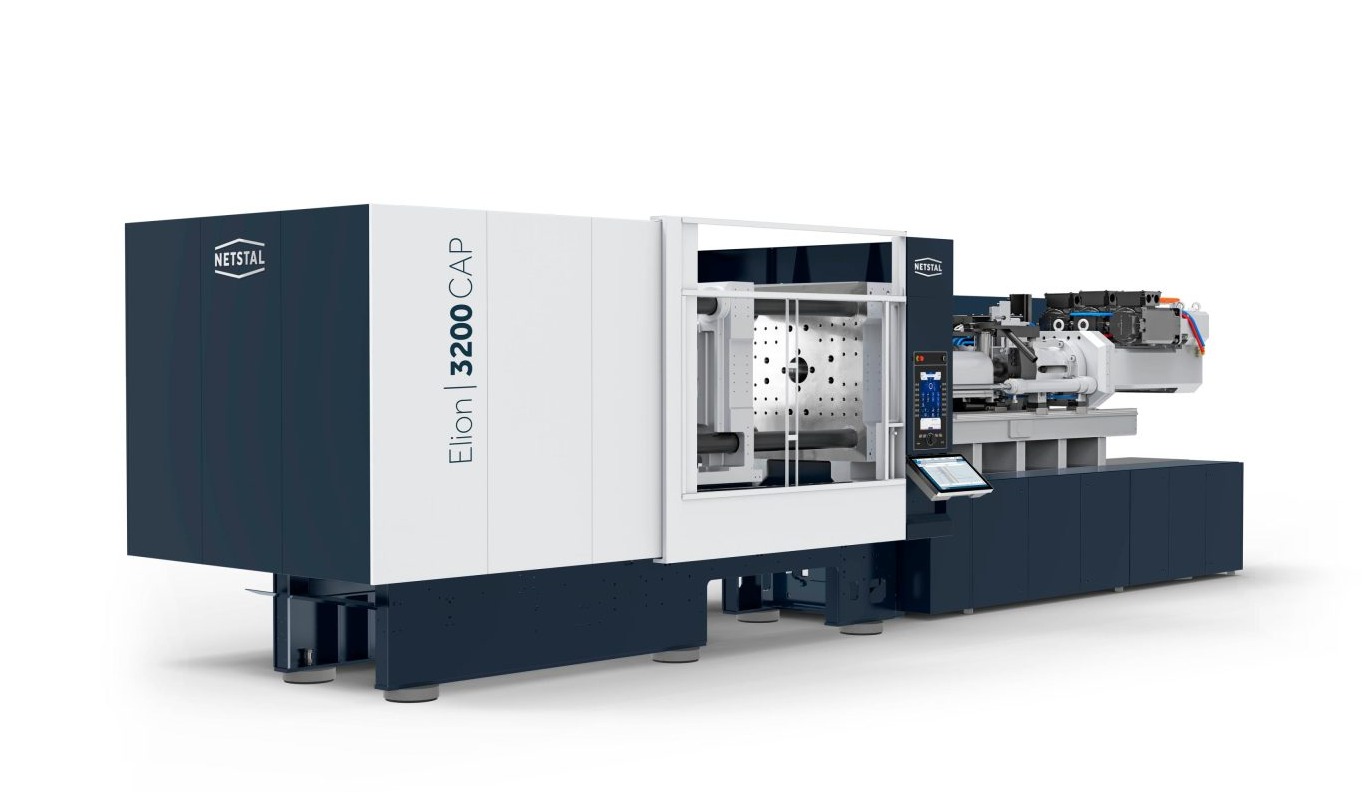
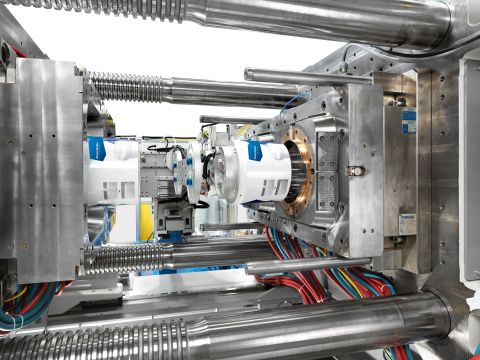
The SmartPower injection molding machine with 300 tons clamping force will operate with a mold supplied by Schicktanz and with Cellmould foam injection technology. The material processed will be a recycled polypropylene from Borouge, derived from post-consumer waste collections.
Safe PCR processing in foam injection molding
By extensive test series, WITTMANN was able to demonstrate that recycled plastic materials can be processed with Cellmould just as efficiently and stably as virgin material. The production of the planters at Fakuma 2026 proves the high precision and dimensional stability in processing recycled PP.
The patented Cellmould 3-zone screw is produced in-house for all applications. It is suitable for a wide range of plastic materials and yields reproducible parts quality even with polymers which are hard to homogenize. The individual zones of the screw can be exchanged independently, which makes maintenance work easier and less costly.
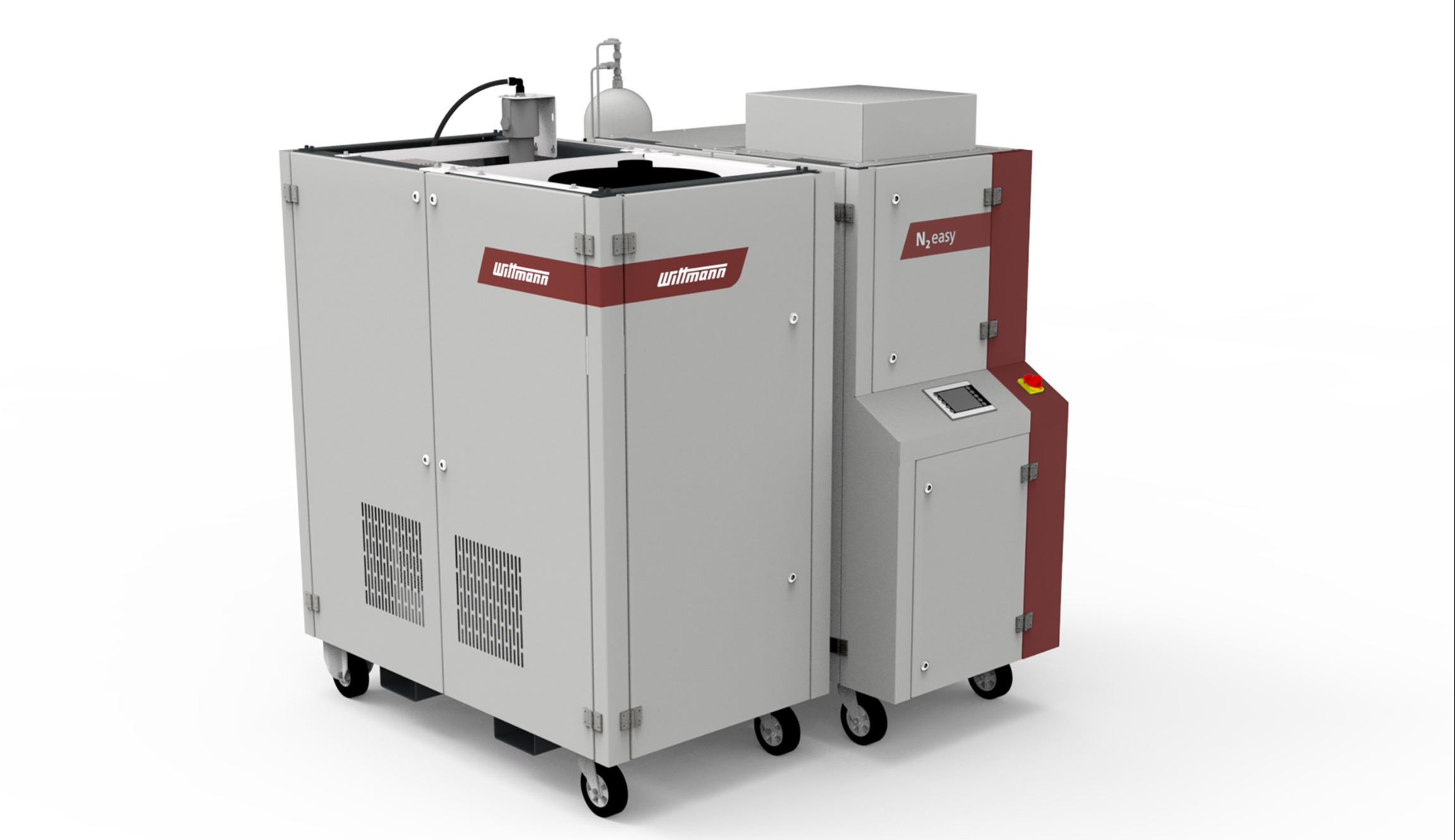
A further contribution to reducing CO2 emissions comes from N2easy. The nitrogen generators developed and manufactured in-house by WITTMANN draw the nitrogen from the ambient air and can deliver this gas simultaneously as needed to several consumers. N2easy already pays off from a daily nitrogen consumption of just one gas bottle. In this way, the WITTMANN device replaces the costly N2 logistics via road transport.
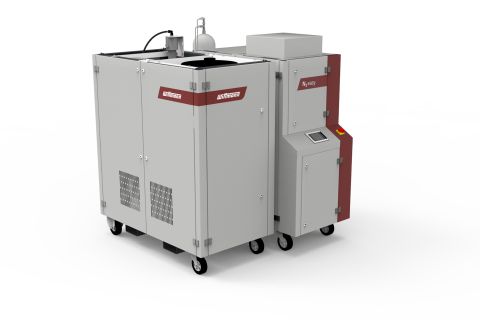
WITTMANN’s N2easy.
Inline thermography confirms consistent quality
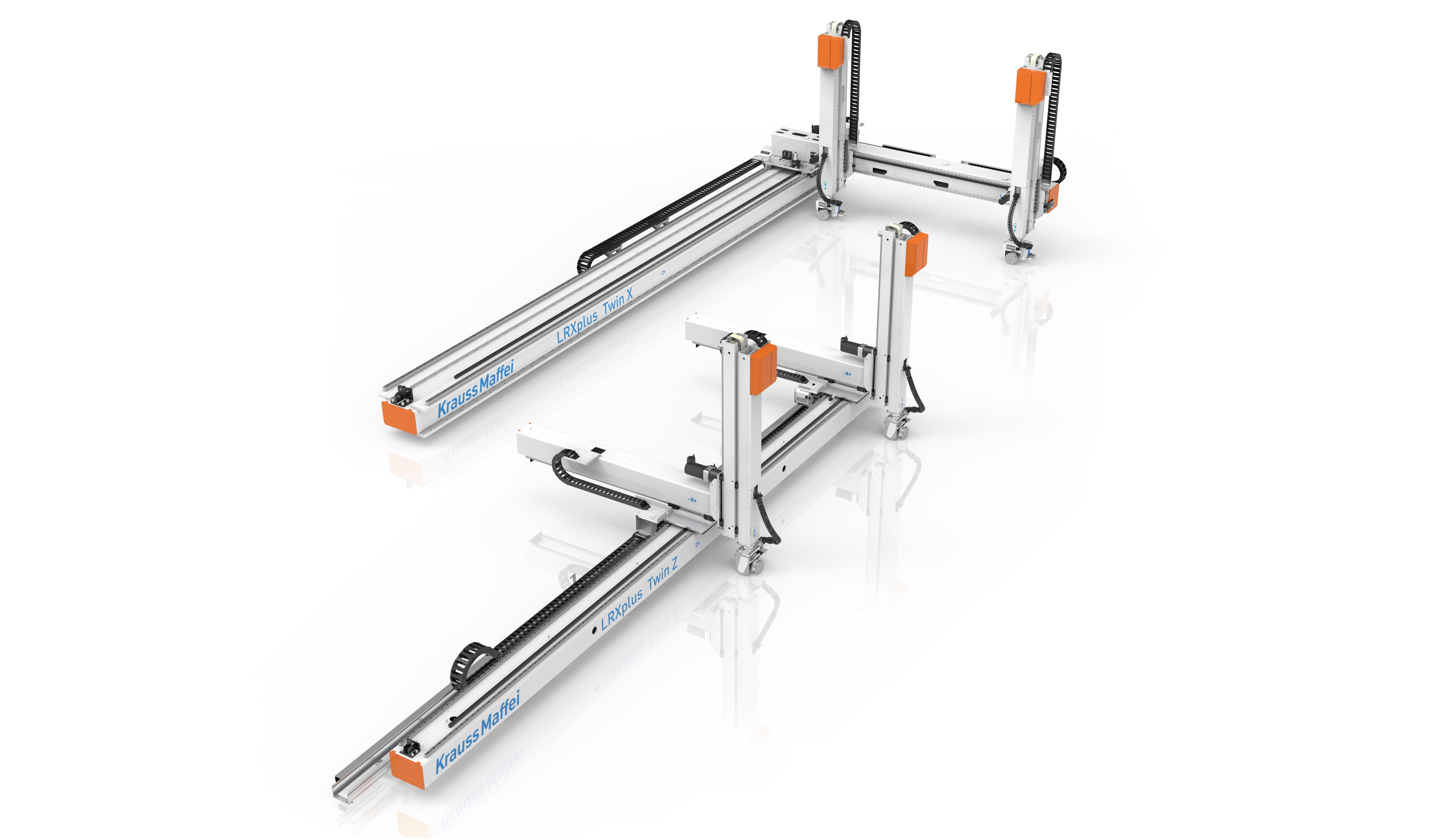
The planters will be demolded by a WX142 linear robot from WITTMANN, then passed on to a fully automatic 100% quality inspection station, from where the good parts will be deposited on the conveyor belt.
The quality check will be carried out by in-line thermography, which transforms the infrared radiation of the parts into thermal images.
The software compares every picture taken with the stored reference image. Any parts deviating from the target specifications are sorted out via a quality switch. The thermal image reveals the condition of the surface homogeneity and of the internal structures. On this basis, the quality of the foaming process can be judged.
Small footprint
In the FlexCell primus configuration, the robot, conveyor belt, and protective enclosure form a single, integrated unit. Inside the FlexCell, all automation components have their fixed place and are safely enclosed. The cells have a modular design and are extendable.
Since these cells dock on directly to the injection molding machine and allow production while the machine guard door is open, the automation unit can be positioned very close to the mold and thus reduce the space requirements for the entire work cell.
The Flex Cell automation cells are available in three different versions. At Fakuma 2026, WITTMANN will present the Primus model – the protective housing is mounted above the conveyor belt and requires no separate floor space. Together with the conveyor belt, it can be very easily pushed to one side, thus enabling free access to the mold space at any time.