










BASF plans Evonik takeover: Key implications for the plastics industry

On September 25, BASF confirmed exploratory talks with RAG-Stiftung and Evonik Industries AG (Evonik) regarding a potential takeover of Evonik.
According to the latest report from Reuters on September 28, Evonik has rejected a €10.3 billion bid from BASF as the bid was too low. As the largest shareholder, holding 44% of Evonik, RAG-Stiftung will be the key for this deal to be succeed or not.
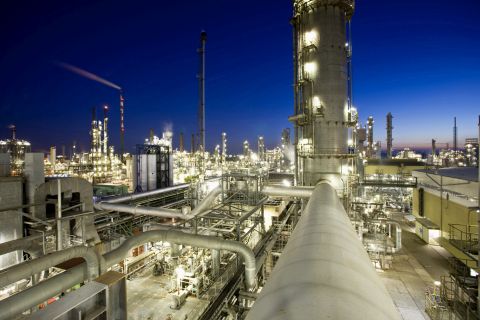
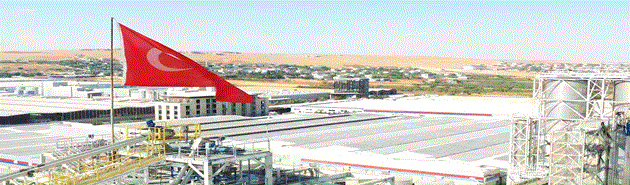
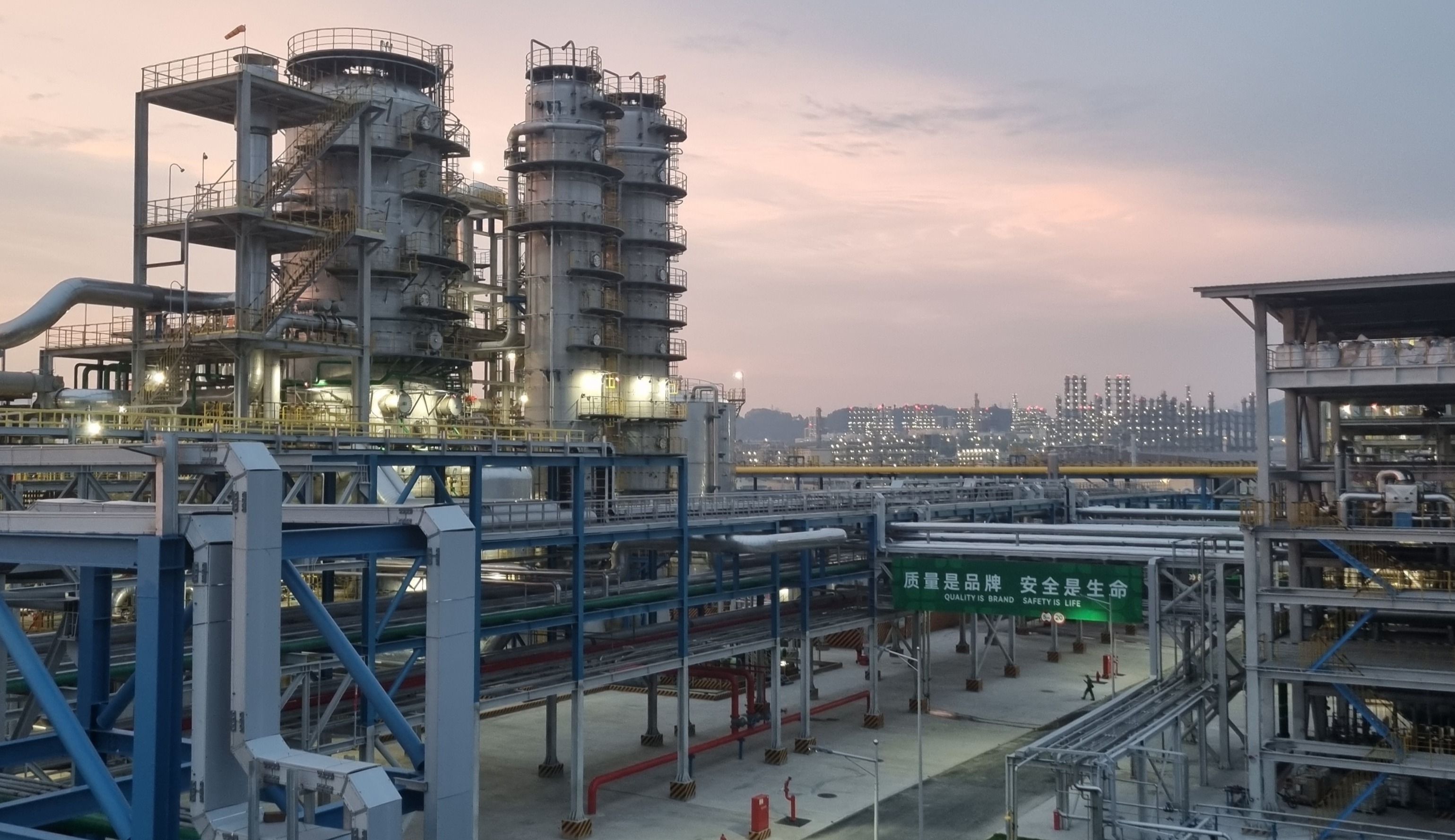
BASF’s facility in Ludwigshafen, Germany.

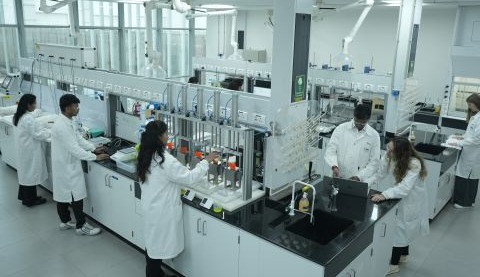
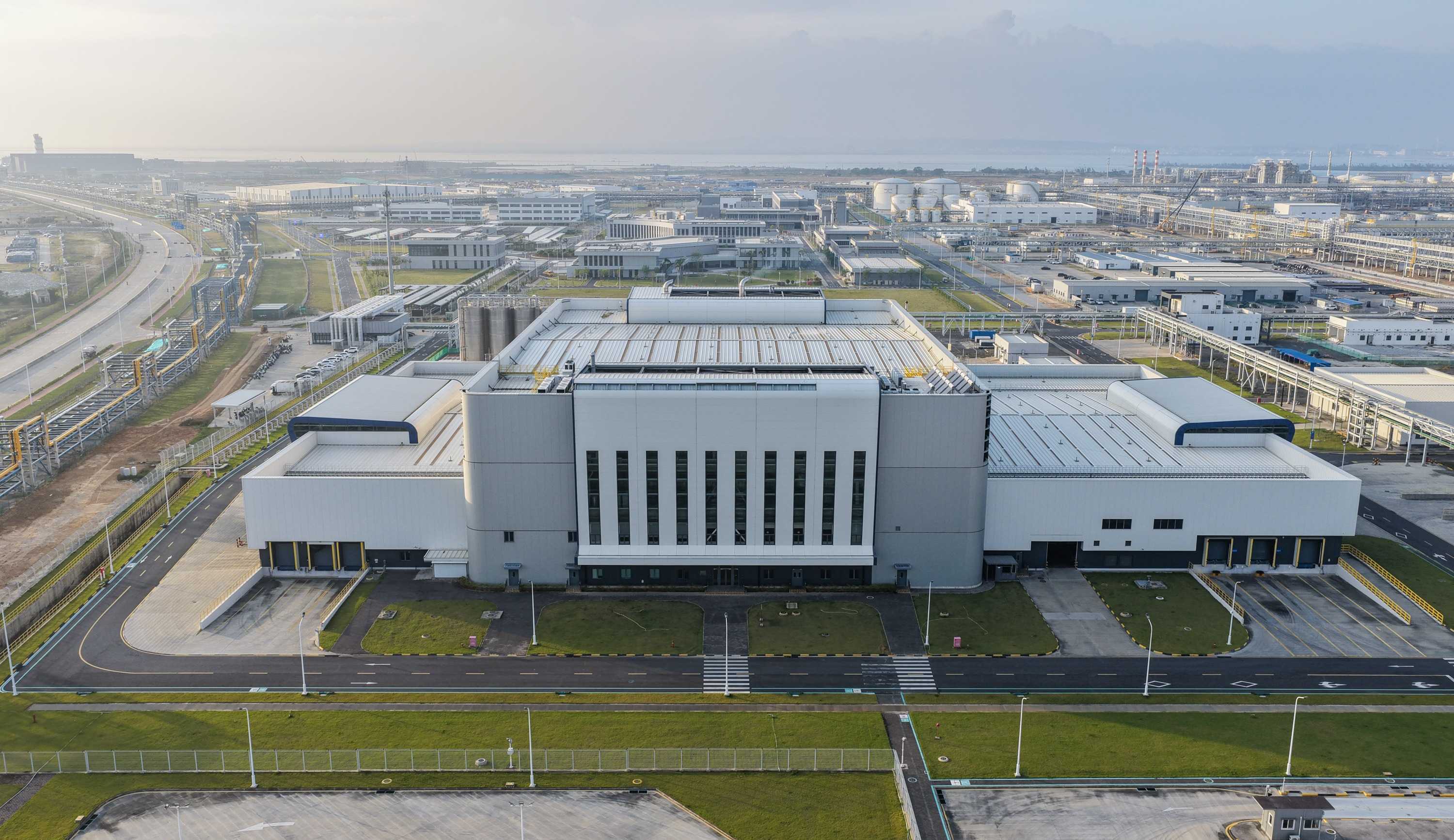
Evonik Industries AG.
What makes this huge integration in European chemical industry?
This potential deal happens under the accumulated pressure and restructuring of European chemical industry.
In recent years, European chemical companies are facing pressure including high energy and production cost, weakened demand, over capacity, and strong global competition.
According to C&EN, affected by the high production cost, low import cost, and weakened regional demand, both BASF and Evonik have responded with cost reduction and trimming their portfolios.
Based on its “Winning Ways” strategy, BASF raises its profitability through selling non-core assets, reducing cost, and optimizing business portfolio in recent years. In July 2026, BASF subsequently sold its automotive coating business to the Carlyle Group with approximately EUR 7.7 billion. It is also planning to spin off its agricultural chemical unit next year.
While for Evonik, on September 22, it announced its new growth strategy – “Evonik Tailor Made” will enter its second implementation phase in 2027. Run until 2029, the program will further reduce cost and reconstruct Evonik’s businesses, including divestments of large business including Oxeno and Syneqt, as well as cut 3,200 jobs worldwide.
Reuters reported that through selling businesses and closing small facilities, Evonik is relocating its focus in core business.
From these, it is observed that the deal between BASF and Evonik is not merely a business decision, but a representation of how European chemical companies react when facing industry changes, restructure business, and relocate resources.
Why does BASF consider Evonik?
From business structure point of view, BASF and Evonik is not simply in homogenous competition.
C&EN pointed out that the two companies do not have many business overlaps and can compensate each other in areas like plastic additives, specialty chemicals, and polymers. For example, Evonik owns specialty materials including PA12 and PEEK of which BASF’s engineered plastic business can contribute to.
Evonik currently operates in more than 100 countries. Its product portfolio covers specialty additives, polymers, and specialty chemicals, which can be applied to automotive, aerospace, coatings, foam material, pet nutrition, and more markets. ICIS stated that this potential takeover will strengthen BASF’s position in specialty chemical area.
However, this deal brings out a concern.
BASF has been selling its surrounding assets, reducing cost and simplifying business portfolio in recent years in order to focus on core business. How BASF adjusts with the previous moves after taking over Evonik, a large-scale chemical company? This is worth an attention.
For sharing, this is exactly what I wonder: Analyst from Berenberg pointed out that there is a contrast between BASF’s wish to takeover Evonik and its previous moves to focus on large, integrated production facility and trim business portfolio.
Therefore, if the deal moves forward in the future, the market will not only concern on the deal itself, but how BASF will integrate its business after the takeover.
What this means to plastic industry chain?
The deal is not yet set and its effect to the industry is undetermined. But for the plastic industry chain, this provides a few insights.
1. Capacity and supply layout
If the two companies finalize the business integration, they will have to readjust production base, capacity, and regional supply mode. Downstream plastic companies have to pay close attention to changes in production location and supply strategy of related products.
2. Products and technology
Some products and chemical business from BASF and Evonik compensate each other. If the deal is completed, production line, R&D resources, market positioning will be restructured. For engineering plastics and specialty materials users, future changes in product portfolio are worth concerning.
3. Global competitive strategy of European suppliers
If more European chemical companies choose to enhance competitiveness through integration, selling assets, and capacity optimization, global supply layout will be adjusted.
What to concern in next stage?
Currently, BASF and Evonik are still in exploratory contact stage and more progress has to be made to achieve the real deal.
In the next stage, the industry can pay attention to the following: whether BASF will officially offer a takeover price, stance of RAG-Stiftung and other shareholders, business integration plan of BASF and Evonik, and regulatory review.