


















Closing performance gap: Envalior introduces new halogen-free flame-retardant PBT

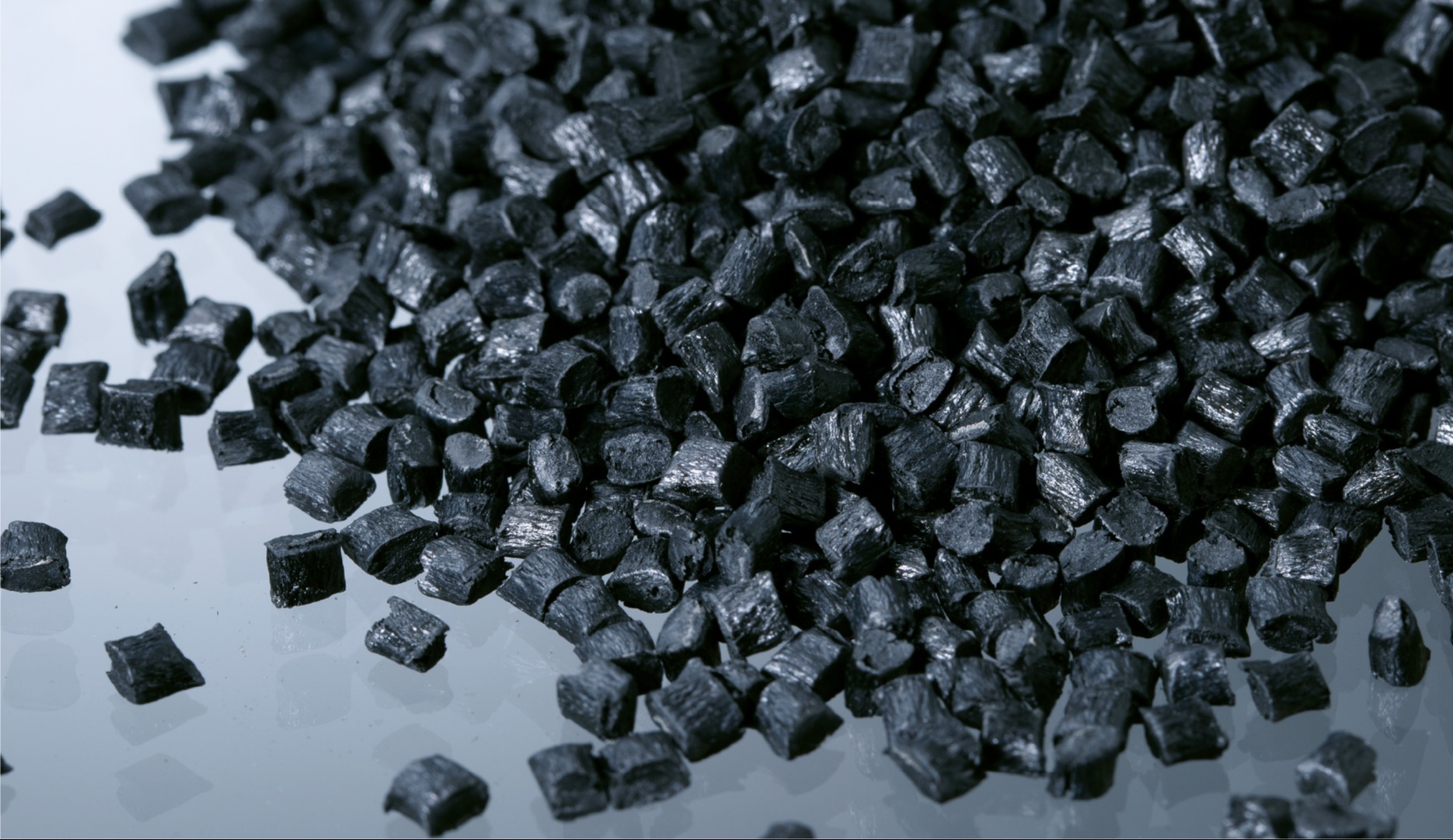
Envalior has introduced a breakthrough in halogen-free flame-retardant polybutylene terephthalate (PBT). As the first grade in a new product family, Pocan BFN4135 delivers mechanical properties comparable with conventional PBT compounds containing halogenated flame-retardant systems.
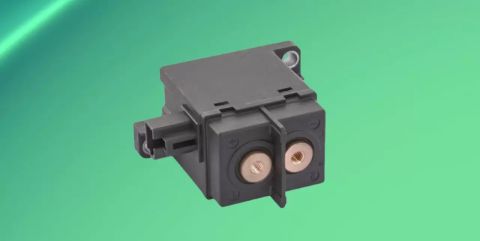
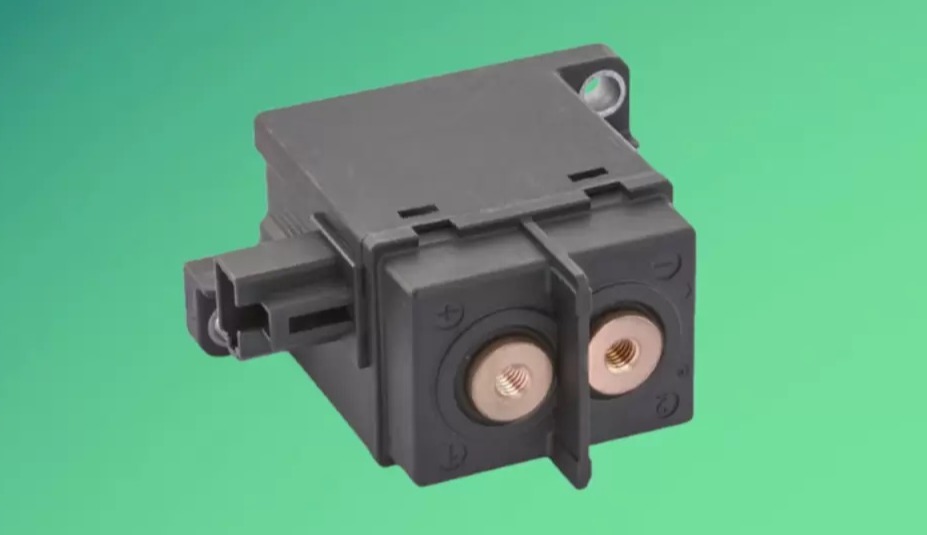
DC contactors are among the potential applications of Pocan BFN4135.
Until now, the lower mechanical performance of halogen-free flame-retardant PBT has limited its use in demanding applications requiring high strength and elongation at break. With Pocan BFN4135, this performance gap has been closed. Potential applications include connectors, connector housings, and bobbins.
Optimized for direct material replacement
The new PBT compound offers an outstanding combination of tensile modulus, tensile strength, Charpy impact strength, elongation at break, and shrinkage behavior. For example, its elongation at break reaches 2.4% (ISO 527-1/-2), which helps reduce susceptibility to stress cracking in finished components.
The material has been specifically engineered to allow processors to replace conventional halogenated flame-retardant PBT grades containing 30% glass fiber, for example, without significant adjustments to injection molding parameters.
Shrinkage behavior remains virtually identical, enabling manufacturers to continue using existing tooling, reducing conversion costs and minimizing changeover times.
Excellent flame retardancy and high electrical safety
The compound combines outstanding fire performance with excellent electrical properties. In testing equivalent to the UL 94 flammability standard from Underwriters Laboratories (UL), it achieves the highest classification of V-0 at a wall thickness of 0.75 mm. This enables designers to develop thin-walled component geometries without compromising safety.
With a CTI A (Comparative Tracking Index, IEC 60112) of 450, the PBT compound offers significantly higher tracking resistance than comparable halogenated flame-retardant grades.
In addition, material variants currently under development are set to achieve the maximum CTI A value of 600. These high CTI A values make the new material family particularly well suited for high-voltage DC applications, including fast-charging infrastructure and AI data centers.
Reduced scrap rates and lower maintenance costs
Excellent processing performance is another key advantage of the new PBT compound. In hot-runner injection molding systems, for example, the material exhibits minimal viscosity fluctuations, enabling highly stable manufacturing conditions.
This results in lower scrap rates, reduced tool maintenance requirements, and fewer production interruptions. As a result, processors benefit from lower operating costs, higher productivity, and improved manufacturing efficiency.