
















Recycling of plastics packaging in Canada continues to increase, says CPIA

According to the Canadian Plastics Industry Association (CPIA), the amount of post-consumer plastic packaging being recycled across Canada has increased for the third year in a row.
CPIA's "2012 Post Consumer Plastics Recycling in Canada Report" stated that an additional 10% of plastic packaging was recycled in 2012 compared to 2011. In total, over 285 million kg of post-consumer plastic packaging was collected for recycling in Canada.
The report is done by Moore Recycling Associates Inc, with the results derived from an extensive survey of companies that handle recycled plastics in North America. These companies are made up of manufacturers, re-claimers, exporters, brokers and Material Recovery Facilities (MRF).
"We are pleased to see an overall increase in companies participating in this valuable survey and in the amount of plastic packaging collected and recycled in Canada. The survey results found that 285 million kg were recycled and of that, 83% stayed here in North America. We continue to work with our members to build and grow our national recycling industry in Canada, re-using valuable plastic materials and creating jobs," says Carol Hochu, President and CEO of the CPIA.
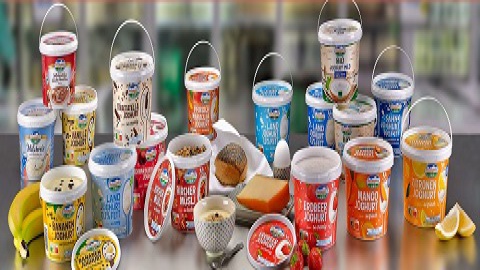
Plastic packaging collected for recycling includes plastic bottles, non-bottle rigid plastics such as deli and dairy containers, bakery, vegetable, fruit containers, and plastic film, bags and outer wrap. These valuable resources are reused to make, for example, fleece jackets, new plastic bottles, pipe, pallets, crates and buckets, decking and other lawn and garden products.
The plastic recycled quantities reported for 2012 by Moore and Associates Inc. compared to 2011 represent an increase of 3% for bottles (for a total of 174.7 million kg), an increase of 29% for non-bottle rigids (for a total of 35.6 million kg), an increase of 18% for plastic bags and outer wrap (for a total of almost 44 million kg) and an increase of 24% for polystyrene foam (for a total of 926,000 kg).
The survey notes that Canadian recyclers of plastics want more supply; they have underutilized capacity creating ample opportunity for consumers and businesses to supply recyclers with more plastics. It is estimated that the film and bag recycling capacity in Canada increased from 38% to 49% utilization of the capacity and non-bottle rigid recycling capacity went from 47% to 60% capacity utilization.
There is plenty of room to increase plastics recycling, said CPIA. "We are seeing a greater interest and increase in recycling access to collect and recycle plastics of all types across Canada. We are committed to our efforts to work with governments, industry and consumers to increase recycling participation," comments Cathy Cirko, Vice President of CPIA.