
















Honeywell and Repsol collaborate on renewable fuel production

Honeywell and Repsol collaborate to create new production ways for biofuels and circular materials, by integrating the methods into Repsol’s existing facilities.

Honeywell’s UpCycle Process Technology will be integrated into Repsol’s existing facilities.
The companies plan to scale and commercialize Honeywell’s technologies, which use various wastes such as fats, oils, greases, biomass and solids for chemical production and renewable fuels at Repsol’s refineries.
Their goal is to produce different biofuels, including sustainable aviation fuel (SAF) and renewable diesel, with use of existing refinery equipment.
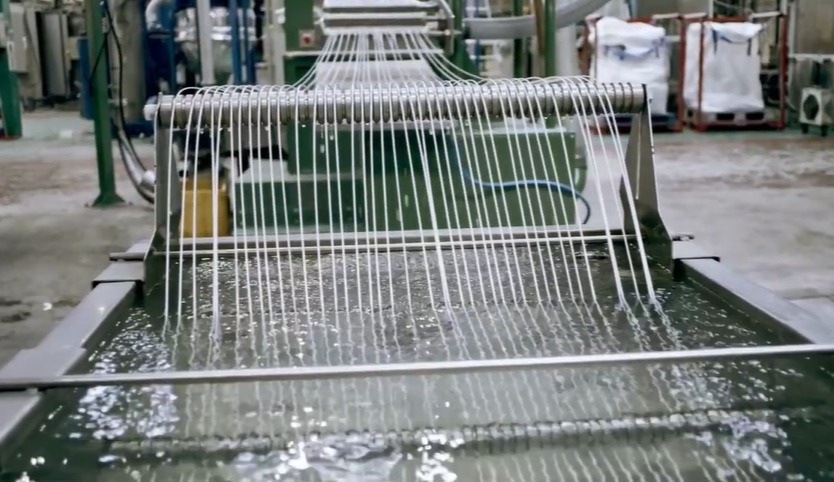
Repsol is also analyzing the deployment of Honeywell’s UpCycle Process Technology, which turns waste plastic into Honeywell Recycled Polymer Feedstock for new plastics. The technology can recycle diverse plastics like colored, flexible, multilayered packaging and polystyrene.
Honeywell's UpCycle Process Technology has the potential to help create the capability to recycle nearly 90% of waste plastics, when used with other chemical and mechanical recycling processes.
Honeywell and Repsol had a history of successful cooperation in various areas. In 2023, Repsol selected Honeywell’s Ecofining technology to make renewable fuels from used cooking oil and waste animal fat at its plant in Puertollano, Spain. This technology was developed and commercialized jointly by Honeywell in collaboration with ENI S.p.A.