










Avantium develops recycling solution for polycotton textile waste

In collaboration with the Industrial Sustainable Chemistry group at the University of Amsterdam, Avantium has developed an important solution for recycling polycotton waste textiles. This innovative recycling method was published in Nature Communications.
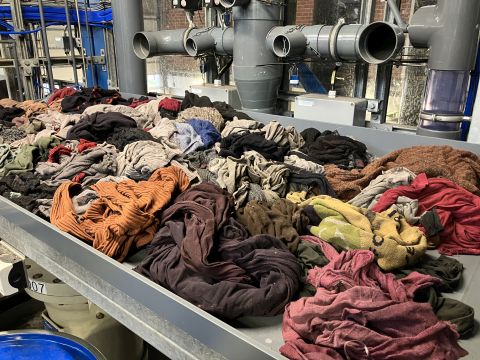
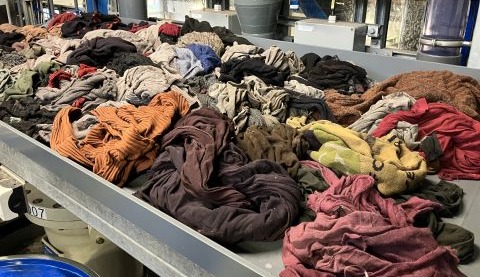
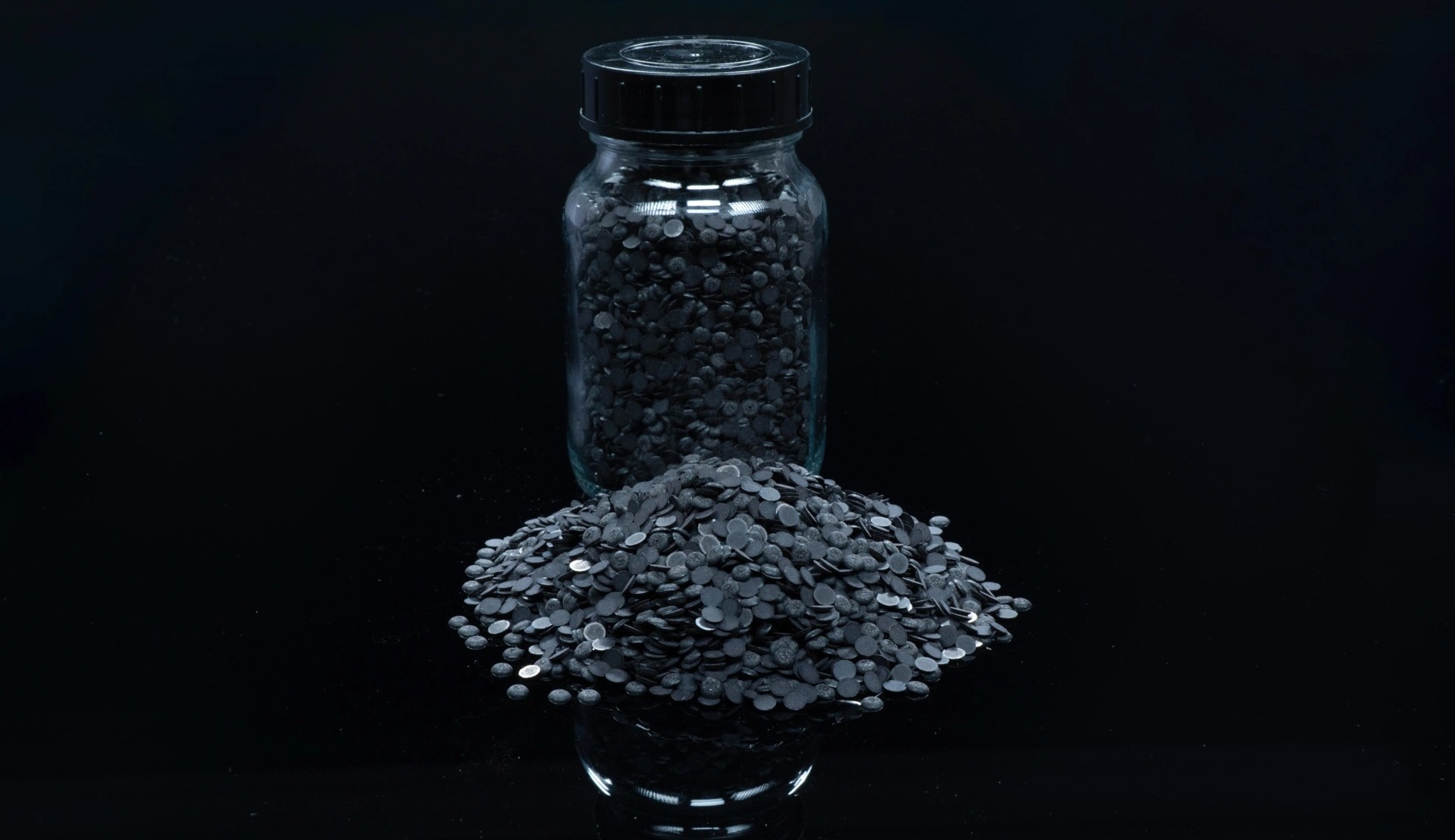
Post-consumer polycotton after hydrolysis.
The solution is a patented technology – Dawn Technology – converts non-food plant-based feedstock into glucose and lignin using hydrochloric acid. This method leaves the polyester intact, allowing polyester to be fully recycled and facilitating fiber-to-fiber recycling.
By using highly concentrated HCl on polycotton waste, the cotton cellulose was fully hydrolyzed into glucose, which can be easily separated from the solid polyester residue. The resulting glucose can be used in chemical and fermentation processes for diverse products such as monomers for bio-based plastics.
After several successful trials in laboratories, the recycling technology was applied in a pilot plant in Delfzijl, the Netherlands to test the viability of breaking down and recycling post-consumer polycotton waste textiles at a larger scale.
The trials at Avantium’s Dawn pilot plant have shown high glucose yields from polycotton waste, indicating scalability and cost-effectiveness. This method is therefore the first viable process to effectively recycle both polyester and cotton fractions in high yields.
Avantium supported this groundbreaking project by hosting PhD students from the Industrial Sustainable Chemistry research group of the University of Amsterdam in its laboratories and its Dawn pilot plant in Delfzijl.