













ENTEX: We are still at the beginning of the circular economy in many areas

In this interview, Sebastian Rust, Managing Director at ENTEX, discussed the recycling and circular economy in tires and the plastics and rubber industries.
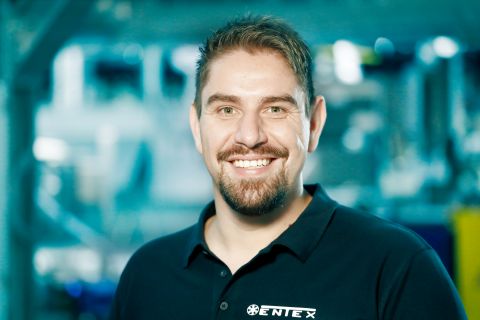
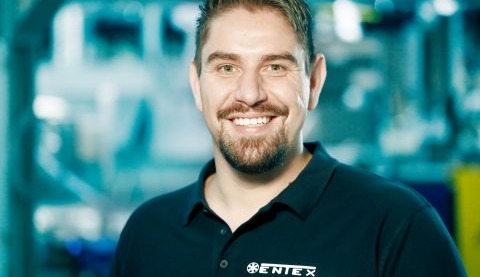
Sebastian Rust, Managing Director at ENTEX.
Mr. Rust, what are the advantages of the planetary roller extruder for recycling plastics?
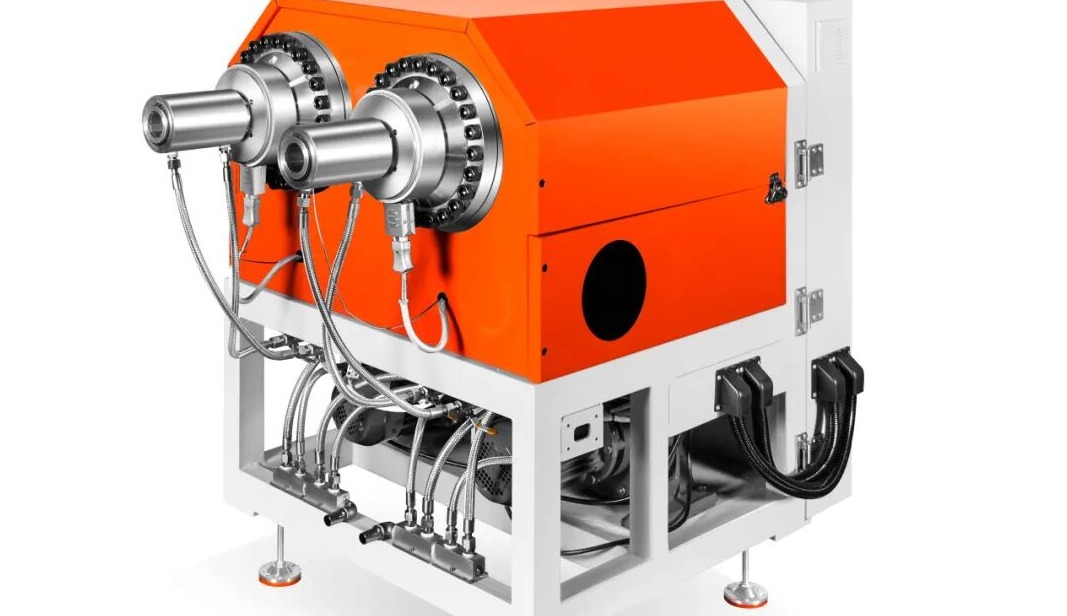
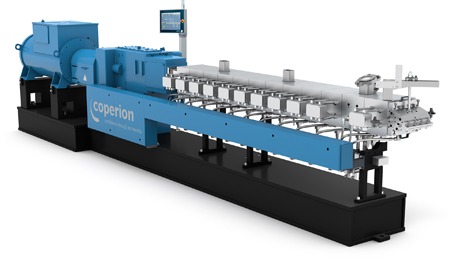
Mr. Rust: The plastics that are recycled have all experienced thermal damage at some point. They have been subjected to massive stress. Our system has the advantage that we introduce very little mechanical energy into the extrudate. With twin-screw and single-screw extruders, the material is mainly plasticized by way of the mechanical energy input of the main drive. We, by contrast, melt the material in the planetary roller extruder by means of thermal energy input, which is gentle on the material. As a result, we never actually need the full drive power of the extruder, and energy consumption is correspondingly lower. This saves considerable costs, and ultimately also reduces the CO2 footprint.
Another contribution to sustainability would be the devulcanization of used tires. Where does ENTEX stand in this respect?
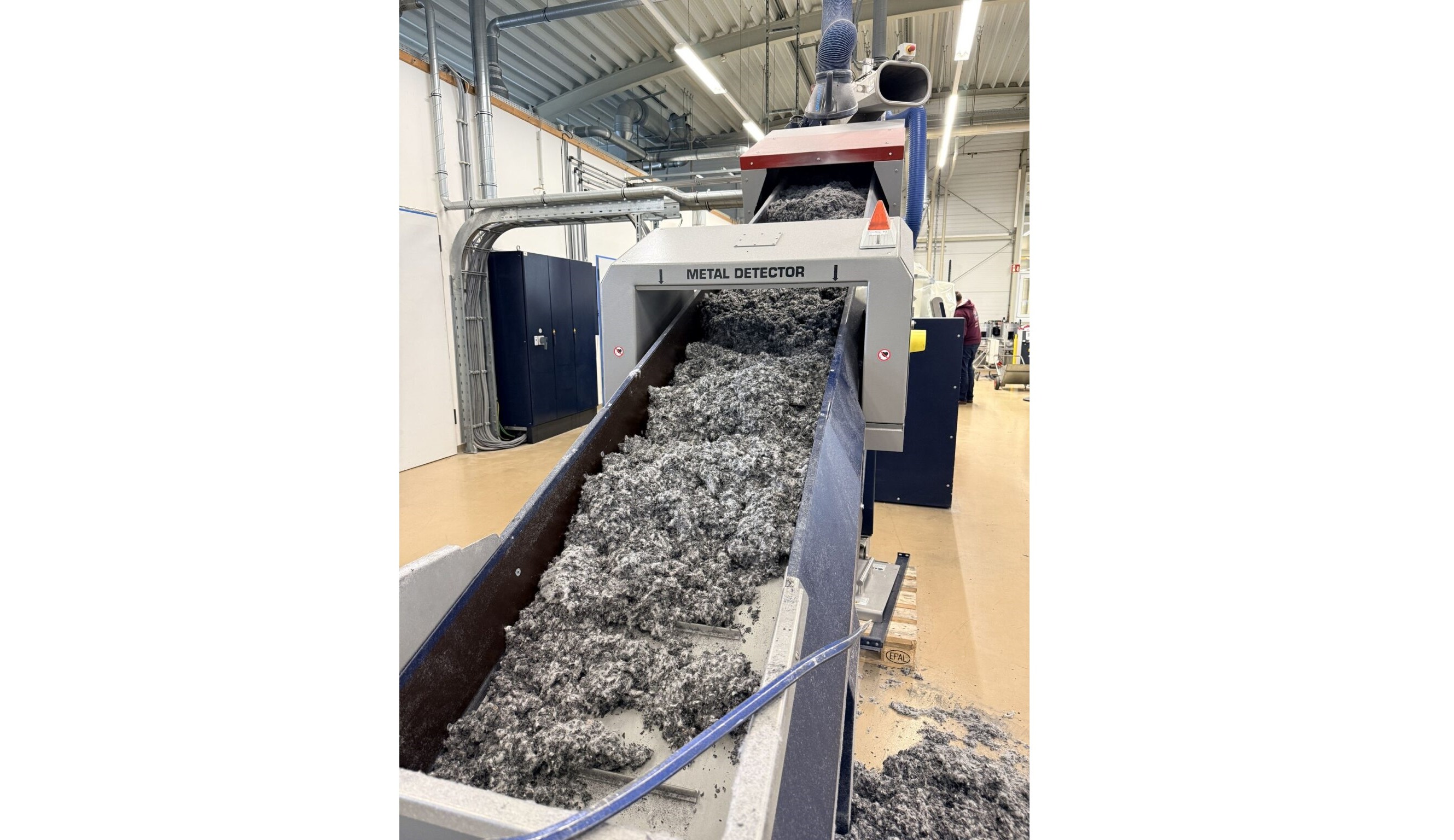
Mr. Rust: Recycling used tires was long considered technically impossible. Used tires, regardless of the type of vehicle, are recycled thermally these days. For example, they are used as fuel for generating energy in cement works. At ENTEX, we have played a major role in shaping the devulcanization process and have now reached a point where we are able to separate the carbon chains from the sulphur chains through targeted energy input, thereby reversing the vulcanisation process. This enables us to recover most of the natural rubber, which can then be reused as a recyclate in new tires, as well as a wide range of other rubber applications.
So basically, the era of used tire recycling has already begun?
Mr. Rust: The tire industry is very conservative and likes to stick to established and traditional process chains. In tire production, the recipes are often very old. Every minor change to a tire composition always entails a change in production and a great deal of effort, which is why it is not so easy to implement innovations. However, this is likely to change in the foreseeable future. Politicians are exerting pressure and stipulating that new products must contain a certain proportion of recycled material in the near future. This will make the whole issue increasingly interesting for us. Ultimately, we have to develop further, and we therefore hope that new technologies, such as devulcanization, can become an established part of the transformation towards a circular economy.
Can a new tire be made from 100% recycled material?
Mr. Rust: It is a realistic assumption that in future, it will be possible to add 40-50% of devulcanized recyclate to natural rubber. There are already a number of studies and trials in this field, which all look very promising.
Where do we stand in the circular economy today?
Mr. Rust: In my view, we are still at the beginning in many areas. Most of the plastics consumed today are considered non-recyclable and are therefore still produced on a petrochemical basis. Our task is to find ways to make plastics that are currently not recyclable or only recyclable at great expense - such as PVC - usable in the circular economy.
Will there come a time when we can say that the problem of plastic waste has been solved because the cycle has been closed?
Mr. Rust: We are a very innovative generation, and developments are constantly ongoing. For example, we have a customer who is working extensively on recycling wind turbine blades. The glass fiber of the blades is still considered non-recyclable, but the customer has made it usable again and can utilize it as a filler for other products. In any case, as in other instances, it all still takes a lot of time. It took 100 years from the development of the first nylon fiber to the invention of nylon tights. In my view, it will probably be a long time before we reach the point where we can say that we have recycling in the plastics industry completely under control.