






WEIMA: The pressure is on to recycle post-production waste

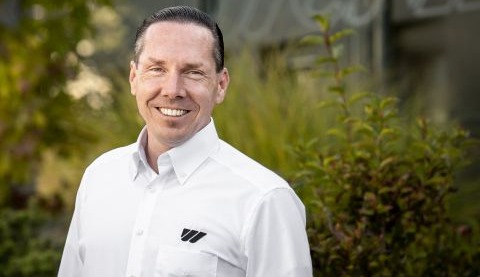
In this VDMA interview on the way to K 2025, Patrick Henzler, Sales Director at WEIMA, discussed the trends of post-consumer and post-industrial recycling.
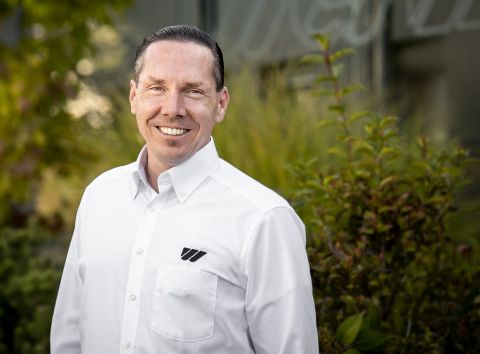
Patrick Henzler, Sales Director at WEIMA.
Mr. Henzler, how is post-consumer recycling developing in the market?
Mr. Henzler: Post-consumer recycling has been under severe pressure in Europe for around two years. Many of our customers in this sector are relocating production to more cost-effective foreign countries or closing their operations completely after 20 or even 30 years. Recyclers who work in the post-consumer sector have high requirements for the treatment of the material. The materials are contaminated; they have to be washed and sometimes sorted – even if they are purchased from a sorting plant. This results in high energy consumption and therefore high costs in Germany. Added to this is the lack of well-trained personnel. Finally, recyclers in Germany are being hit by the flow of cheap recycling material from Asia, especially from China.
Are things looking better for post-production recycling?
Mr. Henzler: Yes, the situation is fundamentally different there. If someone manufactures pipes for example, they have their own production waste. This waste is clean. It doesn't incur the same high costs as post-consumer waste. Another positive aspect is that you have control over your own waste stream. There is pressure to recycle post-production waste. The aim is to avoid disposal costs for example. Companies would rather invest in a recycling solution than having to cope with high logistics costs every month. For us as a machine manufacturer, both areas are very important.
What do you at WEIMA think of the trend towards system integration?
Mr. Henzler: This is an existing trend. Many customers want to buy all the components of a new system from a single source. They want to hand over responsibility for smooth production to a system provider. However, this can mean that they will need to make compromises, because not every machine in a system necessarily has to be the best of its kind. We do not go along with this trend and instead follow the motto to "stick with what you know". We are convinced that if you attempt to do everything, you’ll end up not doing things well enough. We know our products, but we are also adding new products and developing them further.
How does WEIMA contribute to solving the shortage of skilled workers?
Mr. Henzler: We enable our customers to deploy their personnel efficiently on our machines, whereby the key word is ease of maintenance. Customers want to carry out the necessary machine maintenance as quickly as possible and are increasingly looking to switch to machine monitoring. This is because the shortage of maintenance personnel is already at a concerning level throughout Europe, and will continue to increase. We have developed a special tool, the WE.monitor, which detects faults and also enables automatic countermeasures to be taken, thereby simplifying and optimizing maintenance.
What contribution does WEIMA make towards sustainability?
Mr. Henzler: WEIMA attaches great importance to it as a company. For example, we have equipped all of our production hall roofs with solar panels and supply our own electricity. In terms of our products, we contribute towards sustainability through high energy efficiency. Our machines consume a minor amount of electricity and can process materials in a way that conserves resources.
What does WEIMA expect from the K?
Mr. Henzler: We are quite optimistic and therefore expect a number of enquiries despite the aforementioned problems in the post-consumer sector. These affect Europe and the USA, but we must not forget that the markets in Asia are growth markets. The world is not homogeneous, and an international company like ours always has the advantage of balancing its business across the different regions of the world. We also expect new enquiries in the field of post-industrial recycling at K. In general, we expect fewer business deals than at previous trade fairs. Many companies tend to wait and realize a planned project one or two years later.