













Top 10 Technology Trends: Intelligent injection molding and auxiliary

The global plastics and rubber industries are currently embarking on a significant phase of transformation. Technological innovation has become a vital force for boosting competitiveness and navigating through economic cycles.
Energy changes and trade barriers are heightening uncertainty, while the “dual carbon” goals are driving a green transition. Intelligent manufacturing, digitalization, and advanced materials are rapidly converging. Together, these factors are propelling the industry towards higher value-added and sustainable development.
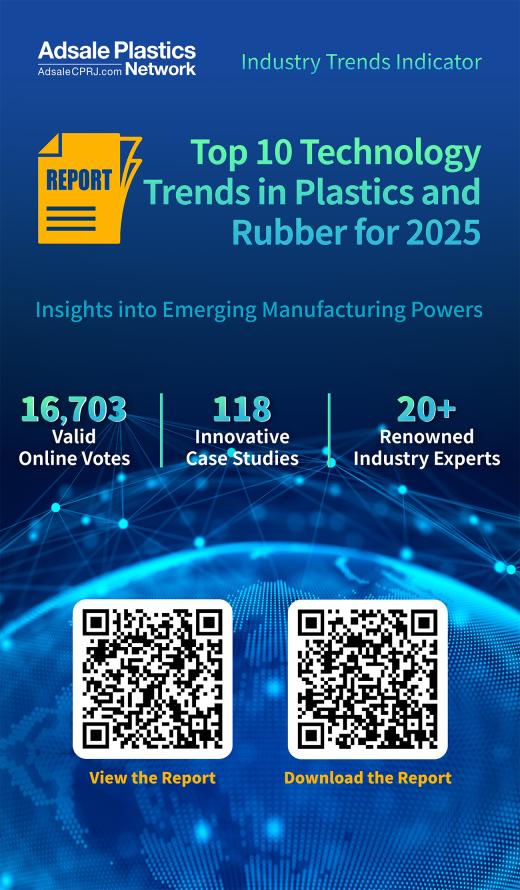
Drawing on extensive case studies and professional evaluations, Adsale Plastics Network has published the report “Top 10 Technology Trends in Plastics and Rubber in 2025”, which sets out the innovation roadmap and future direction for the plastics processing industry in 2025.
The top ten technology trends are:
1. High-Value Recycled Plastics and Rubber
2. Bioplastics
3. Lightweight, Functional Materials and Additives
4. Skin-Friendly Soft Materials
5. Low-Carbon Recycling
6. Functional Films and Surface Treatment
7. Intelligent Injection Molding and Auxiliary Technologies
8. Energy-Efficient Extrusion and Auxiliary Technologies
9. Multi-Layer, Multi-Cavity Blow Molding Technologies
10. Automation and Smart Manufacturing Technologies
Driving the development of a collaborative ecosystem
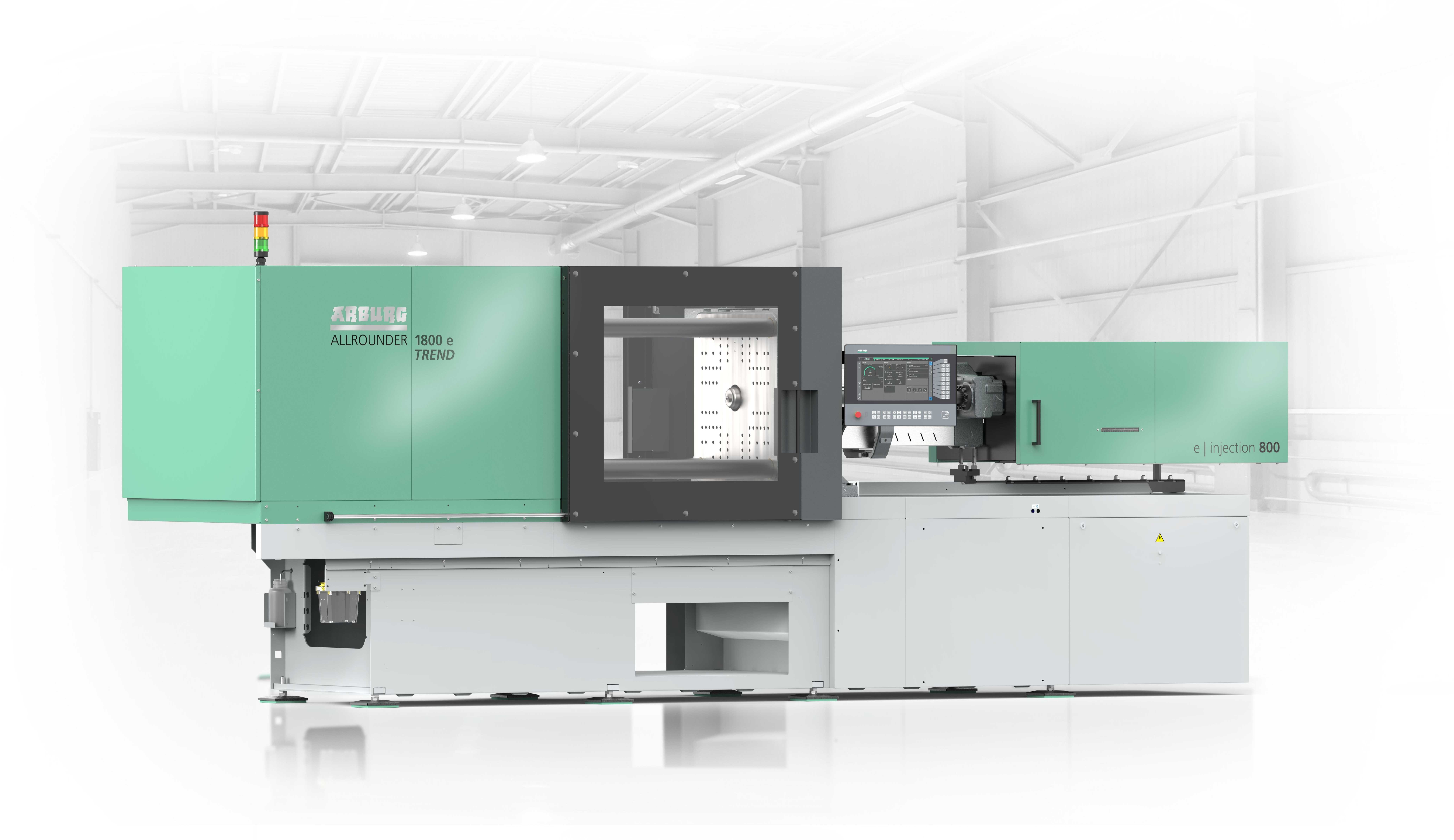
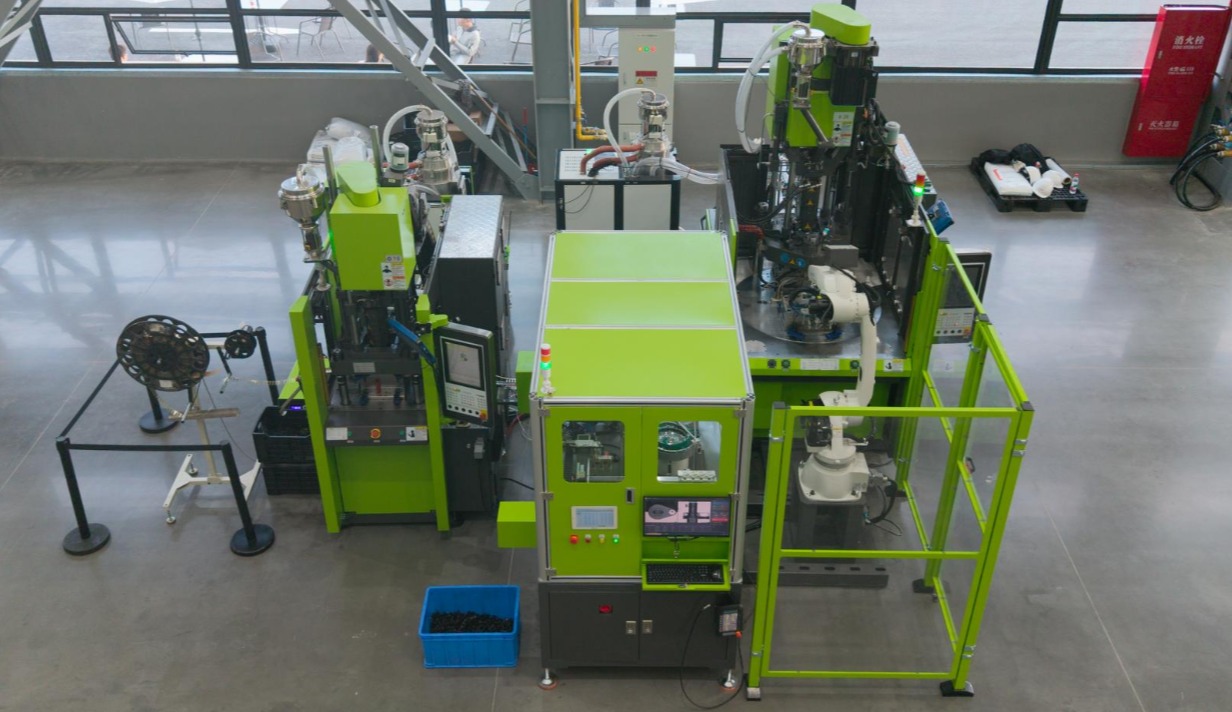
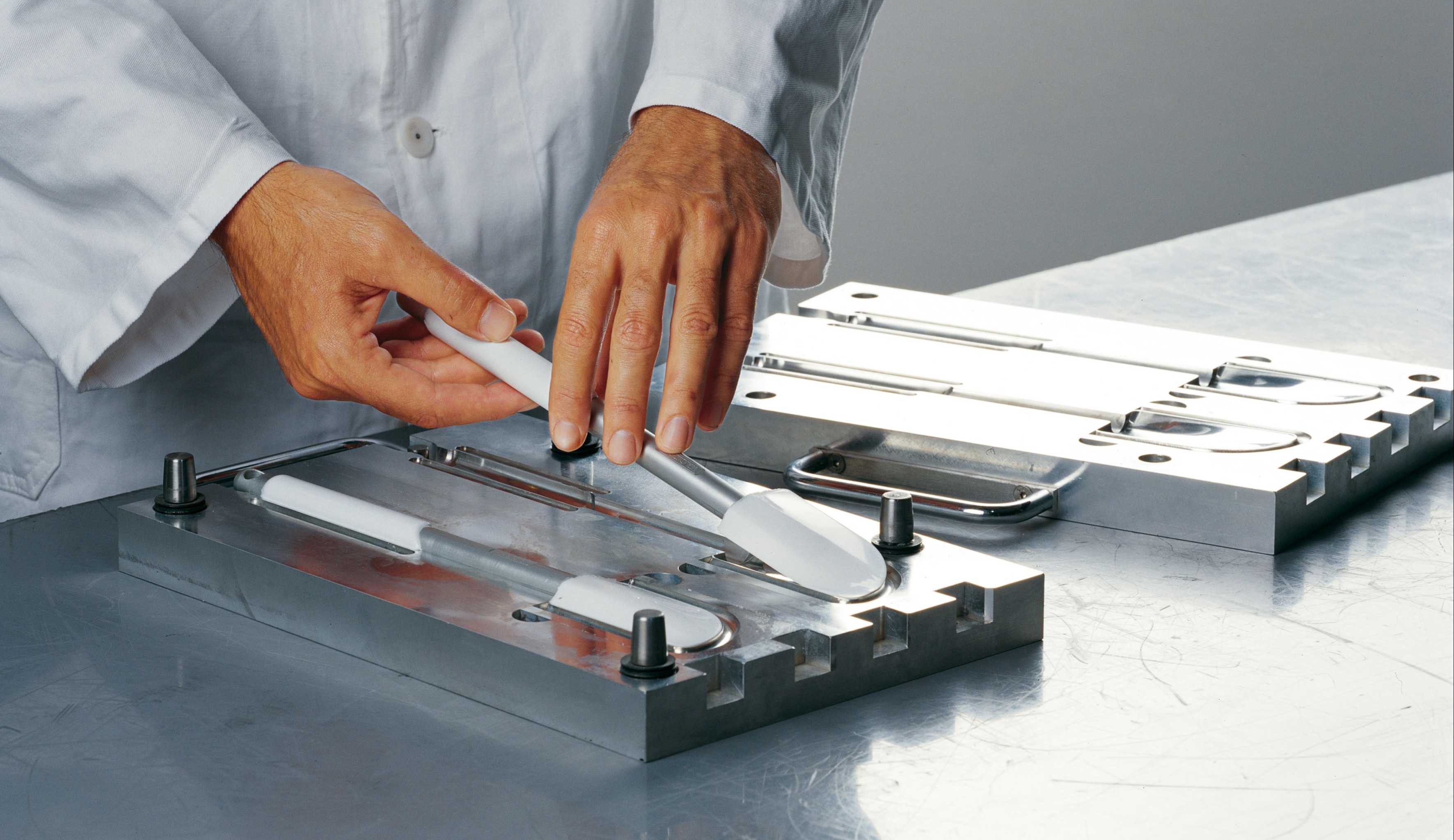
In the injection molding sector, multi-color molding and liquid silicone rubber (LSR) integrated processing have emerged as key technological trends, reflecting the growing demand for reducing process changeovers and optimizing production cycles. At the same time, these technologies further expand design freedom for complex and high-precision components.
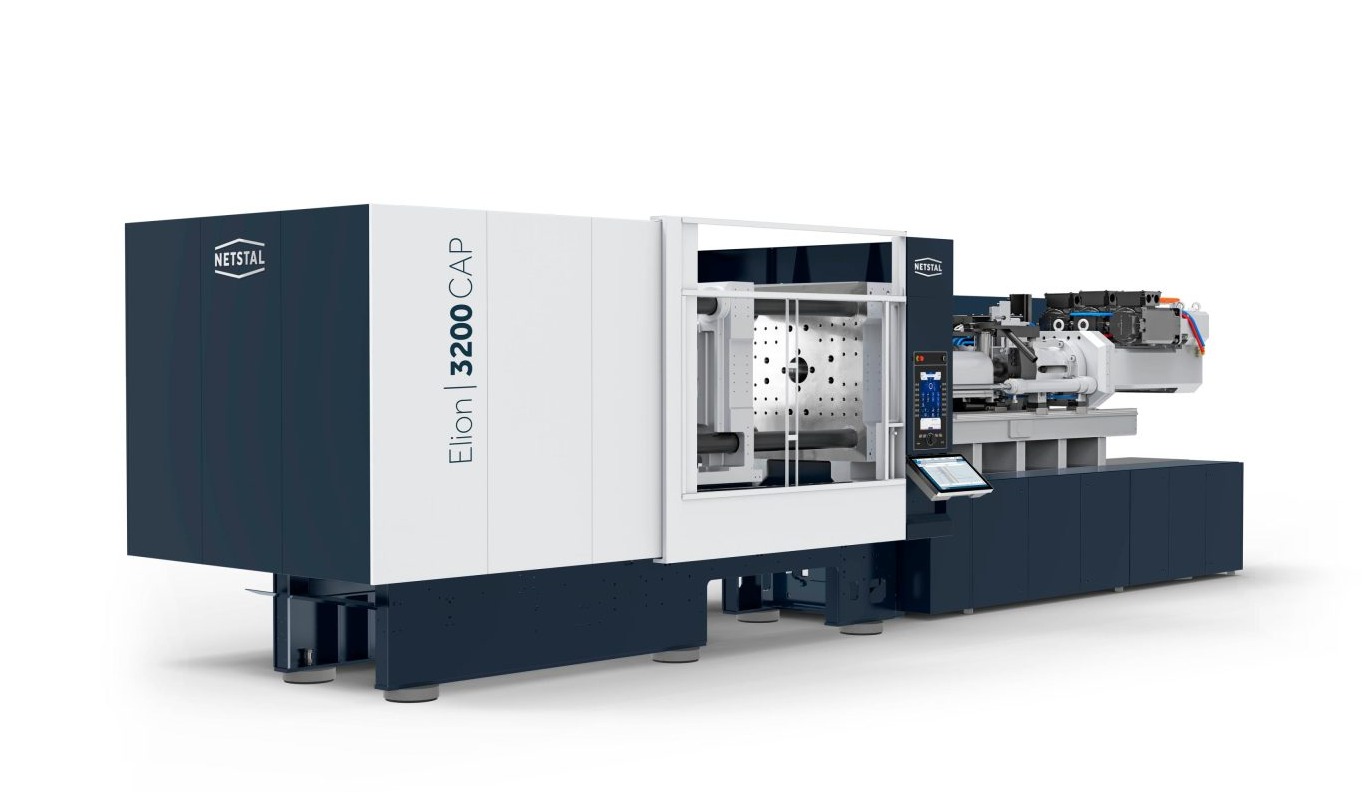
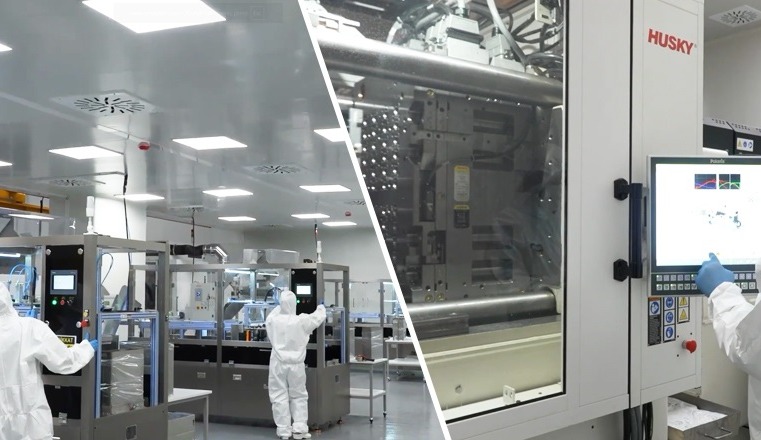
High cavitation has become essential for molding companies striving to improve efficiency and reduce costs, particularly in the packaging and medical industries, where the demand for capacity and consistency is exceptionally high.
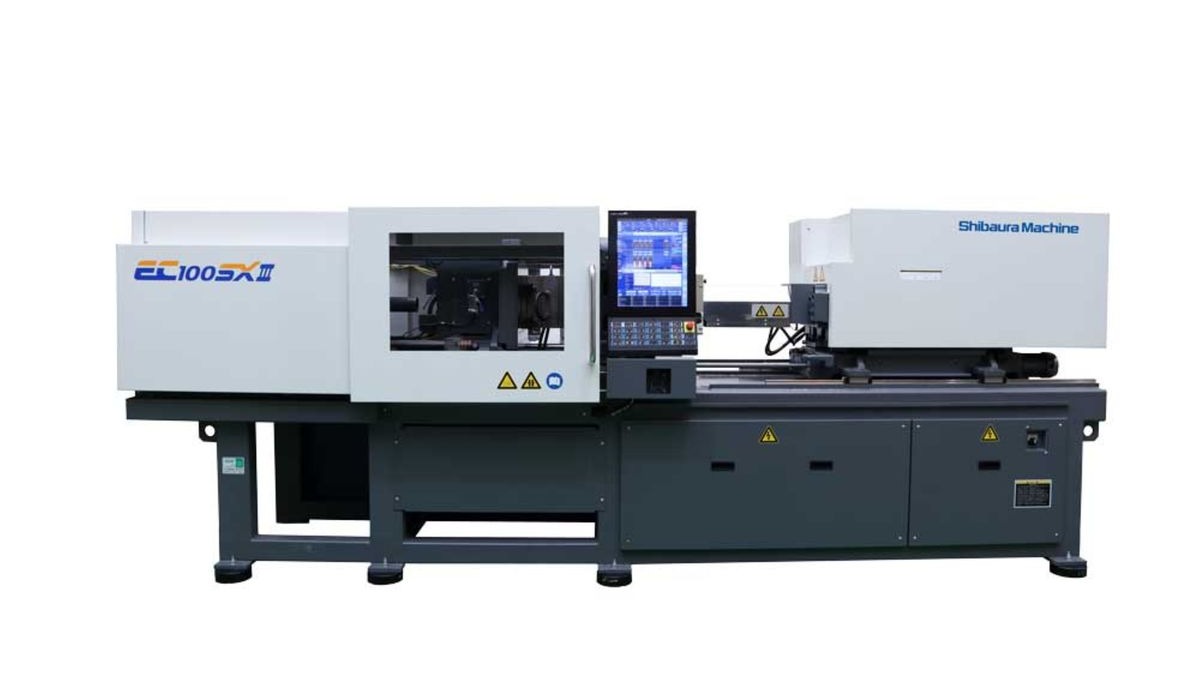
Servo motor systems are evolving from traditional drive modules into the core of intelligent control. These systems are now integrated with sensor networks and smart algorithms, enabling real-time responsiveness and closed-loop control of process conditions.
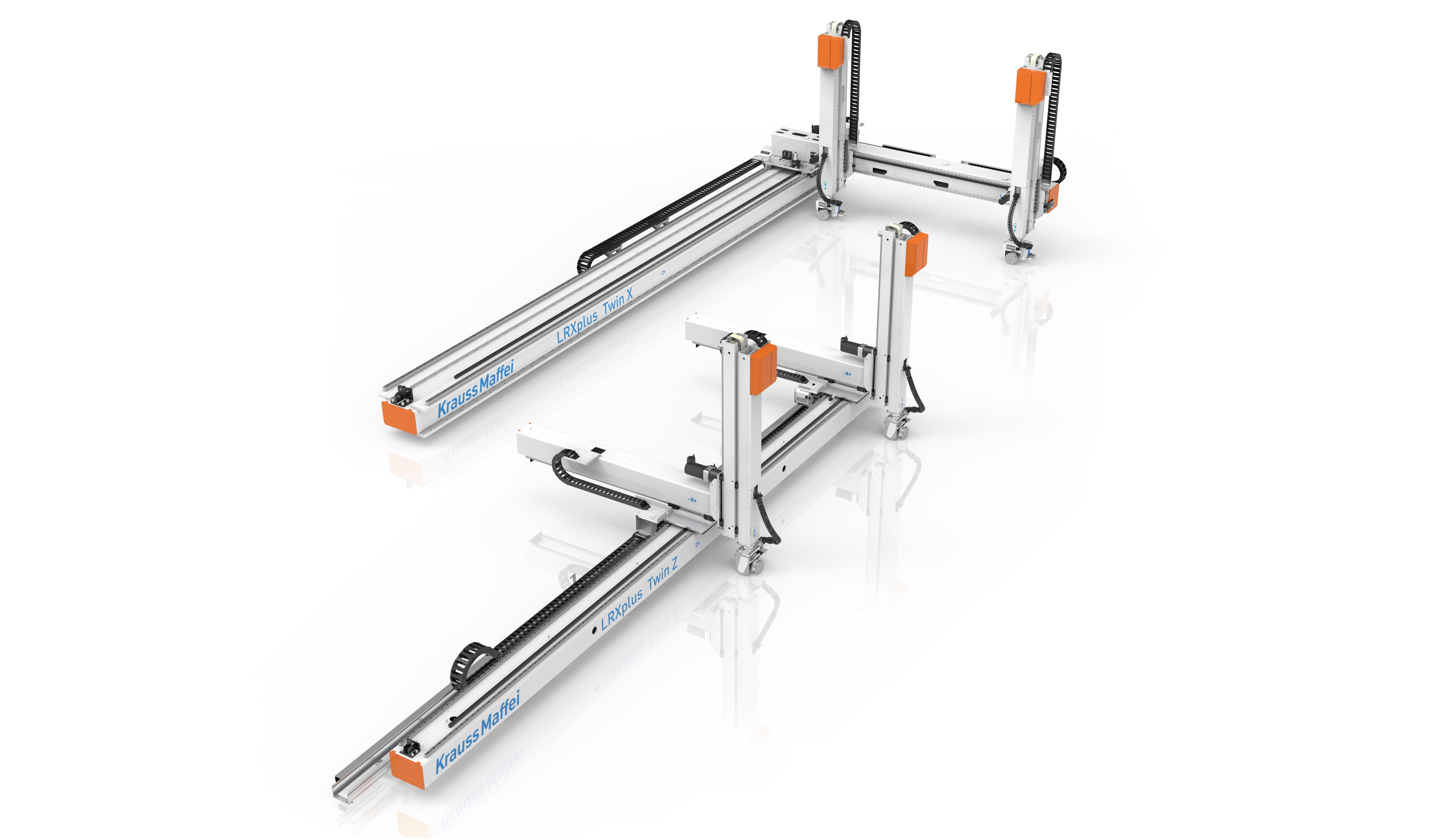
A crucial step towards intelligentization in the plastics processing industry is the integration of data. Leading equipment manufacturers are driving the development of a “collaborative ecosystem” through device interconnection, functional integration, and process optimization.
Case studies
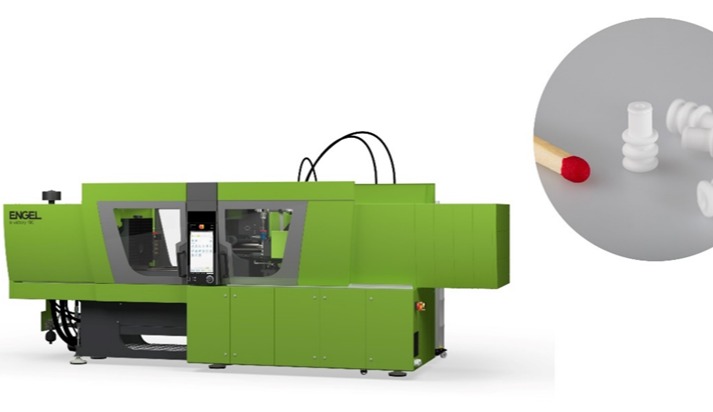
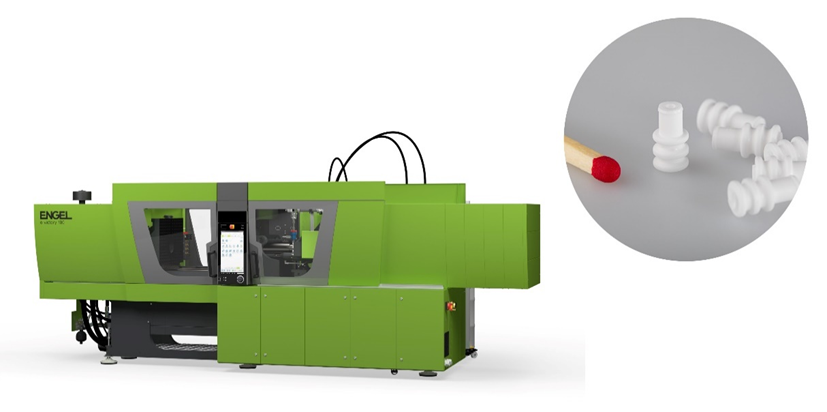
ENGEL | e-victory Tie-Bar-Less Injection Molding System
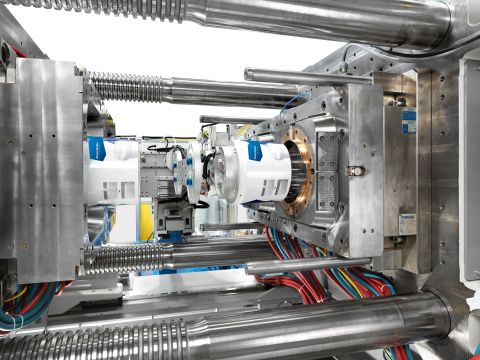
This system adopts a tie-bar-less structural design, reducing clamping force from the conventional 160 tons to 100 tons while maintaining high mold compatibility alongside equipment miniaturization.
The structural innovation enables the integration of additional functional modules (such as cavity separation and post-processing units) within limited space, delivering highly flexible and efficient integrated solutions for LSR injection molding equipment.
Yizumi | Parallel Four-Color Multi-Layer Injection Molding
Featuring a dual-layer parallel injection layout, this system achieves single-cycle molding of four-color products. Its modular injection units enable flexible material dosing adjustments, balancing mass production efficiency for large products with the demand of small-batch customization, thereby enhancing equipment flexibility.
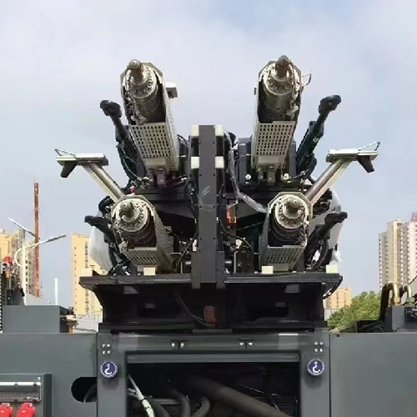
Deeplus | Micro LSR Two-Color Injection Auxiliary Unit
This unit can be easily adapted to injection molding machines from any brand. With a maximum shot volume of 60cc, its independently driven and controlled micro injection unit enables two-color molding of engineering plastics and LSR on a single machine, pushing the boundaries of conventional injection molding equipment.
MultiTech | All-Electric Vertical Rotary Injection Molding Machine
Addressing core challenges in structural stability and precision control for Chinese all-electric machines, this system achieves a maximum injection speed of 500mm/s and a pressure of 350MPa, covering over 90% of precision molding applications for plastics and LSR in electronics, medical, and other high-end markets.
Hongrita | Multi-Material Stack Rotating Mold
The servo-driven horizontal rotation structure significantly increases multi-color/material output without increasing machine tonnage, dramatically reducing mold space requirements to double integrated molding efficiency.
TK Mold | High-Precision 128-Cavity Mold System
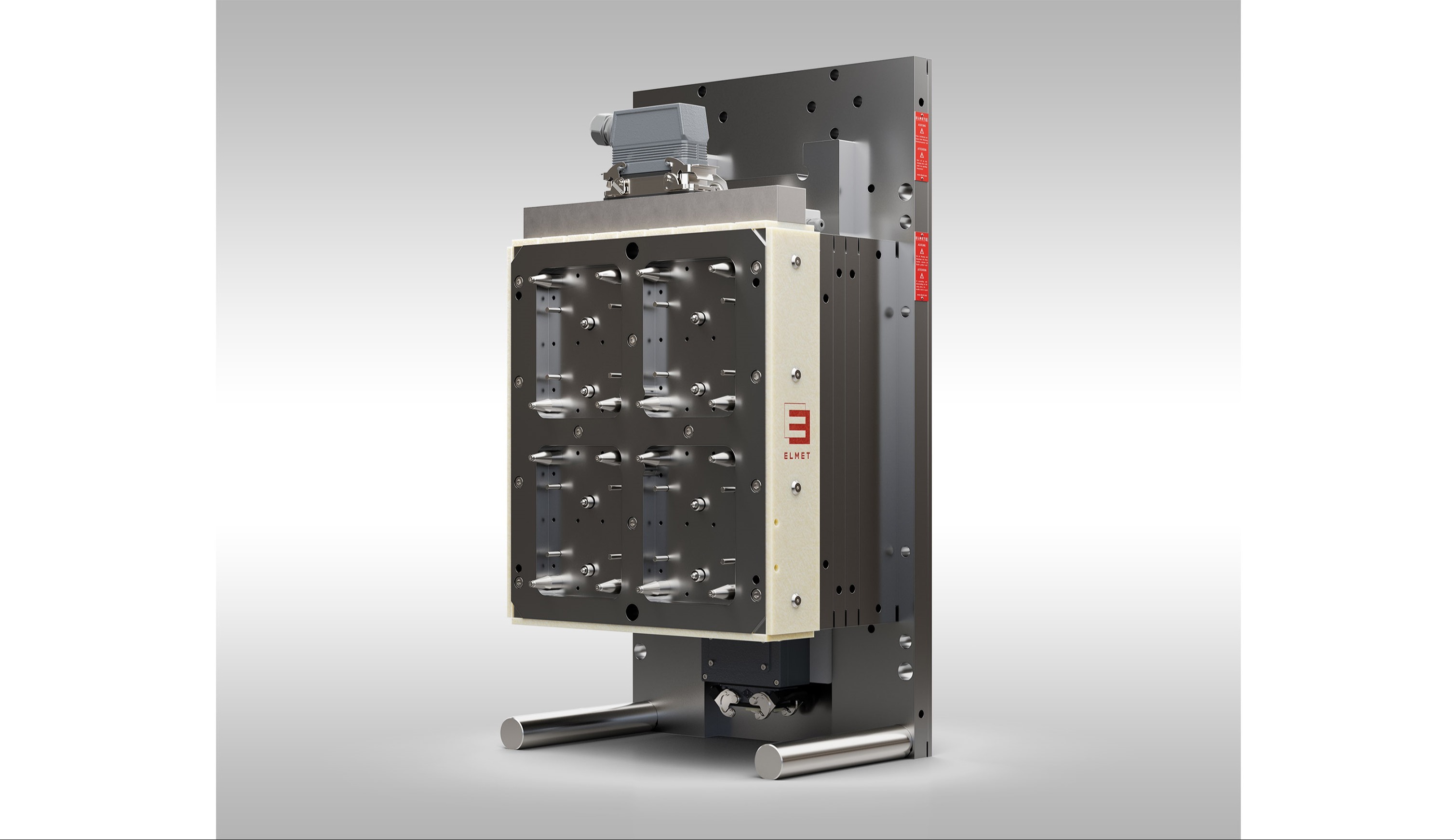
TK Mold’s system supports up to 128+128 cavities, designed for automatic box lid and toothpaste cap molding, with a cycle time as low as 11.5 seconds. This represents a 100% efficiency improvement compared to 64-cavity molds. It balances mold life and molding precision, making it suitable for efficient large-scale production lines.
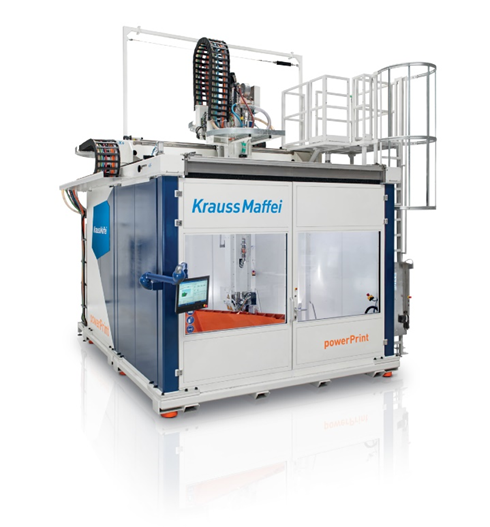
KraussMaffei | powerPrint Large-Scale 3D Printing System
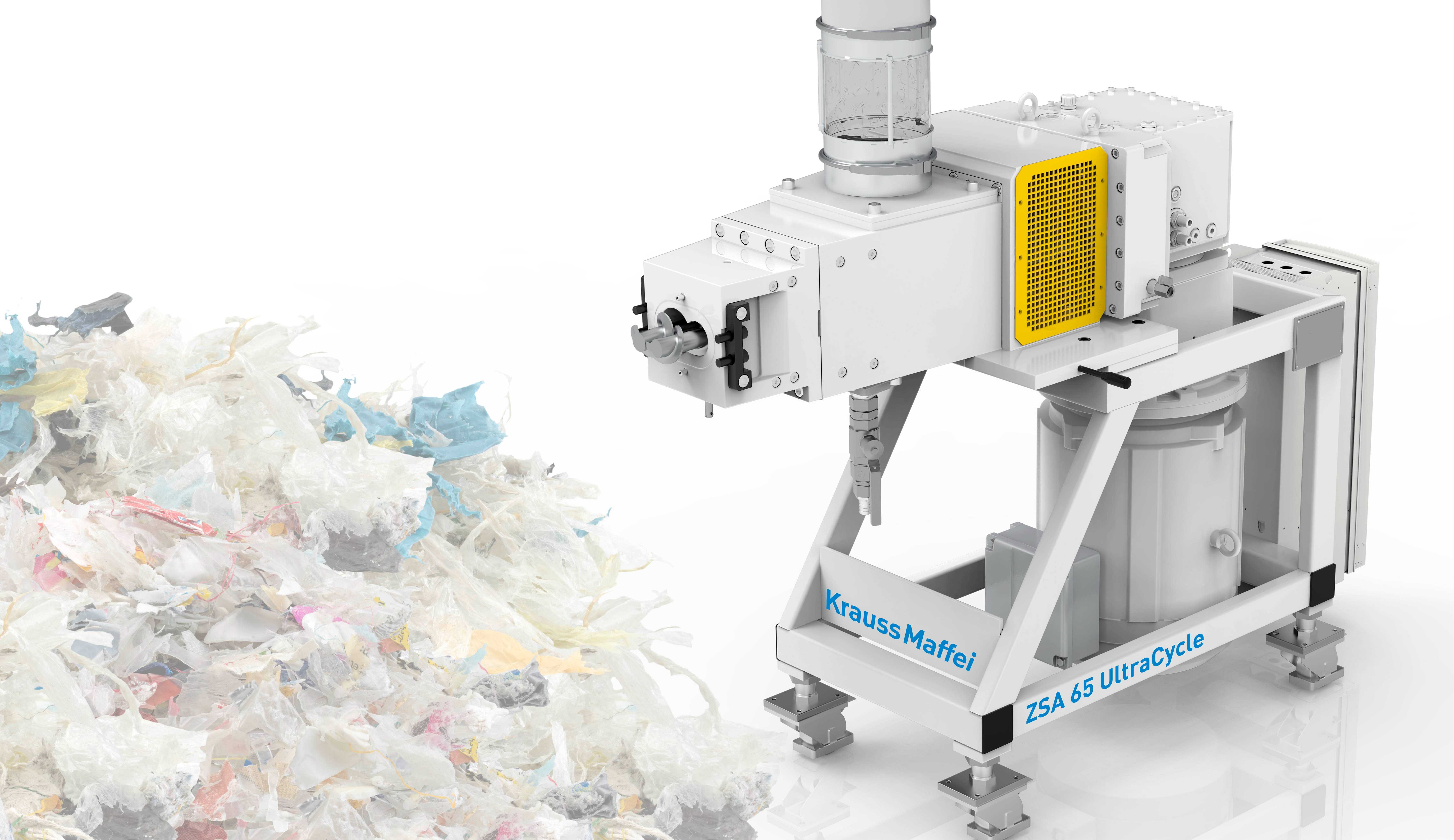
This 3D printing system utilizes innovative Fused Granulate Fabrication (FGF) technology, with the extruder as the core component, enabling efficient and precise small-batch production of large, complex parts. Its insulated, closed, large-scale vacuum printing chamber is particularly suited to processing aerospace-grade high-temperature materials like PEI. Under optimal conditions, the nozzle achieves ultra-high stable extrusion of 70 kilograms of material per hour, far exceeding the industry average of 20–30 kilograms per hour.
Notably, this system can process dimensions of up to 10 cubic meters, setting a new benchmark for the industry. It is currently being used in customized manufacturing across sectors such as aerospace, creative design, and tooling fixtures.
Demag | ActiveFlowBalance Intelligent Filling Balance
By innovatively adopting low-inertia servo motors and direct drive systems, the screw can accurately "lock" critical positions during the injection molding process. Using the internal pressure of the melt, it automatically achieves balanced cavity filling, enhancing product consistency and stability.
Welltec | 1100HD Ultra-Large All-Electric Injection Molding Machine
With an integrated servo system and controller, this machine achieves injection accuracy within ±0.03mm, with a weight deviation of ≤0.1%, enabling stable molding of precision products in the automotive, home appliance, and optical lighting sectors. Its CAE-optimized high-rigidity mold structure effectively extends mold life and reduces error accumulation.
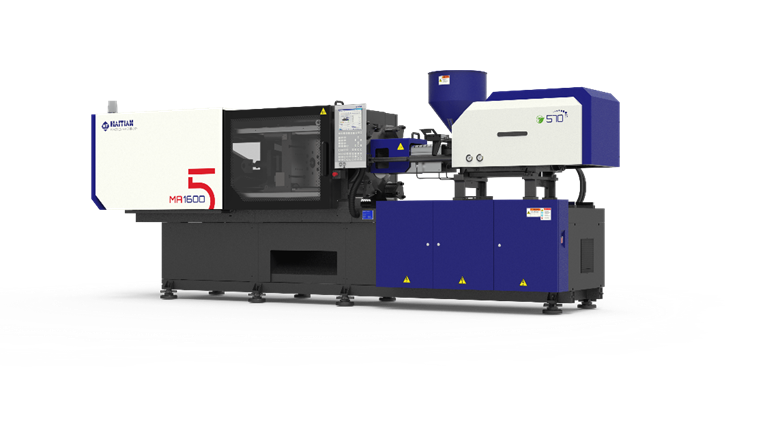
Haitian | MA Gen 5 Injection Molding Machine
This machine facilitates efficient communication between the injection molding machine, MES, and automation equipment, supporting customized production and open platform integration. It also enables the linkage of data and control logic between equipment.
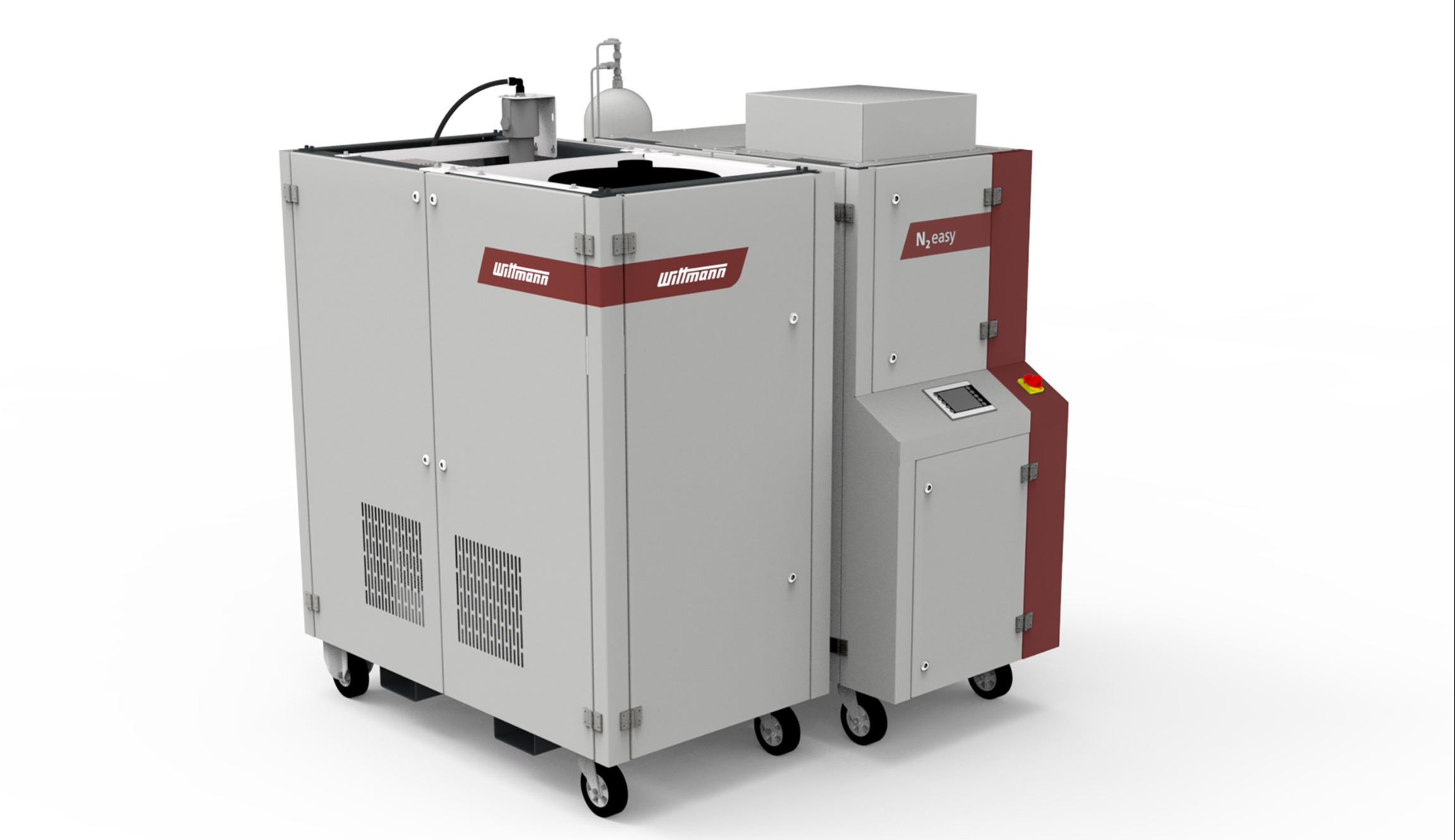
WITTMANN Group | Wittmann 4.0 One-Stop Intelligent Injection Molding System
This system integrates the injection molding machine, peripheral equipment, and data management system, achieving end-to-end collaboration from material handling and molding control to energy consumption management. It significantly enhances the overall level of production intelligence.
To download the report “Top 10 Technology Trends in Plastics and Rubber in 2025”, please click here.