








LANXESS expands capacity, targeting China’s high-end rubber additives market

How do electric vehicle (EV) tires achieve the perfect balance of high traction, low rolling resistance, and durability? The answer may lie in LANXESS’ recent capacity expansion for two production lines at its Rhein Chemie production site in Qingdao, China.
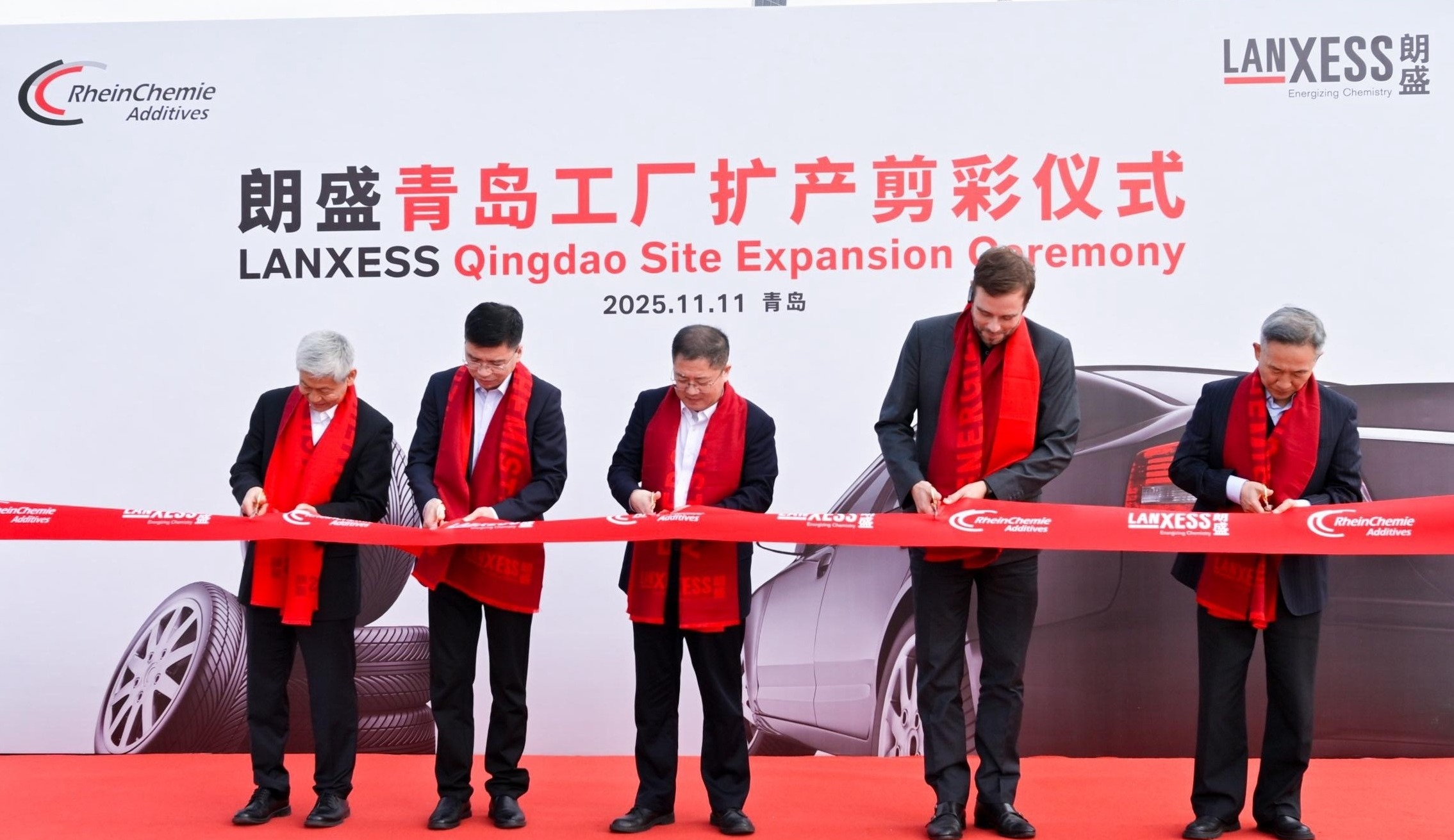
This expansion marks LANXESS’ largest investment in the rubber additives sector globally in the past five years, boosting production capacity for processing promoters and polymer-bound rubber chemicals by 50%, along with key technological upgrades.
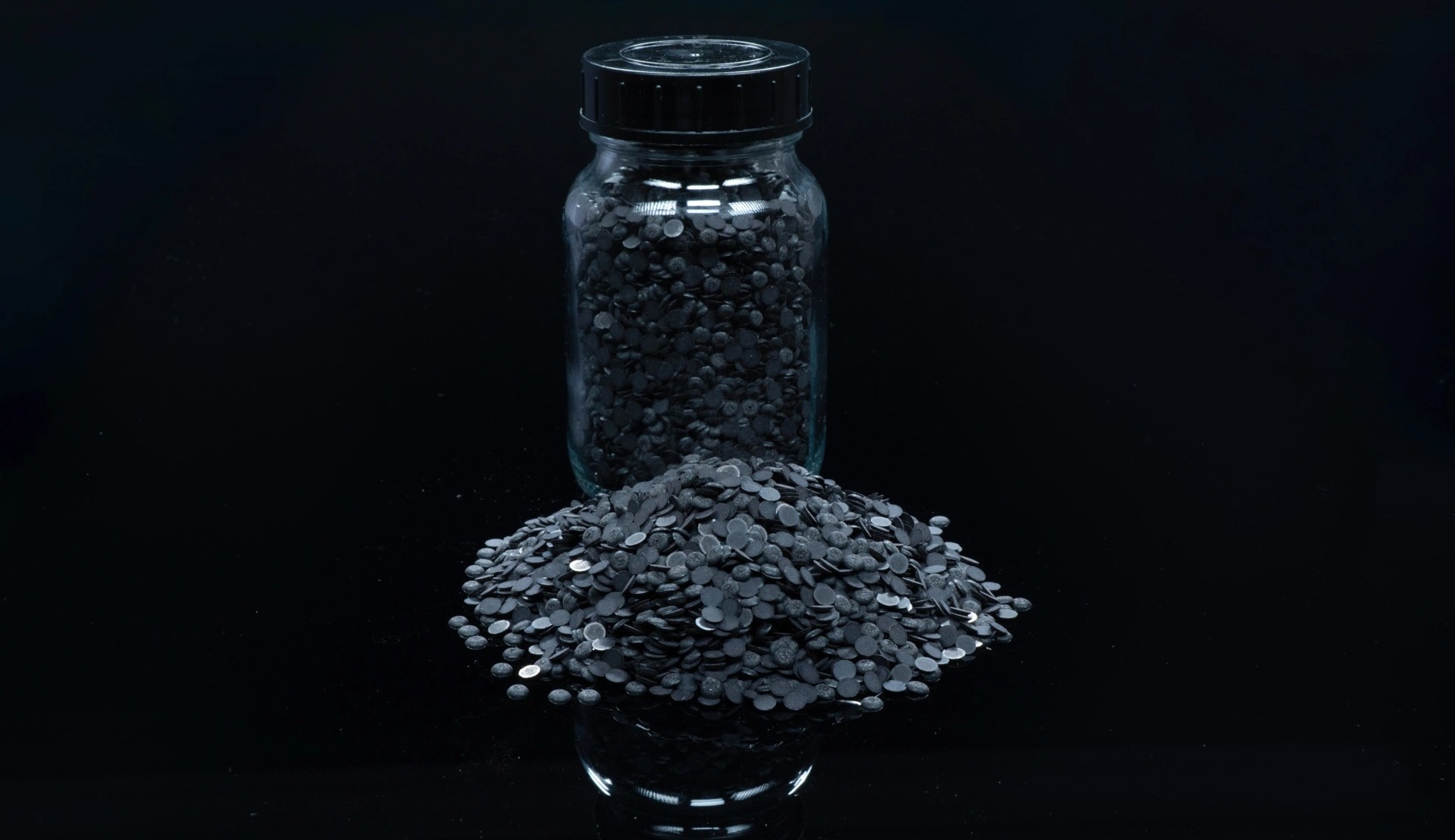
Processing promoters enhance the mixing, processing, molding, and vulcanization of rubber, while polymer-bound rubber chemicals, pre-dispersed in polymer, improve the safety, efficiency, and consistency of rubber manufacturing. This allows for precise adjustments in formulations to meet specific performance requirements.
Amid fluctuating demands in the chemical industry and the ongoing restructuring of global supply chains, the expansion at the Qingdao facility underscores LANXESS’ optimism about the opportunities in China’s rubber and automotive sectors.
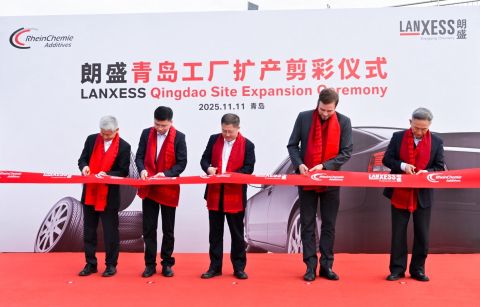
Expansion ceremony with ribbon-cutting.
EV tire growth boosts demand for rubber additives
As the world's largest producer and consumer of automobiles, China has seen steady growth in its automotive sector over the past three years. Vehicle production increased from 30 million units in 2023 to 31 million units in 2024, with over a 10% year-on-year rise during the first nine months of 2025.
This surge in vehicle production translates into a heightened demand for tires. As EV penetration rate surpasses 50%, the requirements for tire specifications have become more stringent, necessitating higher load capacities, improved traction, lower rolling resistance, and enhanced durability.
Simultaneously improving traction, rolling resistance, and wear resistance presents a significant challenge. However, LANXESS’ innovative additive technology has successfully addressed this traditional trade-off.
This technology not only enhances traction and durability but also reduces rolling resistance, thereby indirectly extending the range of EVs. For instance, LANXESS’ Perkalink 900 significantly stabilizes tires and reduces rolling resistance in high-temperature environments, leading to remarkable improvements in tire lifespan and battery performance.
Green upgrade beyond capacity expansion
Notably, LANXESS’ expansion at its Qingdao facility is not merely about increasing capacity; it represents a comprehensive green upgrade across the entire value chain.
On the raw materials front, the use of bio-based fatty acids has been further increased to reduce reliance on fossil resources. In the supply chain, the transition from barrel to tank truck transportation has substantially lowered the consumption of single-use packaging materials.
Furthermore, LANXESS is aiding customers in achieving raw material traceability and emissions accounting through its Scopeblue low-carbon products and carbon footprint calculation tools, already implemented in collaboration with Continental AG.
While green production often involves higher costs and greater demands for emissions reduction systems, renewable materials, and supply chain transparency, the increasingly competitive landscape in the Chinese market is driving more local companies to integrate sustainable development into their core strategies.
The green upgrades of the two production lines in Qingdao not only reflect LANXESS’ commitment to achieving climate neutrality in production and energy use by 2040 and across the entire value chain by 2050, but also respond to the growing demand for sustainable practices in the chemical industry.
Based in Shandong, serving Asia-Pacific
The Qingdao facility is one of LANXESS’ earliest investment projects in China, situated in Shandong, a significant hub for the rubber industry. This facility is dedicated to delivering ongoing technological innovation and high-performance solutions to meet the needs of automotive tires and high-end rubber products.
“With this investment, we are strengthening our ability to serve customers in China with high-quality, locally produced solutions,” said Michael Rockel, CEO of LANXESS Greater China, at the expansion ribbon-cutting ceremony. “The expansion is driven by strong market demand and aligns with our strategy of local production for the local market.”
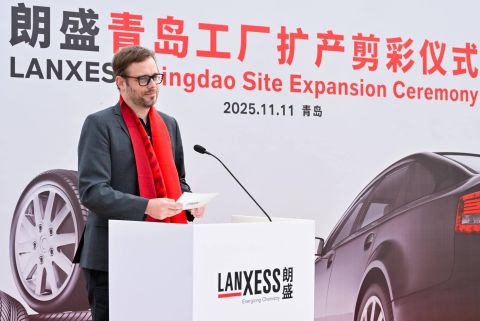
Speech by Michael Rockel, CEO of LANXESS Greater China.
In 2024, LANXESS’ global sales reached €6.4 billion, with the Asia-Pacific region contributing approximately 20% of this total.
The significance of the Qingdao facility expansion extends beyond mere capacity enhancement. It supports the sustainable and high-end development of China’s rubber industry while also highlighting a key industry trend: the Chinese market offers not only manufacturing scale advantages but is also becoming a pivotal base for multinational companies to establish regional supply chains.