









Top 10 Technology Trends in Plastics and Rubber 2026 unveiled: Call for global product case studies

As 2026 approaches, what will be the next growth engines in the plastics and rubber industry? The answer lies in the wave of emerging technologies.
With over 40 years of experience in the plastics and rubber industry, Adsale Plastics Network is excited to unveil its annual initiative: the “Top 10 Technology Trends in Plastics and Rubber 2026”.
This is not just a trend report; it's a comprehensive “Future Action Guide” that merges insights from global industry leaders with the expertise of specialists.
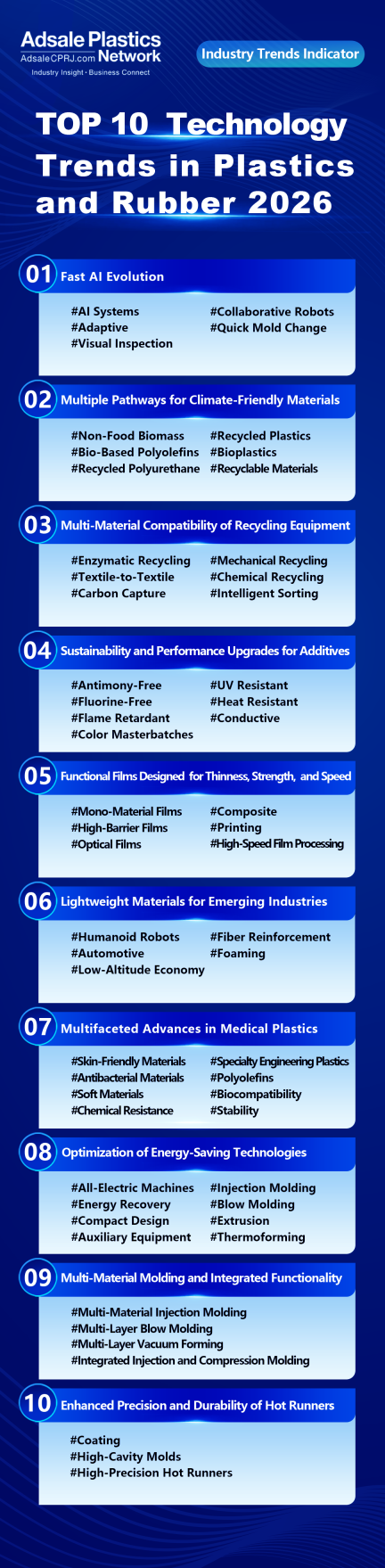
Trend 1: Fast AI Evolution
#AI Systems #Adaptive #Visual Inspection #Collaborative Robots #Quick Mold Change
In 2026, the application of AI in the plastics and rubber industry will accelerate its evolution. This is largely due to more precise algorithms and higher data processing efficiency, which have lowered the barriers to large-scale AI adoption in the industry.
Additionally, the industry is under pressure to transition to greener practices while also striving for cost reduction and improved efficiency. The limitations of traditional production and R&D models are becoming increasingly evident, making AI a crucial tool for companies to overcome challenges and maintain competitiveness.
We have observed three key characteristics of AI applications in the plastics and rubber industry:
Deep integration with industrial IoT: Enabling automation and intelligence across production lines for injection molding, extrusion, and blow molding.
Adaptive systems as standard: Utilizing algorithms to optimize molding parameters in real-time, thus minimizing the impact of manual intervention on quality stability.
Widespread adoption of AI quality inspection technology: Covering everything from defect detection to functional performance testing, significantly enhancing product quality and production efficiency.
Trend 2: Multiple Pathways for Climate-Friendly Materials
#Non-Food Biomass #Bio-Based Polyolefins #Recycled Polyurethane #Recycled Plastics #Bioplastics #Recyclable Materials
In the global race toward carbon neutrality, “climate-friendly” is no longer just a marketing tactic; it has become the starting point for upgrading business models.
Choosing climate-friendly materials is now seen as a forward-looking “strategic investment” rather than merely a “compliance cost” to meet regulations. This shift allows companies to turn environmental responsibility into sustainable brand equity.
This transformation in value is being driven by diverse technologies:
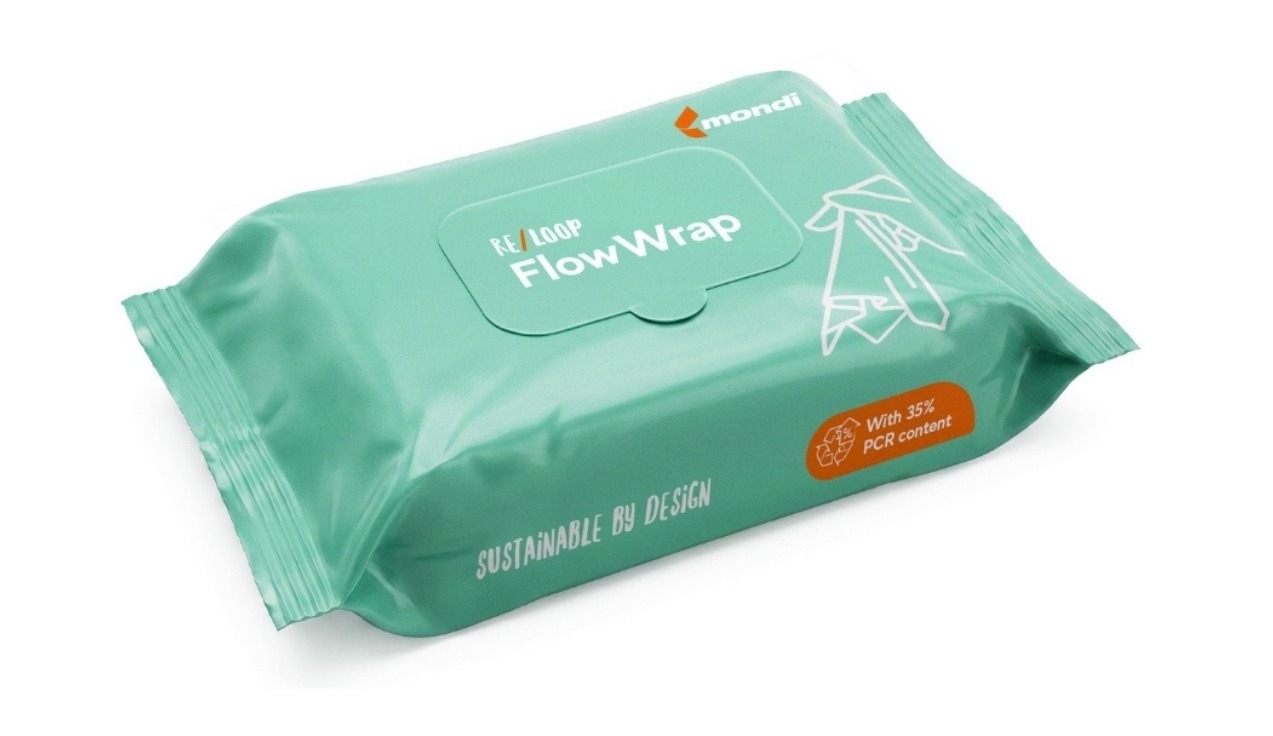
Design as responsibility: Recyclability is no longer an afterthought but a “factory setting”. By incorporating sustainability into the initial design, products are made to be recyclable and circular, significantly reducing their carbon footprint from the outset.
Scalable non-food bio-based materials: This approach avoids resource conflicts linked to “competing for food” and broadens the applications of bio-based materials, thereby strengthening supply chain resilience.
Diverse application of recycled plastics: The adoption of recycled materials—including polyolefins, polyurethane, and elastomers—is significantly rising across various industries such as packaging, automotive, consumer electronics, and home appliances.
Trend 3: Multi-Material Compatibility of Recycling Equipment
#Enzymatic Recycling #Textile-to-Textile #Carbon Capture #Mechanical Recycling #Chemical Recycling #Intelligent Sorting
Amid the growing momentum for carbon reduction, an increasing variety of plastic waste is being recycled and processed. Multi-material compatible recycling equipment enhances processing flexibility, helping companies scale up recycling efforts and improve profitability.
Multi-material compatibility: Equipment has evolved from handling a single type of material to becoming flexible production lines capable of processing mixed waste.
Enzymatic recycling: Directed catalytic reactions enable the high-quality, closed-loop recycling of plastic waste.
Textile-to-textile: Synthetic textiles are subject to closed-loop recycling, converting old clothing into new textile materials.
Carbon Capture and Utilization (CCU): Efficient separation of carbon dioxide allows for its concentrated storage or conversion into valuable resources.
Trend 4: Sustainability and Performance Upgrades for Additives
#Antimony-Free #Fluorine-Free #Flame Retardant #UV Resistant #Heat Resistant #Conductive #Color Masterbatches
In the highly competitive end market, additives have become a key variable in defining product differentiation.
Even small amounts of additives can improve material sustainability, functional performance, and sensory experience, significantly boosting product value.
We have identified the following trends in the technological evolution of additives:
Antimony-free and fluorine-free: Antimony is often used in flame retardants and PET production to improve flame resistance and efficiency, while fluorinated compounds are valued for their oil resistance and waterproof qualities. However, both can be toxic and potentially carcinogenic, leading to global regulations that require additives to be free of antimony and fluorine.
Increasing demand for multifunctionality: There is a growing need for a single additive that satisfies multiple functions, such as flame retardancy, UV resistance, heat resistance, and conductivity. This requirement is essentially a cost-reduction strategy.
Trend 5: Functional Films Designed for Thinness, Strength, and Speed
#Mono-Material Films #High-Barrier Films #Optical Films #High-Speed Film Processing #Composite #Printing
In film technology, the focus is now on overall performance and production efficiency, rather than just thickness or strength, impacting applications that range from packaging and electronic displays to lithium battery separators.
We have observed that innovations in film technology are concentrated in the following areas:
Mono-material films: These films are not only recyclable but also multifunctional.
High-barrier films: These films integrate multiple functions while reducing thickness.
Optical films: There is a clear trend toward smart and customizable solutions to meet various optical applications.
High-speed processing and composite technologies: Multi-layer blown films designed for compounding and printing greatly improve film processing efficiency.
Trend 6: Lightweight Materials for Emerging Industries
#Low-Altitude Economy #Humanoid Robots #Automotive #Fiber Reinforcement #Foaming
Lightweighting is not merely about reducing weight; it represents a core breakthrough for emerging industries driven by the demands of performance, adaptability, and cost balance. It not only defines product competitiveness but also determines the feasibility of technology implementation.
We have observed that different emerging industries have varying requirements for lightweighting:
Aerospace/low-altitude aircrafts: Safety is paramount; materials must provide high strength and adapt to extreme weather conditions while supporting the integration of large components.
Humanoid robots: These robots must endure high-frequency starts and stops, as well as complex impacts, while maintaining joint flexibility to ensure precise movement of intricate components.
New energy vehicles: Safety remains the top priority, but there is also a need to balance cost reduction with enhanced range.
Trend 7: Multifaceted Advances in Medical Plastics
#Skin-Friendly Materials #Antibacterial Materials #Soft Materials #Specialty Engineering Plastics #Polyolefins #Biocompatibility #Chemical Resistance #Stability
Innovative drugs and medical devices has led to a surge in demand for medical plastics, which are essential raw materials for packaging and components. To capitalize on this growth, medical plastics need to improve in biocompatibility, chemical resistance, and processing stability.
Skin-friendly materials: Focus on long-term wear and implantation applications to enhance biocompatibility, reduce allergenicity, and optimize friction coefficients, ensuring safety and lasting comfort for skin contact.
Antibacterial materials: Enhance long-lasting, broad-spectrum antibacterial properties for medical devices while preventing antibiotic resistance and adhering to strict hygiene standards.
Soft materials: Adapt to minimally invasive surgical instruments and wearable devices, improving flexibility, fatigue resistance, and biodegradability to support flexible design and repeated use.
Specialty engineering plastics: Target core components of high-end medical equipment by focusing on high-temperature resistance, chemical corrosion resistance, and high mechanical strength to ensure stability under extreme conditions.
Polyolefins: Enhance the performance of medical packaging and disposable materials by improving heat resistance, low migration properties, and chemical stability while prioritizing sustainability and recyclability.
Trend 8: Optimization of Energy-Saving Technologies
#All-Electric Machines #Energy Recovery #Compact Design #Injection Molding #Blow Molding #Extrusion #Thermoforming #Auxiliary Equipment
Rising energy costs, strict carbon reduction policies, and intense market competition are shifting plastics machinery energy savings from “single-point reduction” to “holistic system optimization”. To achieve long-term cost advantages, companies must improve energy efficiency throughout the entire process—including the main machine, auxiliary equipment, and structural design.
Electric drive and energy recovery: Enhance energy efficiency for injection molding machines, blow molding machines, extruders, and thermoforming machines.
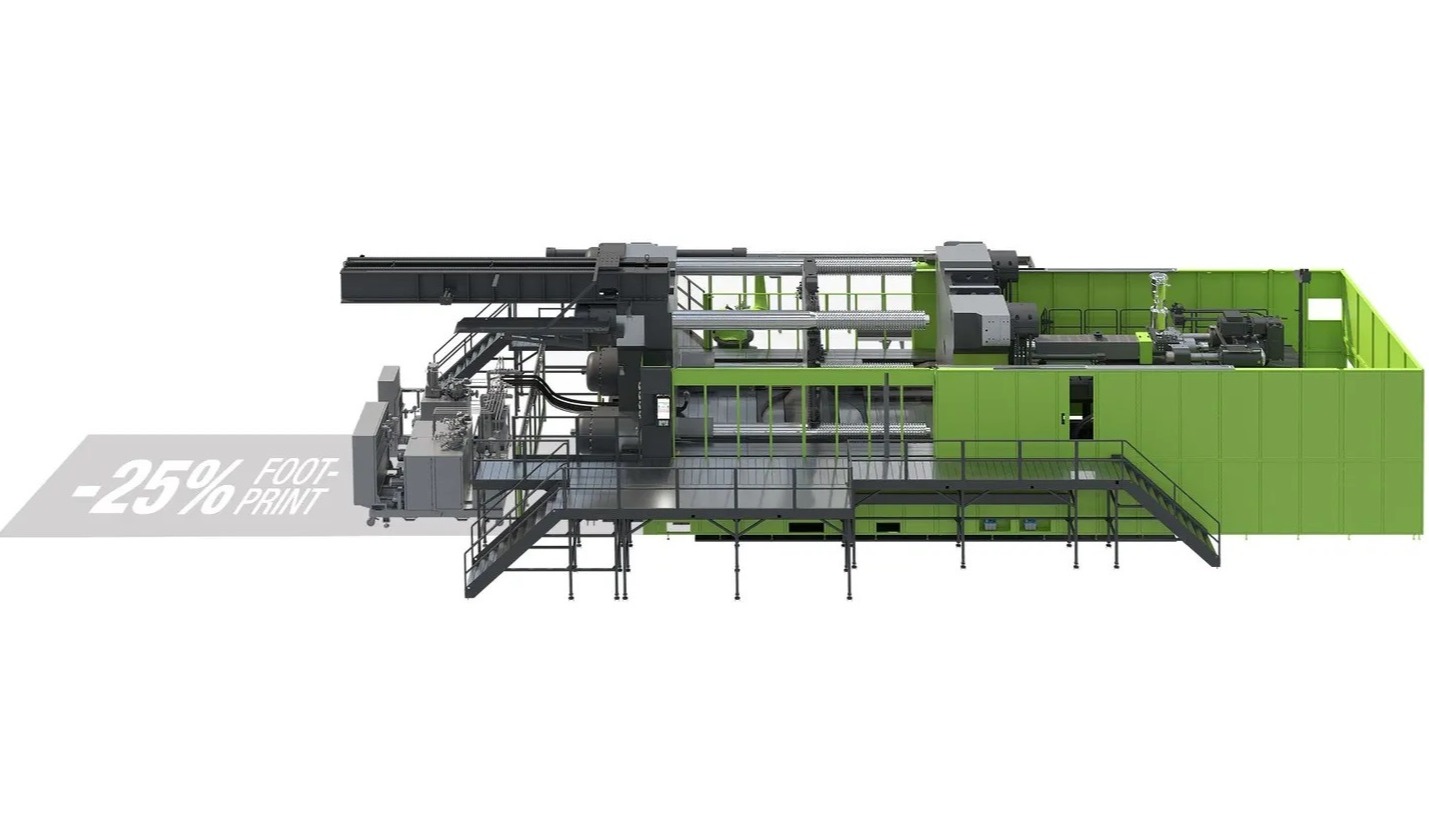
Compact design: Space-saving and highly efficient.
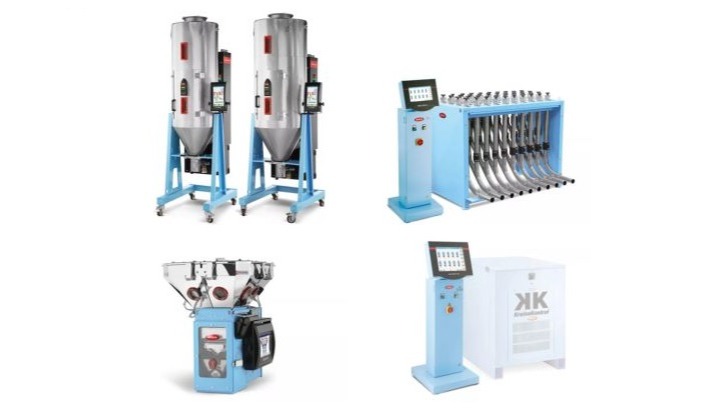
Auxiliary equipment energy savings: Optimize the entire system with improved energy efficiency for temperature controllers, dryers, cooling systems, and more.
Trend 9: Multi-Material Molding and Integrated Functionality
#Multi-Material Injection Molding #Multi-Layer Blow Molding #Multi-Layer Vacuum Forming #Integrated Injection and Compression Molding
As end products evolve to become more structurally complex, multifunctional, and lightweight, the traditional model of “single material + multiple processing steps” can no longer meet the demands for high precision, efficiency, and low cost in mass production.
The adoption of multiple materials and the integration of equipment functions are emerging as key trends to overcome product design limitations and streamline the critical path from R&D to mass production.
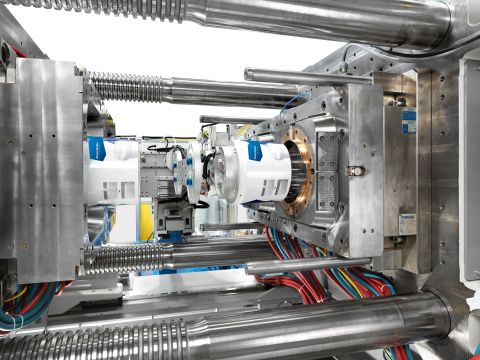
Multi-material injection molding: Processing materials with different properties in a single process to enhance design flexibility.
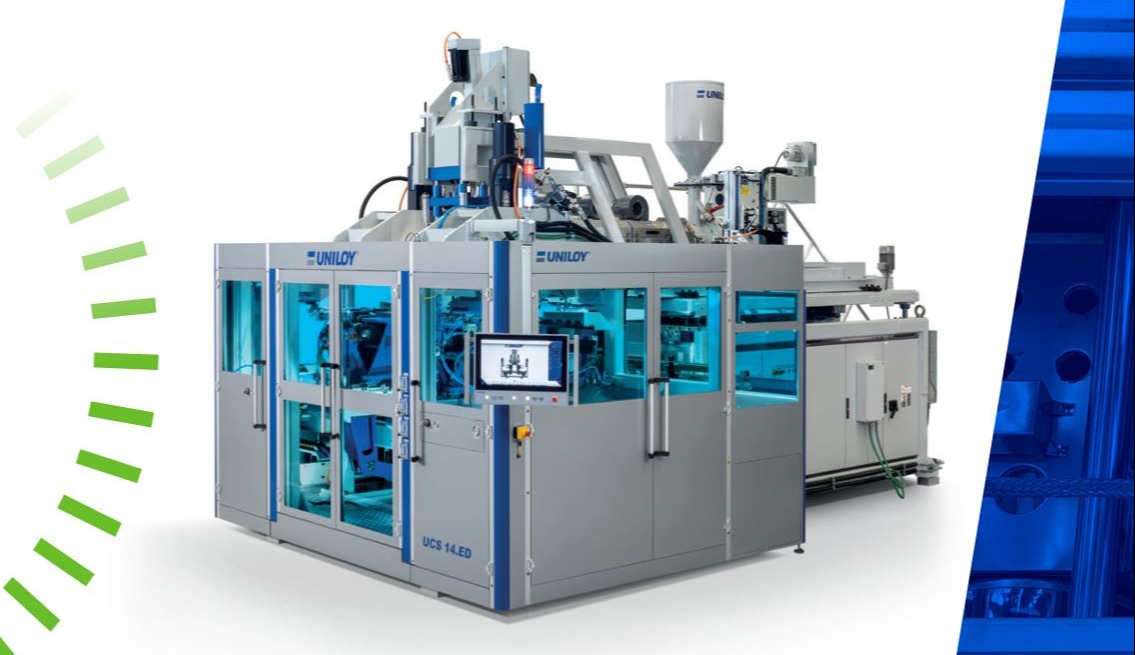
Multi-layer blow molding and vacuum forming: Achieving lightweight designs while strengthening core functions such as barrier and impact resistance.
Integrated injection molding and compression molding: Reducing production cycles and improving efficiency and precision.
Trend 10: Enhanced Precision and Durability of Hot Runners
#Coating #High-Cavity Molds #High-Precision Hot Runners
The widespread use of high-performance modified plastics in high-end sectors like automotive, electronics, and healthcare requires processing conditions that exceed those of general plastics, demanding upgrades in the precision and wear resistance of hot runner systems.
Coating: Enhance wear resistance and corrosion protection, extending the lifespan of molds.
High-cavity mold design: Improve production efficiency.
High-precision hot runners: Ensure accurate temperature control in the flow channels, enhancing molding quality to meet high-end application requirements.
Read the Top Ten Technology Trends in Rubber and Plastics 2025 report: Click
Call for product/project case studies
The top technology 10 trends stem from the innovations of global industry leaders. To showcase more pioneers, we are launching the “Top 10 Technology Trends in Plastics and Rubber 2026” initiative to collect product and project case studies.
Through expert reviews and industry voting, the outstanding case studies of the top 10 technology trends will:
Be featured in the “Top 10 Technology Trends in Plastics and Rubber 2026” report.
Be presented to the global plastics and rubber industry in both Chinese and English.
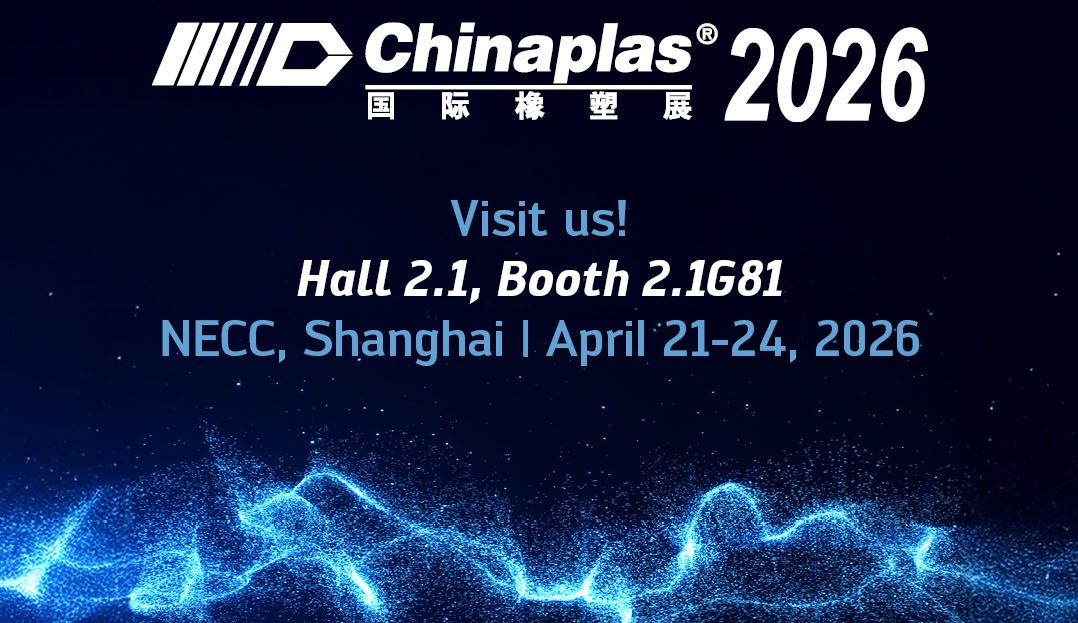
If the selected companies participate in CHINAPLAS 2026, judging experts will visit their booths for research and in-depth discussions.
This selection process adheres to principles of fairness and public interest, and no fees will be charged to participating companies. The detailed process is as follows:
Submission
Target participants: All companies involved in the production of plastics and rubber materials, processing equipment, and related applications.
Period: From now until February 25, 2026.
How to participate:
Click the link https://www.adsalecprj.com/en/survey/survey_detail/555.html or scan the QR code below to access the submission page.

Selection
Expert Review (50%): The Review Panel of over 20 judging experts from packaging, automotive, electronics, recycling, academia, and associations will evaluate submissions based on technological advancement, innovation, and application value.
Online Voting (40%): Open to the entire plastics and rubber industry.
Event committee voting (10%): Ensures fairness and comprehensiveness in the selection process.
The evaluation will be based on a 100-point system.
Result announcement
Date: April 9, 2026
(Note: Specific date may be adjusted based on actual circumstances.)