





Indonesia forges green future for packaging and automotive industries

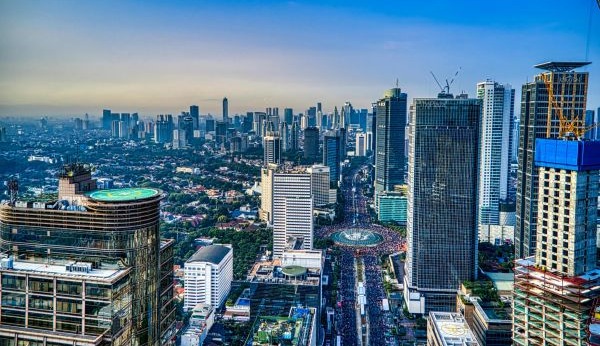
As the largest economy in Southeast Asia, Indonesia is in an advantageous position as one of the world’s fastest-growing consumer markets.
Rapid urbanization, growing purchasing power with penchant for sophisticated, eco-friendly products, and government-initiated policies supporting smart manufacturing process and sustainable technologies are the factors of the rapid growth in packaging and automotive industries. These also boost the demand on plastics and rubber.
Continuous growth in plastics market
Indonesia’s plastics market size is projected to grow at a CAGR of around 6% during the period 2025-2033, according to a report by IMARC Group. This is expected to translate to a market value of US$14 billion by 2033.
Contributing to this substantial increase is the rising demand from diverse end-use sectors, particularly packaging and automotive. In addition, the current pace of urbanization that encourages infrastructure development is pushing plastic consumption in construction and housing applications, further augmenting the Indonesia plastics market share, according to the report.
For production method, injection molding retains its lead with nearly 50% of the Indonesia plastics market supplied with injection molded products, owing to its versatility in the production of packaging, automotive and household products.
Extrusion process ranks next as it is the method of choice in the production of plastic films, pipes and profiles; while blow molding is being utilized in the production of beverage containers, personal care and other related products.
Strategic investments in packaging for sustainability
To move towards circular economy, Indonesia has made the Extended Producers Responsibility (EPR) regulations mandatory in 2025, which requires producers to manage their plastic waste throughout the supply chain to reduce its impact on the environment. This law has created demand for environmentally-friendly materials that enables the production of green packaging.
Several strategic investments in state-of-the-art production facilities are empowering growth of green packaging sector. AeroFlexx and Dynapack Asia have teamed up to deliver sustainable liquid packaging solutions. AeroFlexx’s technology enables lightweight flexible package designed to act like a rigid bottle using up to 85% less virgin plastic than traditional ones. Partnering with Dynapack Asia, a manufacturer of rigid plastic packaging and components, responds to the growing demand for sustainable rigid packaging options.
Indonesia also sees its first end-to-end aseptic packaging factory inaugurated in the second phase of facility of PT Lami Packaging Indonesia, a major provider of high-quality, green aseptic packaging solutions. This also marks the first international expansion for the LamiPak Group, headquartered in Jiangsu Province, China. The aseptic packaging factory is equipped with high-tech machinery, with a total annual capacity of 21 billion packs.
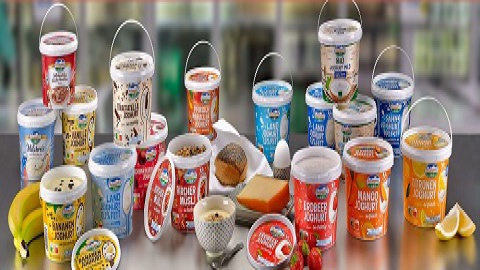
Indonesian companies have also worked with international partners to develop sustainable packaging. One of them is PT Indoceria Plastik and Printing, which introduced full-PE recyclable packaging together with ExxonMobil. By removing some other plastic constituents such as PET without sacrificing packaging integrity, the full-PE stand-up pouch can be recycled with related recycling facilities.
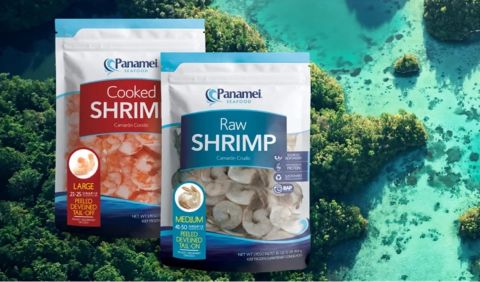
PT Indoceria Plastik and Printing introduced full-PE recyclable packaging. (Source: ExxonMobil)
Lightweight plastics empowering automotive industry in electrification
The Indonesian government has set an ambitious goal of deploying 2 million electric vehicles (EV) and 12 million electric two-wheelers by 2030 to reduce carbon emissions. This attracts foreign EV manufacturers to enter Indonesian market, boosting demand for domestic auto parts, particularly lightweight, high-performance plastics that replace metal.
Innovative features and comfort along with price competitiveness are factors that have augured well for EVs from China. Wuling Motors Indonesia, which celebrated its 8th anniversary in 2025, continues to affirm its commitment to offer new products to the Indonesian market while also implementing various initiatives, such as the export of EVs to Sri Lanka and strengthening its CSR programs. Wuling Indonesia’s success is emphasized by the presence of its factories and assembly facilities for EV batteries in the country. Wuling Motors has also recently launched Wuling Darion, the latest product line in the form of a sliding door MPV medium at the Spike Air Dome PIK2.
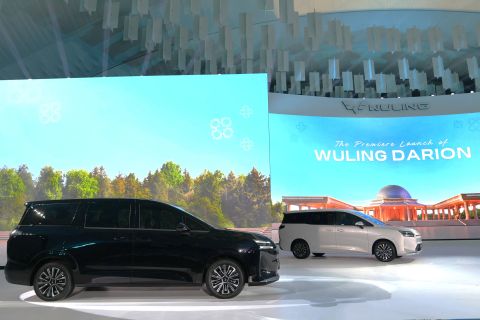
Wuling Motors Indonesia launched Wuling Darion, its latest product line as part of its electrification journey. (Source: Wuling Motors Indonesia)
Indonesian state-owned defense company PT Pindad has signed a Heads of Agreement with South Korean automaker KG Mobility (KGM) Company in May 2025, for the production of vehicles for the Indonesian market. The agreement focuses on two key areas: the local assembly of KGM’s Rexton SUV, as well as the development and production of battery-powered buses for the local market.
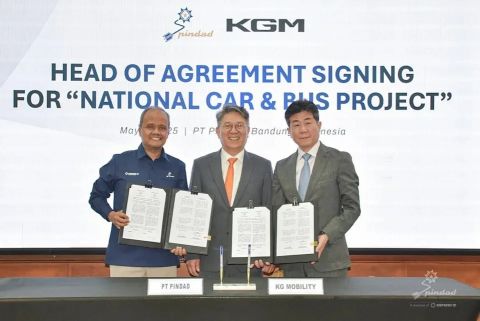
KG Mobility (KGM) Company and PT Pindad signed a Heads of Agreement for the production of vehicles for the Indonesian market. (Source: KG Mobility)
Another partnership is between Indonesian consumer electronics manufacturer Polytron, owned by the local Djarum Group, and China’s Skyworth Automobile Intelligence Company Ltd., for the launch of a locally-assembled battery electric vehicle (BEV) model. Polytron has become the first Indonesian company to launch a locally branded BEV based on the Skyworth K model with a driving range of 402 km and is powered by lithium ferro phosphate (LFP) 52 kW batteries.
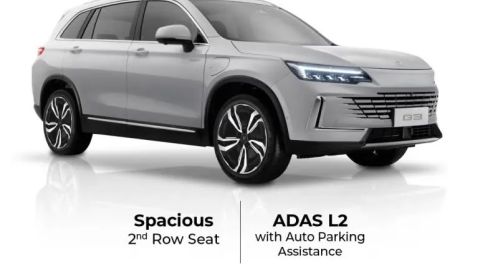
Polytron and Skyworth Automobile Intelligence Company Ltd., team up for the launch of a locally-assembled battery electric vehicle (BEV) model. (Source: Polytron)
HLI Green Power is Hyundai Motor Group's subsidiary in Indonesia that produces battery cell. Mass production of the Kona, an EV model, will start under this subsidiary. The project is seen as an important step for Hyundai Motor in setting up an integrated production and sales system overseas – from battery raw material procurement to the final finished electric vehicle.
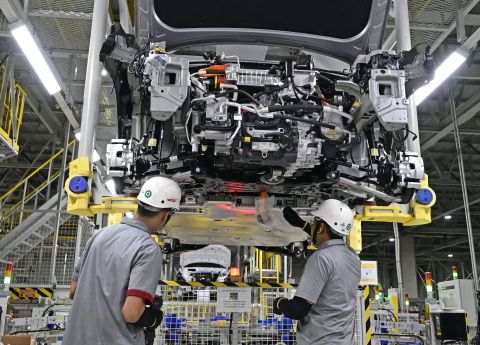
Hyundai Motor Group’s subsidiary in Indonesia targets to mass produce an EV model. (Source: Hyundai Motor)
CHINAPLAS 2026: A stage for innovative plastic solutions and manufacturing technologies
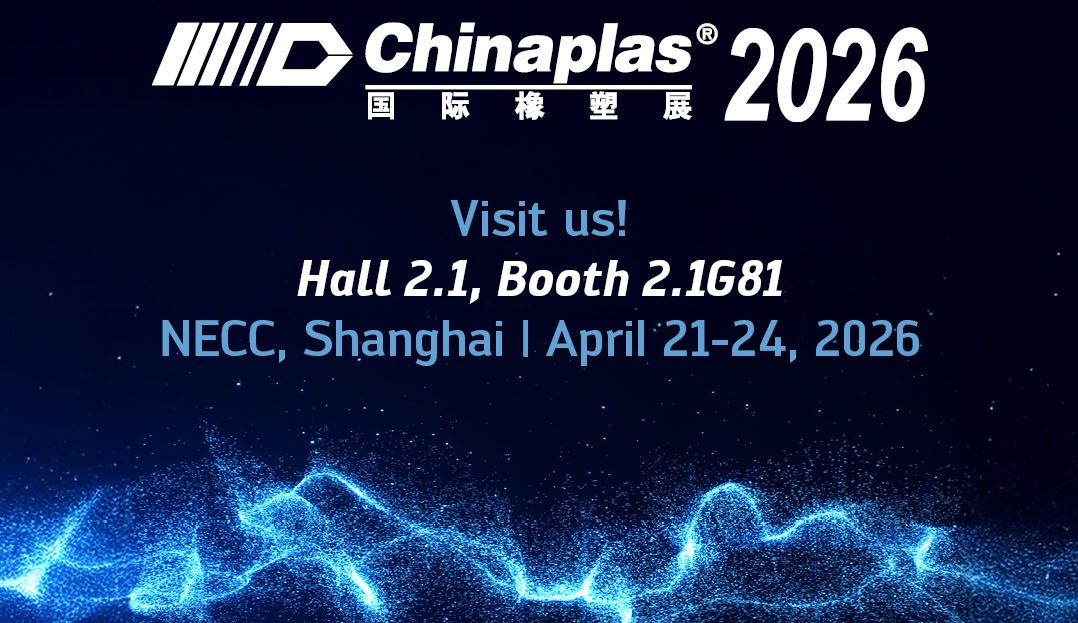
At CHINAPLAS 2026, which will take place in Shanghai, China on April 21-24, more than 4,600 exhibitors will present their latest innovations to support development of innovative technologies in Southeast Asia’s fast-growing plastics industry. Packaging and automotive manufacturers will be able to witness the demonstration of highly innovative solutions, manufacturing processes and high performance materials, which will help them stay competitive and meet market challenges.