















Kistler’s cavity pressure sensor for injection molding trainings

Kistler, a global leader in dynamic test and measurement technology, and FimmTech, a California-based training organization that specializes in plastics injection molding, have entered a strategic partnership.
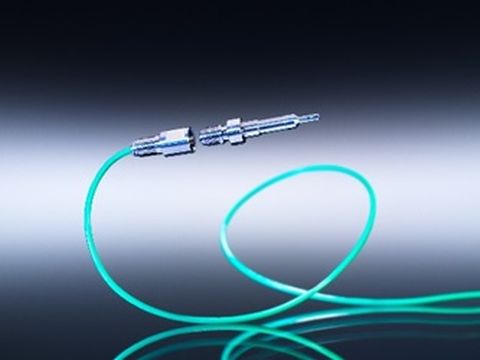
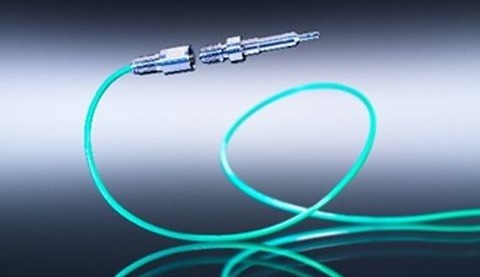
Real-time process data is delivered directly from inside the mold by cavity pressure sensors from Kistler, forming the foundation of data-driven quality control.
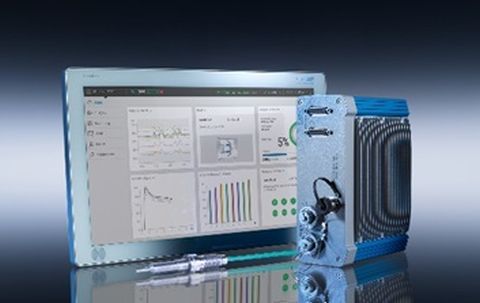
The process monitoring system from Kistler captures real-time cavity pressure curves, providing molders with the data they need to make immediate, informed process decisions.
Through this collaboration, cavity pressure sensors and process monitoring systems from Kistler are integrated directly into FimmTech's injection molding seminars, connecting measurement-based process control with practical, hands-on training.
“We have seen firsthand how processors sometimes struggle when they have the equipment but not enough process knowledge to use it effectively, or when they have the knowledge but lack the tools. This partnership provides both simultaneously for deeper process understanding and effective use of the technologies,” said Suhas Kulkarni, President at FimmTech.
Cavity pressure technology is a must-have technology, especially when it comes to precision molding, such as in medical products where there are several dimensions that need Cpks upwards of 1.33. Molders struggle with parts where the process windows are very small because of the nature of the part or mold design. The use of cavity pressure technology is the perfect solution for this.
Hands-on practices within scientific molding principles
During these practical sessions, attendees observe real-time cavity pressure curves and learn how to interpret them to determine part quality.
Using actual data, they practice switchover optimization, where they experience firsthand how small adjustments can affect the entire process and how to identify the optimal transfer point. By analyzing process variation and stability across multiple cycles, attendees gain an understanding of what a controlled, repeatable process looks like in practice.
Since traceability is an increasingly critical requirement in modern manufacturing, participants also learn how to capture, store, and structure process data to meet documentation and compliance demands.
Kistler also contributes technical knowledge and application insights, ensuring that the measurement data is not only visible but fully interpreted within the context of scientific molding principles.