

















Clariant catalysts continue to shrink carbon footprints

Clariant announced that its catalysts had enabled significantly higher emission reductions in 2025 compared to the previous year. Avoided greenhouse gas emissions amounted to 45 million tons of CO2e, 5 million tons higher than in 2024.
The emission reductions were made possible by the company's innovative technologies, such as reforming catalysts for producing direct reduced iron (DRI) and nitrous oxide abatement catalysts for nitric acid plants, as well as syngas catalysts for producing green methanol either through electrolytic hydrogen from renewable electricity or from bio-feedstocks.
Additionally, Clariant's catalysts for refinery off-gas purification contributed to these avoided emissions, helping refineries and crude-to-chemical complexes reduce their environmental footprint. The DRI process, as one example, has only half of the CO2 intensity compared to conventional steel production.
Green methanol projects in 2025
While the majority of carbon savings come from established industrial processes, novel and unconventional applications are gaining increasing attention.
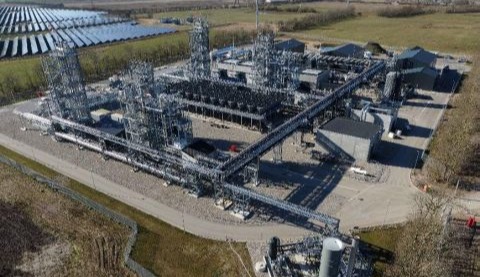
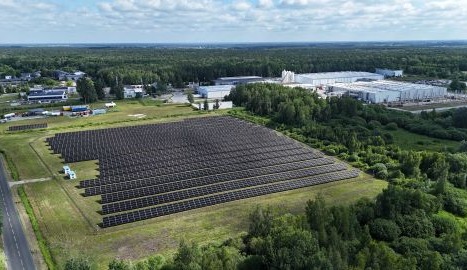
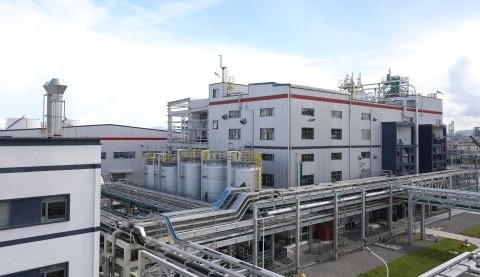
Year 2025 marked a significant milestone with the successful startup of two lighthouse green methanol projects: European Energy's e-methanol plant, which converts biogenic CO2 and green hydrogen using our MegaMax catalysts, and Shanghai Electric's bio-methanol facility that uses farm waste to produce methanol.

European Energy’s e-methanol plant in Kasso, Denmark. (Source: European Energy)
Both demonstrate the commercial viability of sustainable methanol production at scale. As frontrunners in this transformation, Clariant's catalysts are already enabling the production of greener chemicals today, paving the way for a lower-carbon future.