





















AkzoNobel achieves carbon reduction target ahead of schedule

AkzoNobel announced that it has achieved its 2030 ambition of halving carbon emissions in its own operations. Reaching four years ahead of schedule, this achievement highlights how strongly sustainability has become part of AkzoNobel’s day-to-day business.
Validated by the Science Based Targets initiative, AkzoNobel set a target in 2020 to lower its Scope 1 and 2 emissions by 50%, with 2018 as a baseline.
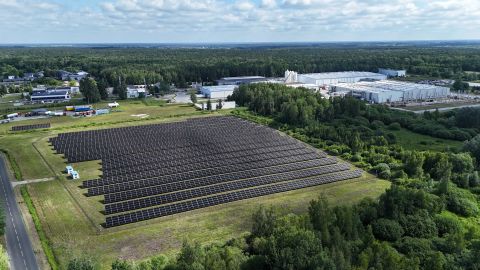
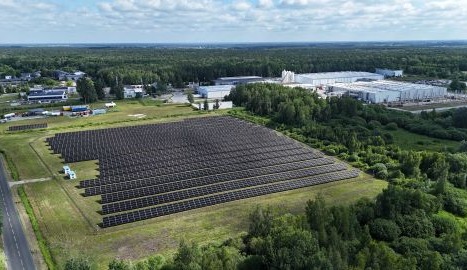
Pilawa site in Poland holds AkzoNobel’s largest solar energy plant in Europe.
AkzoNobel is currently operating on 100% renewable electricity on three continents – North America, Latin America and Europe – covering 69% of its manufacturing sites. The full switch over was also recently completed in South Africa and Vietnam. In total, 92 of the company’s locations now use 100% renewable electricity.
One of the most important contributions to achieving the 2030 Scope 1 ambition has come from the Pilawa site in Poland, where a recent EUR 1.7 million investment was made to replace the facility’s gas boilers with heat pumps.
The site is also home to the company’s largest solar energy plant in Europe. The installation has been operational since 2024 and features 3,551 solar panels.
AkzoNobel’s sustainability commitment goes beyond its own operations. The company also has a 2030 ambition to halve carbon emissions across our full value chain.
“That’s proving to be more of a challenge, but we’re making progress and will continue to innovate with suppliers, customers and other partners as we step up our efforts around Scope 3,” commented Wijnand Bruinsma, AkzoNobel’s Director of Sustainability.
A recent example is the Eco+ Cure energy calculator launched by the company’s Interpon powder coatings brand. It can help customers to reduce energy consumption, lower operating costs and reduce carbon emissions by analyzing operational data such as gas usage, oven temperature and throughput.