










ENGEL sets up clearmelt Competence Center to reduce project complexity

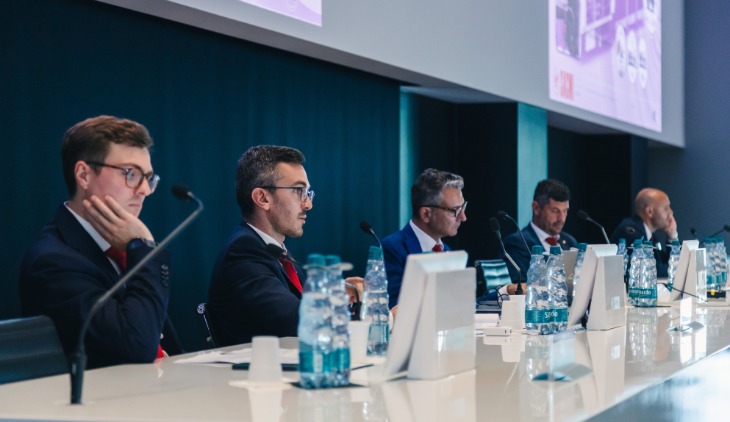
From 29 June to 2 July 2026, the ENGEL Surface Innovation Days 2026 took place at mold maker INEVO in San Polo di Piave. The focus: flooding of components with polyurethane in the ENGEL clearmelt process, which produces scratch-resistant, self-healing Class A surfaces for large exterior components directly in the injection mold, without downstream painting or coating steps.
Expert presentations by INEVO, ENGEL, Borealis, Mankiewicz and DNP, together with a multi-hour live demonstration on an ENGEL duo 4000 combi M two-platen injection molding machine with 40000 kN clamping force, illustrated the high level of industrial maturity the technology has now reached for bumpers, bonnets, doors, roof modules and front and rear modules.
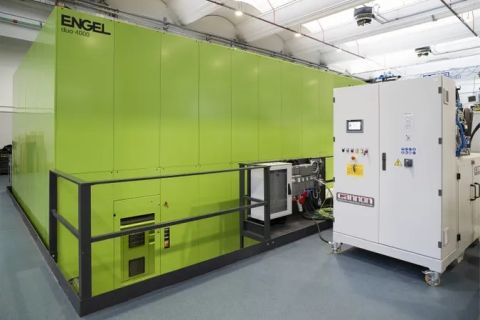
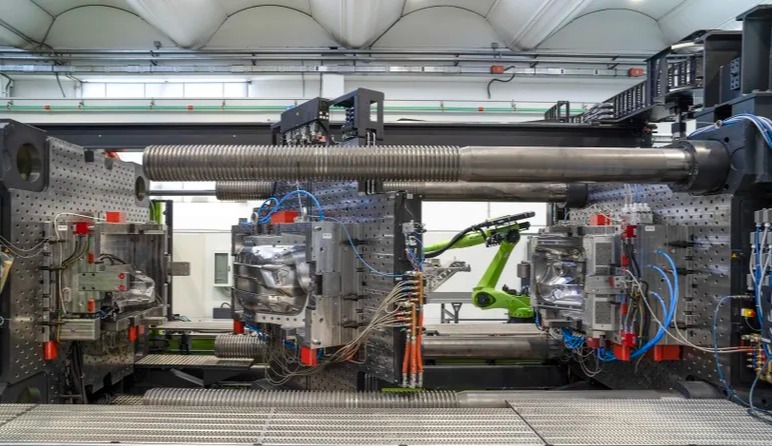
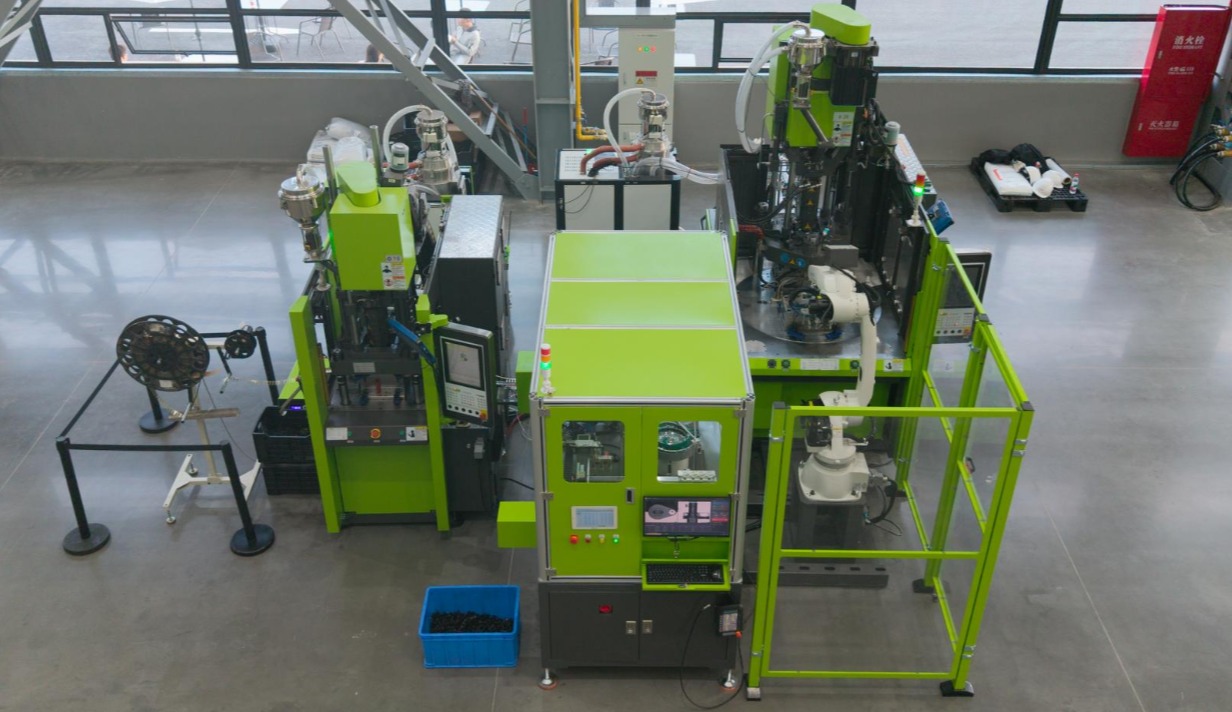
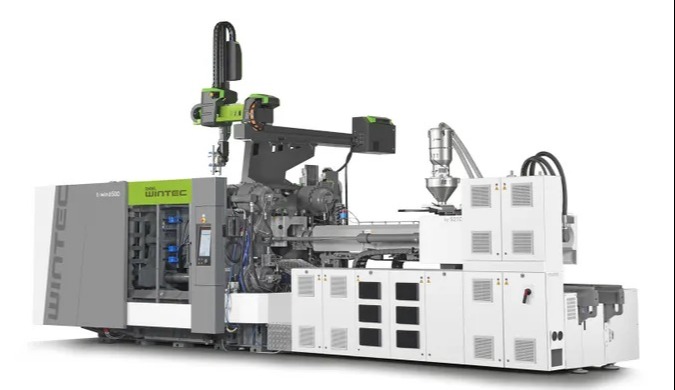
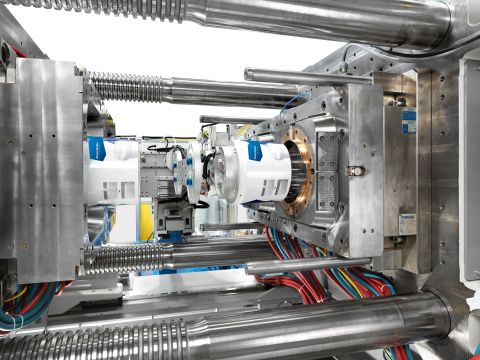
The ENGEL duo 4000 combi M in INEVO’s technical center is available to processors and OEMs for mold sampling and pre-series trials.
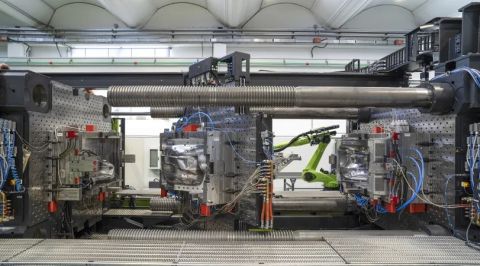
Mold area of the ENGEL duo 4000 combi M.
clearmelt Competence Center: Reducing complexity in clearmelt projects
Under the title “One Partner, One Solution: A New Era of Polyurethane Surfaces with ENGEL and the CCC”, ENGEL outlined how machine, mold, material and metering technology for clearmelt applications can be brought together within a single organization.
With the clearmelt Competence Center (CCC), ENGEL assumes overall responsibility as a system supplier. Processors thus have a single point of contact throughout the entire project, from the concept phase through feasibility assessments and mold sampling to series production. This shortens coordination loops, reduces technical risks and accelerates time-to-market.
The CCC operates internationally. Teams in Europe, North America and Asia collaborate across locations on applications, test planning and system design.
For trials, a broadly equipped range of systems is available in St. Valentin alongside an ENGEL duo 5500 with 55000 kN clamping force, supplemented by additional capacities in Schwertberg as well as at partner mold makers and material manufacturers, including in Asia and North America. Trials can thus be placed flexibly, depending on component size, material system and logistical constraints.