
















Top 10 technology trends: Fast AI evolution

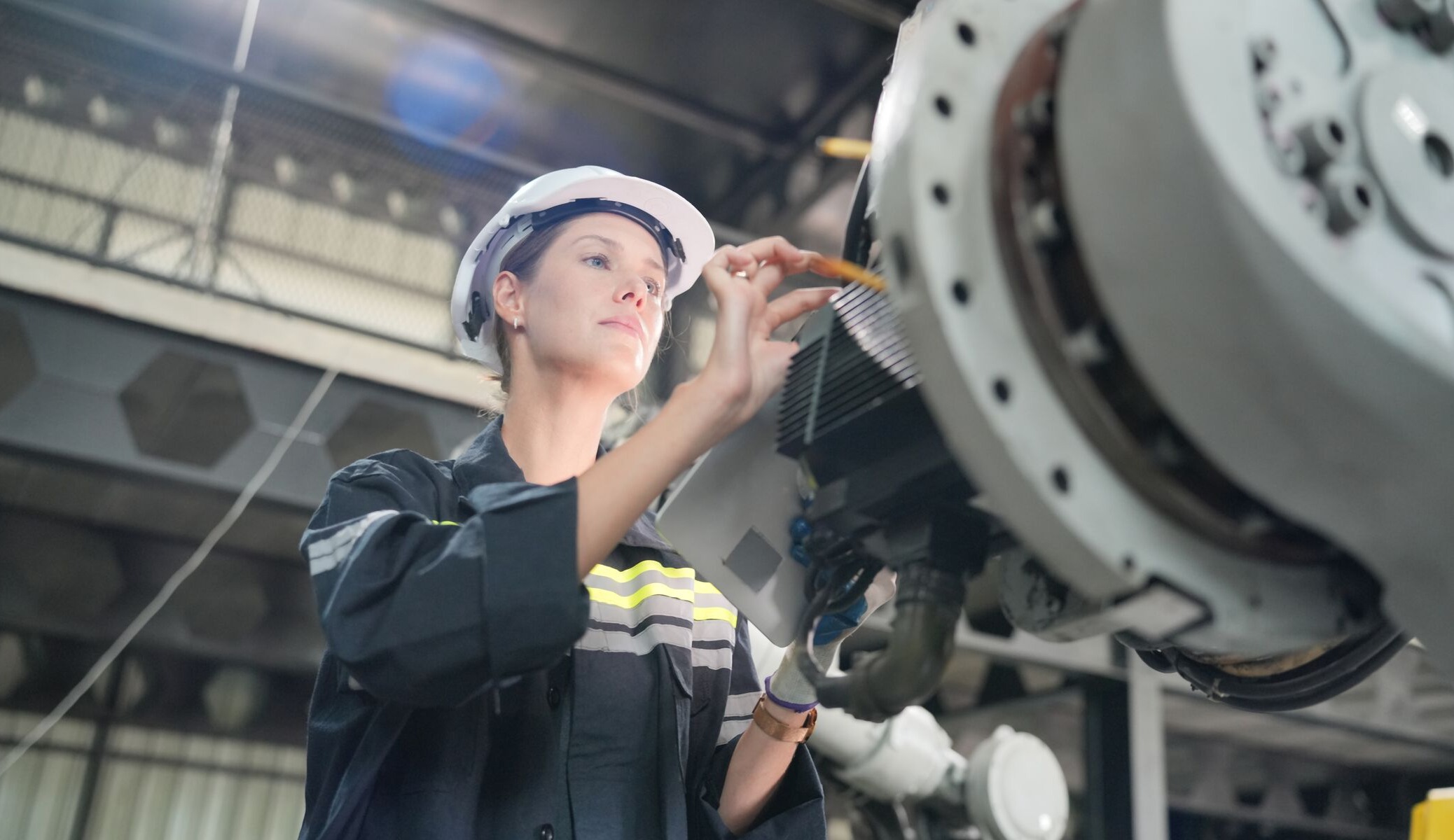
Over the past three years, AI in the plastics and rubber industry has primarily been deployed as discrete “functional modules”, such as automated visual inspection, data dashboards, and predictive maintenance. In most cases, AI has functioned as a narrow optimization tool, driving incremental improvements and supporting isolated segments of the production process.
However, the case studies in the 2026 Top 10 Technology Trends in Plastics and Rubber Report highlight a rapid evolution: AI is shifting from isolated tool deployment toward a systemic enhancement of manufacturing capabilities, fundamentally reshaping the plastics and rubber value chain along three distinct pathways.
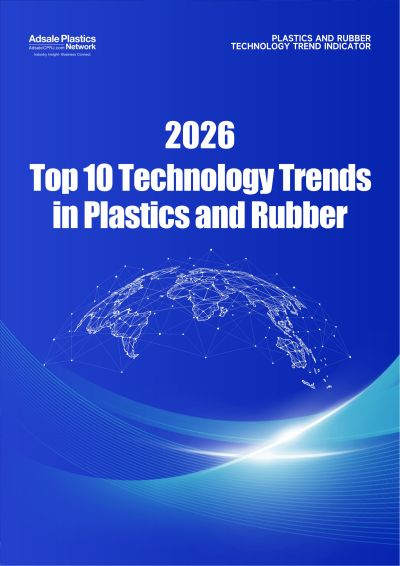
Click "HERE" to read the eBook of “2026 Top 10 Technology Trends in Plastics and Rubber Report”.
Pathway 1: From human-dependent to system-driven
This represents the most structurally significant evolution of AI within the industry. Rather than merely introducing discrete software functions, it codifies production processes that once depended on individual expertise and tribal knowledge into intelligent, scalable systems.
The six cases along this pathway illustrate progress across three levels:
1. Transforming human experience into models.
2. Enabling production processes to self-sense and self-adjust.
3. Coordinating the entire factory at the system level.
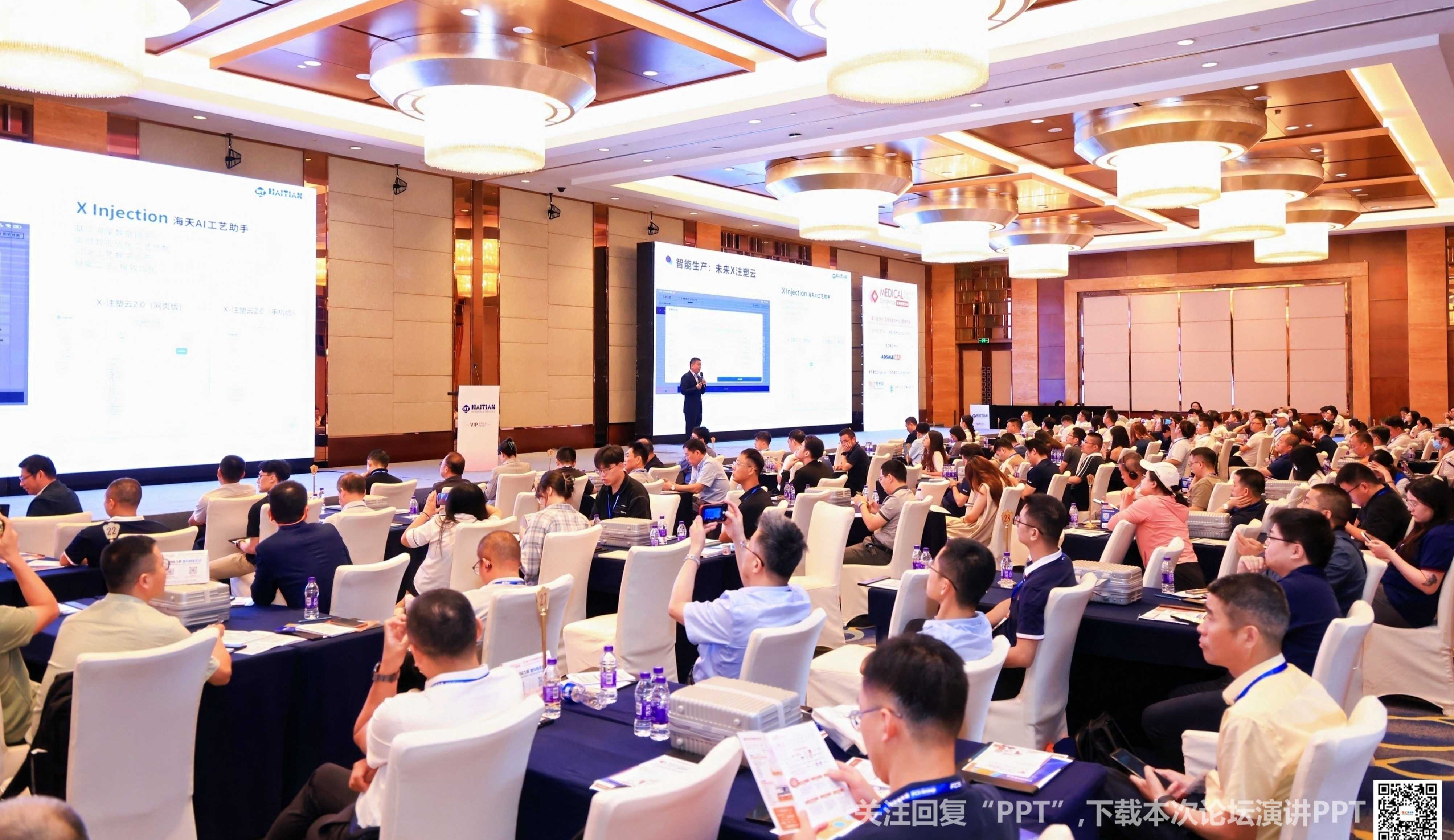
Haitian: X-Injection
By leveraging "dual-model intelligence" (first-principle model + distilled empirical model), it converts implicit process experience into algorithmic features. With an AI-powered first-mold setup recommendation and a defect-resolution module, new technicians can achieve mold-setting capabilities at a “senior-technician” level. In blind tests, it helps resolve 75% of defects and reduces defect rates by 90%.
MoldBao: AI-Based Optimization Solution
By further pushing AI into the mold-processing design stage and integrating knowledge graphs, reinforcement learning, and RAG technologies, the solution shortens the process-planning cycle by 20%-30% and increases first-pass yield by 15%-20%.
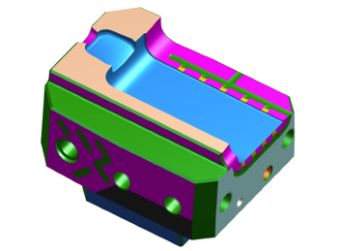
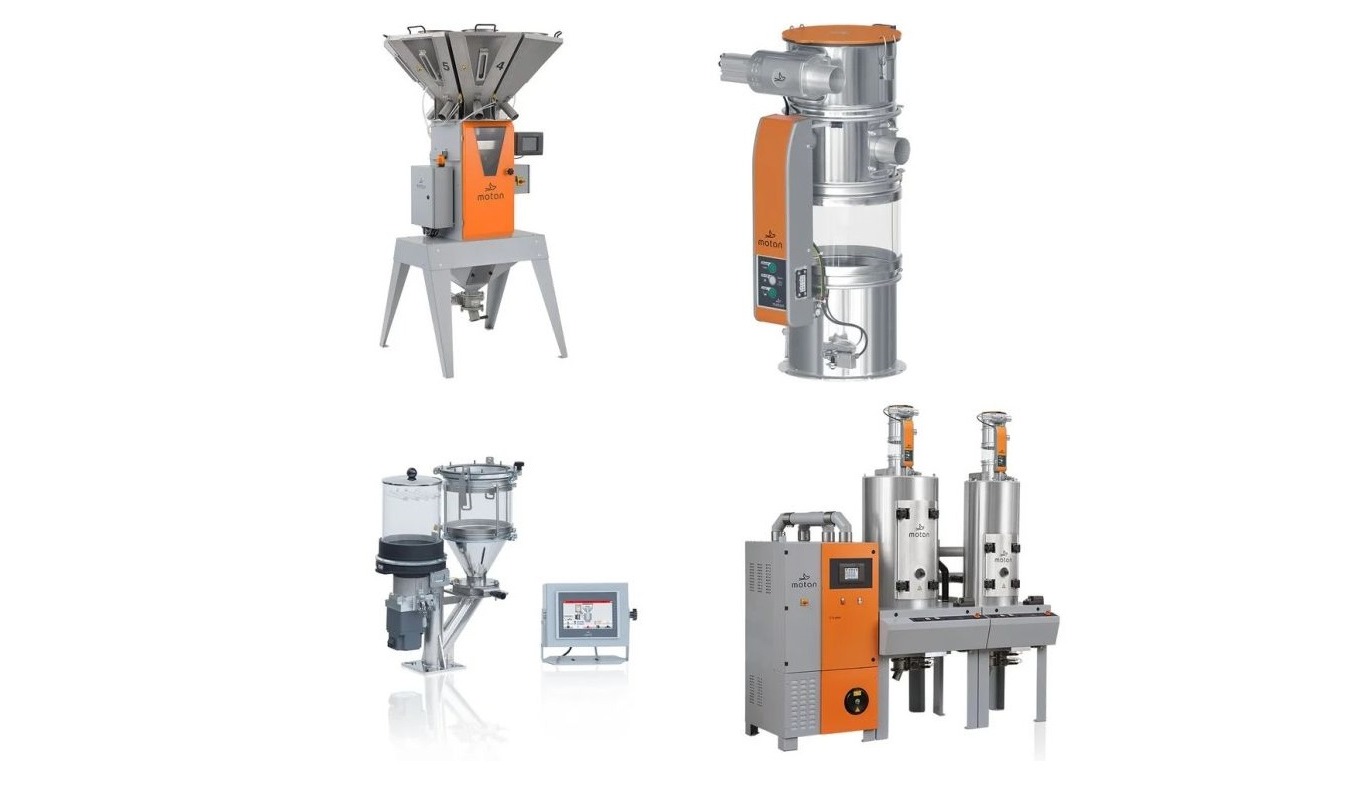
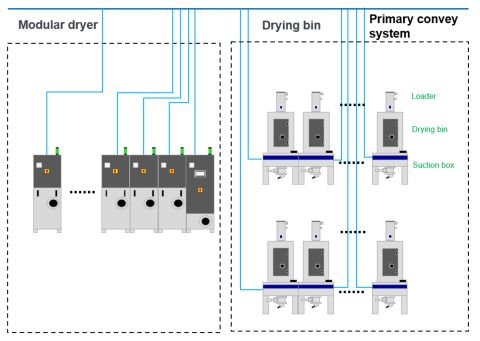
motan: Uninterruptible Neural System
With true distributed intelligence and a triple-redundancy mechanism, the auxiliary equipment achieves "nuclear-grade" reliability and provides high-quality data for carbon-footprint tracing.
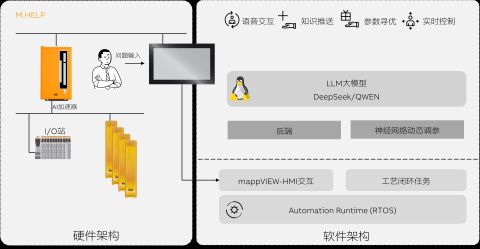
B&R: MHelp
By integrating offline AI with natural-language interaction, it reduces traditional on-site commissioning time from 3–7 days to one day or even several hours, enabling field maintenance personnel to independently perform complex diagnostics.
Windmöller & Hölscher: Easy2 Run
Introducing the “co-pilot” concept into film production lines, it automatically pushes production towards maximum capacity within safe limits by real-time identification of the frost line, bubble shape, and power reserves.
Shuyilink: Global Digital Factory Solution
Leveraging 5G, industrial big data, APS advanced scheduling, and AI industrial models, it enables cross-factory and cross-equipment data connectivity and collaborative decision-making. Among enterprises where the solution has been implemented, order delivery efficiency increased by 35%, changeover time was reduced by 50%, and the per-unit product traceability rate reached 99.9%.
From Haitian’s single-machine parameter optimization to B&R’s multi-machine maintenance, and further to Shuyilink’s plant-wide collaboration, the same underlying logic is being replicated at different scales: shifting production from being “people-dependent” to “system-driven”.
Single-point intelligence improves efficiency, while factory-level collaboration determines scalability capacity—becoming the real dividing line for large manufacturing enterprises in the next stage of competition.
Pathway 2: From experience-based to data-driven
While visual inspection and sorting represent some of the earliest mature AI applications in the plastics and rubber industry, the year 2026 marks a distinct paradigm shift. Instead of merely functioning as “static defect detection tools”, modern AI vision systems have entered a self-optimizing loop characterized by “continuous learning, automated refinement, and deep system integration”.
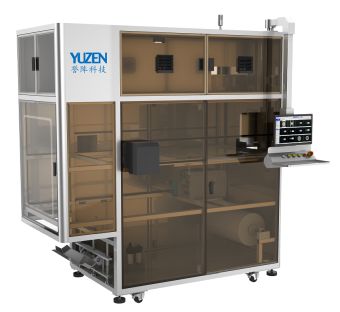
Yuzhen: Integrated Inspection and Packaging Machine
Adopting a vertically integrated modular design and a zero-shot industrial foundation model, it addresses the challenge of deploying AI quality inspection for small and medium-sized manufacturers, achieving an inspection accuracy of over 99.5%.
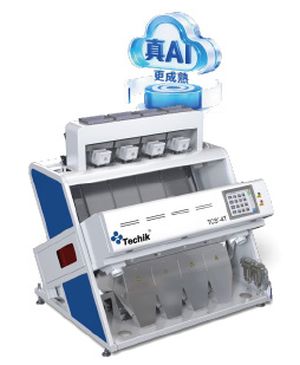
Techik: Intelligent AI Chute-Type Visual Sorter
Featuring multi-spectral and ultra-high-definition AI visual algorithms, this system extends sorting capabilities to recycled plastics and complex material scenarios while supporting self-evolving recognition accuracy.
Driven by the dual pressures of yield competition and sustainability compliance, advanced quality identification will become a standard feature in next-generation plastics and rubber factories. AI vision is no longer just a tool for basic pass-fail sorting; it has evolved into a system-level capability that continuously learns, integrates seamlessly into production lines, and supports comprehensive lifecycle quality management.
Pathway 3: From robotic arms to adaptive execution units
AI is transforming automation equipment from “deterministic motion execution systems” into “intelligent, task-oriented execution platforms”. At its core, this shift reflects a new industrial reality: as manufacturing environments become increasingly unpredictable, traditional automation systems relying solely on fixed, pre-programmed pathways are no longer sufficient.
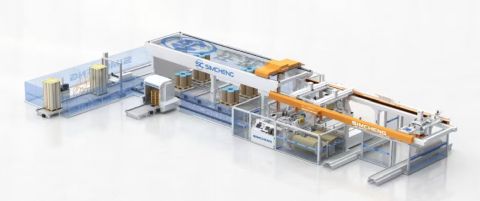
Simcheng: Intelligent Packaging Robot
Through deep integration with ERP systems, this solution connects slitting, packaging, labeling, and palletizing into a streamlined workflow, transforming material-handling from simple mechanical motions into intelligent, process-driven tasks.
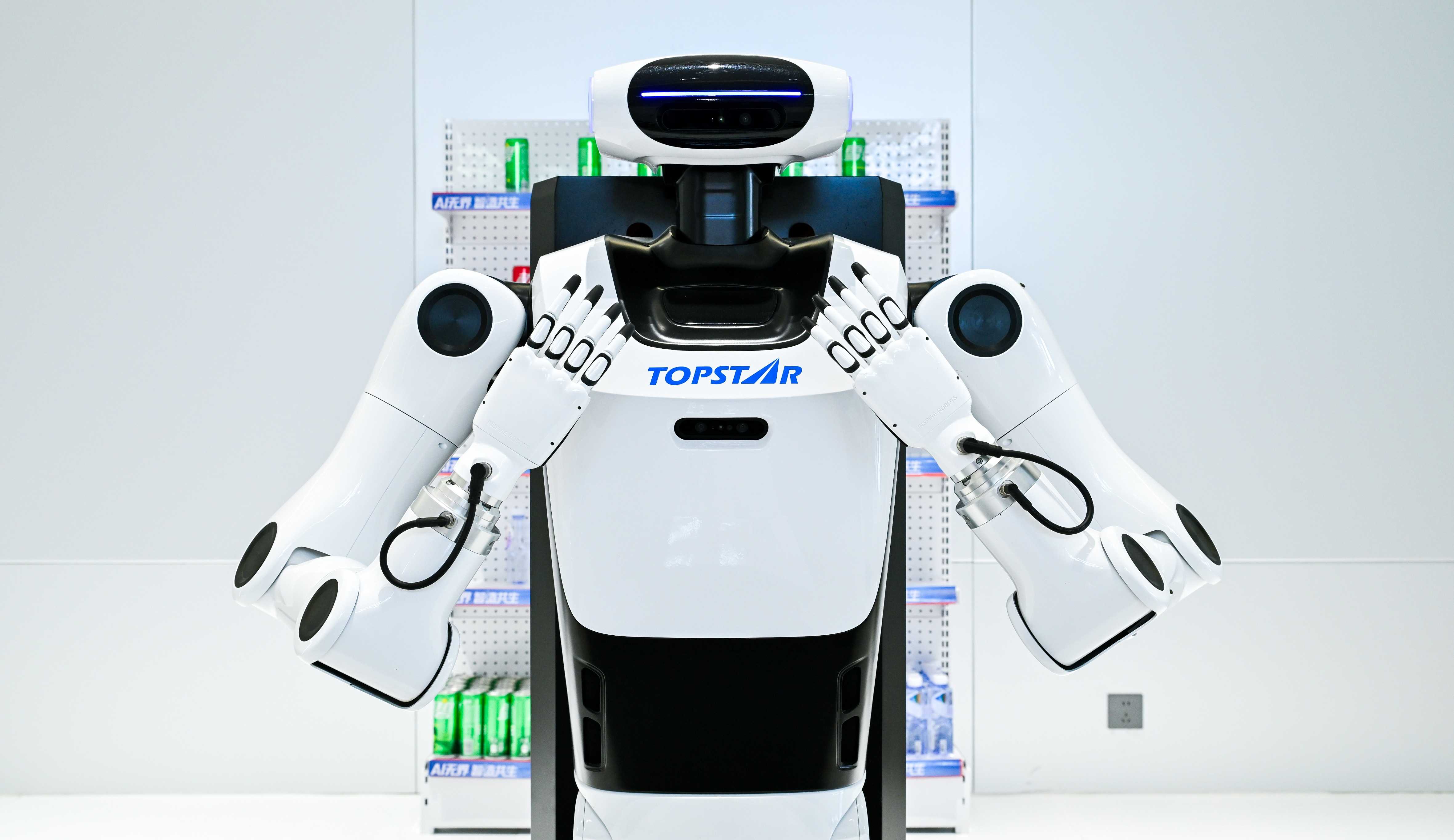
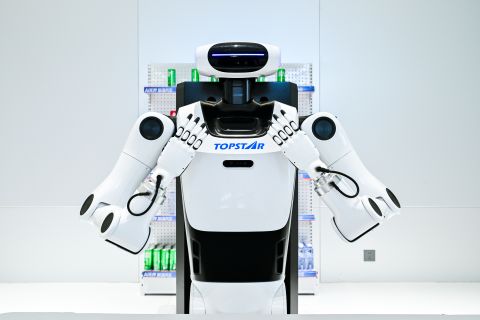
Topstar: Wheeled Humanoid Robot
Equipped with the GLM-4.5 large model, it combines mobility, advanced recognition, and multi-task switching to elevate post-injection-molding processes from rigid, fixed-station automation to highly flexible execution units.
Factory automation logic is being fundamentally reshaped. In the future, the scarcest resource will not be robotic arms, but flexible execution systems that can continuously complete tasks amid unpredictable workplace changes.
As on-site product specifications, order priorities, and process rhythms constantly evolve, the core value of automation is no longer about “working fast”, but about “keeping pace with change”.
Conclusion
The true value of AI in the plastics and rubber industry lies not in the compounding of standalone features, but in the fundamental redistribution of manufacturing capabilities. By institutionalizing experience, ensuring process stability, automating quality control, and enabling flexible execution, AI elevates individual machine intelligence to comprehensive, factory-level collaboration.
Ultimately, AI is shifting the industry’s competitive paradigm from operational excellence to systemic autonomy—marking the most significant implication of AI in 2026.