















Opinion: LEGO’s US$1.5B investment signals a new chapter for the recycling industry

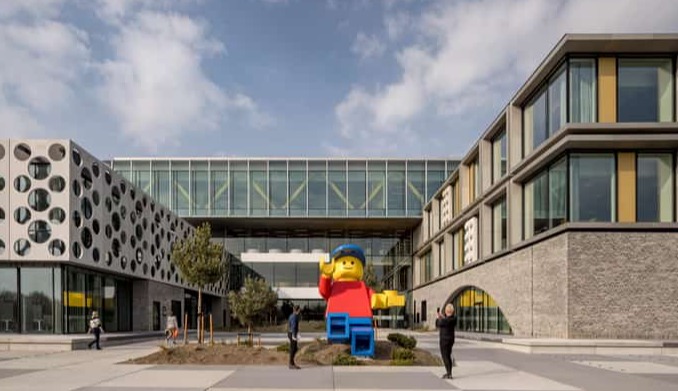
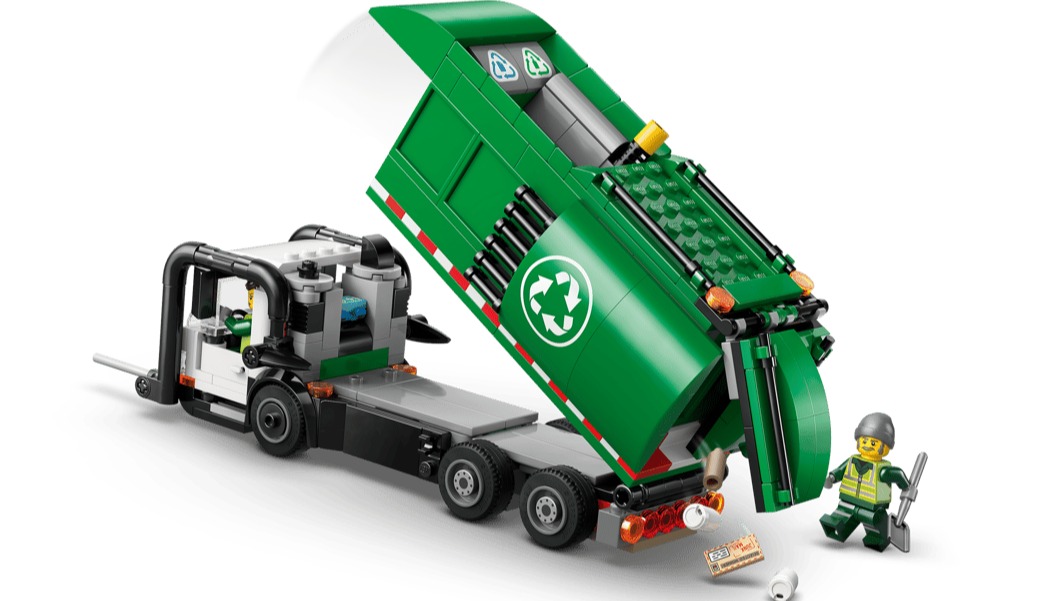
Adsale Plastics Network recently reported on a massive move by KIRKBI Climate (the sustainability investment arm of the LEGO Group’s parent company). They are committing DKK 10 billion (approx. US$1.5 billion) over the next five years to double their climate portfolio, focusing heavily on European markets and plastics recycling projects.
Read the news report: LEGO owner intends to heavily invest in plastics recycling
While news of European recycling plants closing down has dominated recent headlines in the industry, this bold strategy would be a blueprint for the industry’s development. Here is our analysis of why this matters and what it takes to truly unlock the circular economy:
‧ Regulation is the ultimate confidence booster
KIRKBI’s massive capital injection is heavily driven by the tightening of EU regulations like the Packaging and Packaging Waste Regulation (PPWR). As KIRKBI Climate’s CEO Anupam Bhargava noted, this framework creates the predictable market maturity investors need.
However, if the EU wavers or delays enforcement due to industry pushback, investor trust would vanish.
‧ Scattered confidence: A fragmented landscape
The investment climate remains highly polarized. On one hand, we see forward momentum like Covestro opening a chemical recycling pilot plant for elastomers in Germany. On the other, economic pressures forced Lotte Chemical to scrap its PET recycling plant plans in Korea.
Why the disparity? Apart from volatile quality, the cost of recycled plastics remains stubbornly higher than virgin materials (even with Middle East uncertainties narrowing the gap). Without guaranteed demand, macro-scale investments feel like a gamble.
‧ The "business builder" shift: End-user brands must step up
This is the most critical takeaway. KIRKBI is shifting from a passive financial backer to an active "business builder", taking board seats to fix fragmented value chains.
When end-user brands, the ultimate buyers of the materials, invest directly in scaling up recycling technologies, the economics fundamentally change. It secures off-take demand, provides long-term financial viability, and ensures the technology scales to meet actual customer needs.
‧ The path forward
The potential of the recycling market is undeniable, but the timeline depends on two variables: strict regulatory enforcement and how fast consumer giants progress toward their own sustainability goals. LEGO’s active investment model offers a powerful alternative pathway that other global brands should urgently consider.