







Southeast Asia as plastic innovation engine (II): Recycling and sustainable plastic solutions

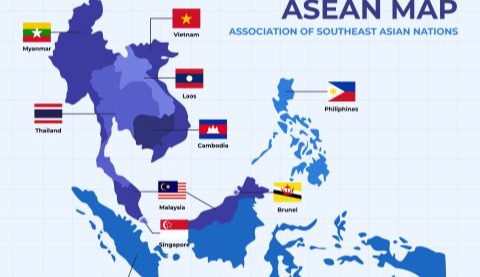
As sustainability concerns are rising rapidly, ASEAN countries also commit in developing plastic recycling system and sustainable plastic solutions.
See also Part 1: EV and medical sectors in ASEAN
Boom in recycling investments
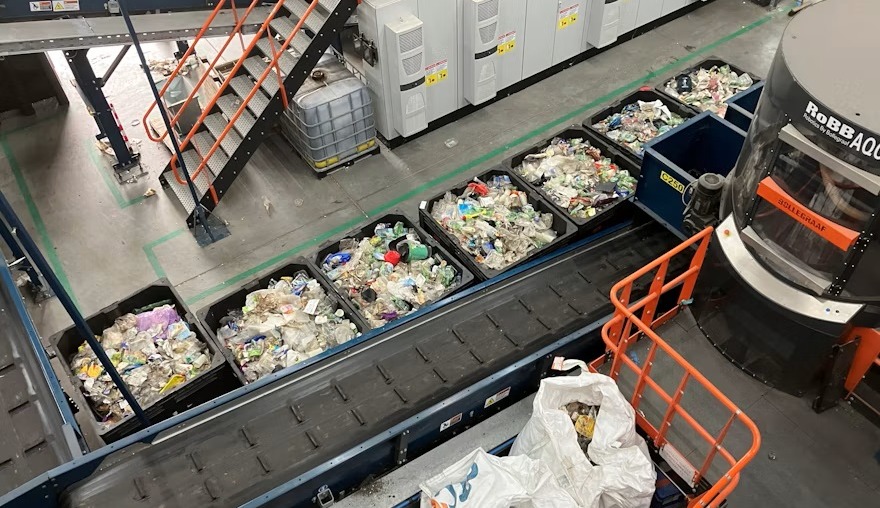
With increasing number of plastic waste polluting Southeast Asia’s environment, there is a growing emphasis on plastic waste recycling.
Indonesia, where only 10% of plastic waste is currently recycled, is targeting a 70% reduction in marine plastic through a government-backed US$18 billion strategy (2017–2040) to expand collection, boost recycling capacity, and improve disposal systems.
Key initiatives include a 36,000-ton/year rPET facility by PT Alba Tridi Plastics Recycling and a large-scale PET recycling plant in East Java by Danone-Aqua and Veolia. Indorama Ventures is also building a site in Karawang to recycle 2 billion PET bottles/year and has secured a US$200 million IFC loan to expand facilities in Nakhon Pathom and Rayong (Thailand).
Thailand has strong demand for recycled plastics and a national recycling infrastructure, especially in Bangkok, Chon Buri, and Rayong—though it still relies on the informal sector for collection.
In Rayong, Indorama and Austria’s Alpla jointly produce 30,000 tons of food-grade rPET and 15,000 tons of rHDPE annually. SCG and Dow target 200,000 tons of plastic recycling per year by 2030 through advanced sorting technologies.
In Malaysia, the country’s national petrochemical firm, Petronas Chemicals Group Berhad, in partnership with UK-based Plastic Energy Limited, is building an advanced chemical recycling plant in Pengerang, Johor. Expected to be operational by 2026, the facility will process 33 kilotons/year of end-of-life plastics.
Vietnam generates around 3.7 million tons of plastic waste annually, yet only 11% is recycled. However, this is changing. Duytan Recycling, in cooperation with Ajinomoto Vietnam under the EPR scheme, collected and recycled 94 tons of plastic in 2023 and aims to increase its PET recycling capacity from 60,000 to 100,000 tons by 2026.
With Vietnam’s strategic location, low labor costs, and tax incentives, it is an attractive hub for recycling operations and fresh investments. Intco Recycling Resources is investing US$60 million to expand its facility in the country to produce recycled plastics for decorative building materials, primarily for export to Europe and the US. The Chinese recycler also has six plastics recycling bases, including a facility for food-grade recycled plastics in Malaysia.
Hotspots of sustainable plastic solutions
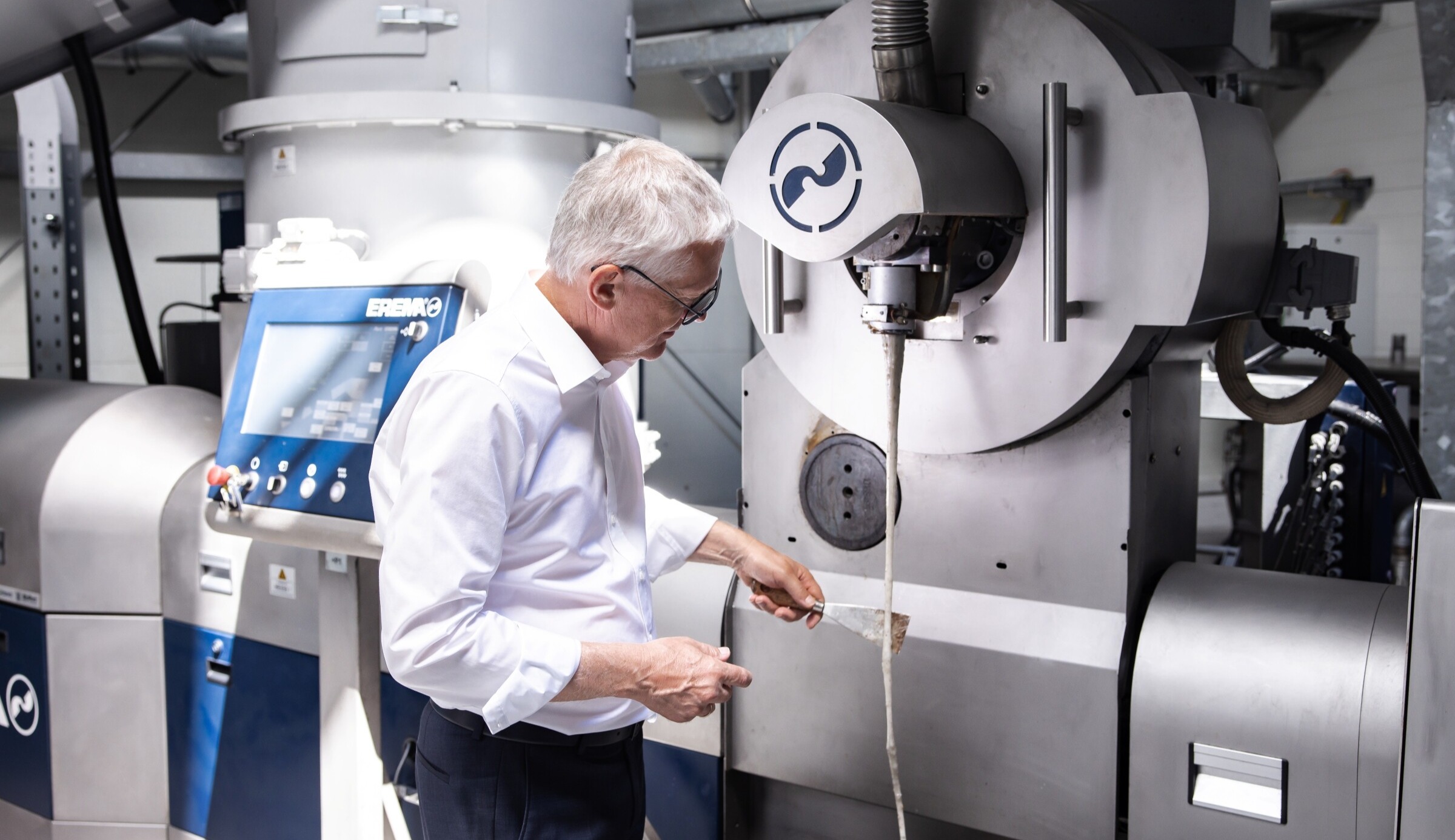
In terms of sustainable plastics, Malaysia and Thailand are leading the Southeast Asian market. Malaysia utilizes empty fruit bunches (EFBs) and palm oil waste to produce bio-plastics such as polylactic acid (PLA), polysaccharides, lignin, and polyhydroxyalkanoates (PHA) through microbial fermentation. On the other hand, Thailand, exports 90% of its bio-plastics to markets including Italy, the Netherlands, China, South Korea, and the US.
Major investors in Thailand include French energy major Total and Dutch biochemical giant Corbion’s joint venture, TotalEnergies Corbion, which manufactures sugarcane-based PLA, and has scaled up production from 75,000 to 100,000 tons/year, running at nameplate capacity.
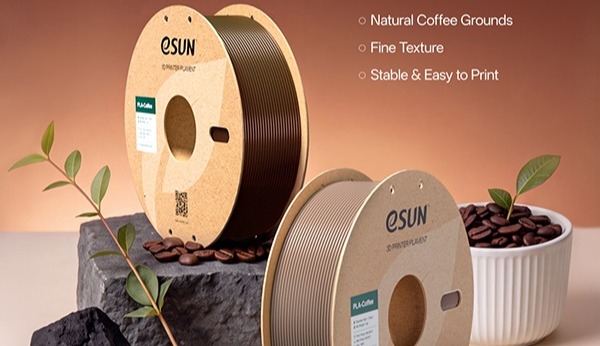
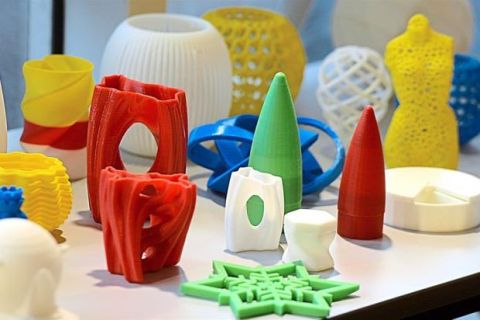
Similarly, NatureWorks, a joint venture between Thailand’s PTT Global Chemical and Cargill, is building a 75,000 tons/year-PLA facility in Nakhon Sawan Province, to be in full production this year. It will be an integrated plant with production sites for lactic acid, lactide, and polymer, to support the Asia Pacific region in sectors such as 3D printing, nonwovens for hygiene, compostable coffee capsules/food serviceware, tea bags and flexible packaging.
Furthermore, Brazilian biopolymer producer Braskem and Thailand’s SCG Chemicals have set up a joint venture, Braskem Siam Company, and are touting the production of the “first of its kind in Southeast Asia” bio-ethylene and bio-based polyethylene to support regional and global demand.
Meanwhile, PTT MCC, a joint venture between PTT Global Chemical and Japan’s Mitsubishi Chemical Corporation, has since 2017 produced bio-polybutylene succinate (bio-PBS), which consists of a succinic acid derived from sugar/cassava and 1,4-butanediol.
Exhibitors from ASEAN in K 2025
Fifty exhibitors from Southeast Asia will be participating in K 2025. Malaysia is the most strongly represented country with 15 exhibitors, followed by Thailand and Singapore with 11 exhibitors each.