














Accelerate bio-based innovation, urges EEA study

The recently published briefing by the European Environment Agency (EEA), titled “Opportunities for Innovation in the Bioeconomy”, emphasizes the urgent need to accelerate bio-based innovations to develop more home-grown sourcing strategies that can enhance Europe’s path to sustainability.
According to the briefing, the EEA’s 32 member countries, which include all EU Member States, currently generate only about half of the biocapacity required to sustain their consumption levels. By promoting a more circular use of domestic biomass and other resources, Europe can reduce its reliance on imports, thereby helping cut related environmental impacts occurring both within and beyond Europe’s borders.
The EEA briefing shows how various bio-based innovations can support the anticipated update of the EU’s bioeconomy strategy. It also connects bioeconomy initiatives to broader EU climate and biodiversity goals in line with the European Green Deal.
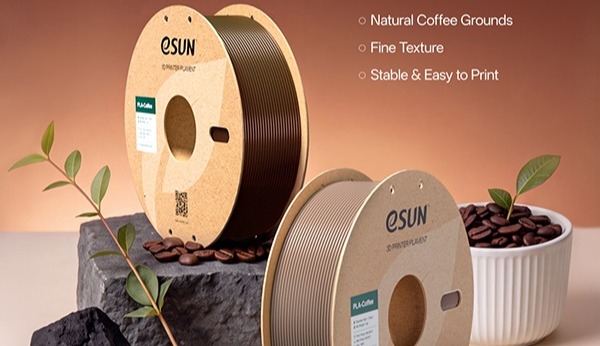
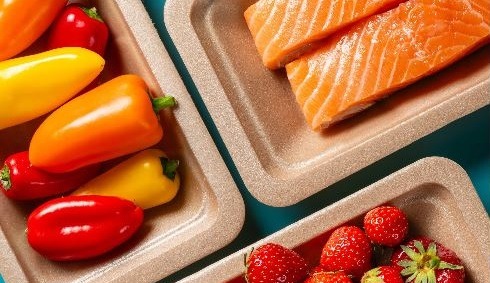
The briefing also identifies several bio-based innovations, many of which originate from waste or by-products, offering more sustainable and circular solutions across industries. For instance, agricultural biomass is primarily sourced from waste materials such as husk, stover, stubble, and processed food waste.
Notably, 30% of environmental and climate pressures in the EEA’s 32 countries is driven by just five key sectors: construction, accommodation and food services, food products, transport, and trade. These sectors are responsible for the largest environmental footprints.
Among these, the construction sector stands out as a major contributor, particularly affecting carbon and forest footprints. This impact is largely due to the extensive resource demands and embedded emissions found within construction supply chains, especially when assessed from a footprint perspective that accounts for upstream impacts beyond EU borders.
Click to read: Opportunities for Innovation in the Bioeconomy