
















Where to find affordable used extrusion equipment!

I. Core Procurement Channels: Precisely Connecting to Cost-Effective Resources
Professional Industrial Equipment Trading Platforms
Major global B2B industrial equipment platforms (e.g., MachineryTrader, Alibaba Industrial, Made-in-China) serve as the primary hubs for used extrusion equipment. These platforms aggregate suppliers worldwide, enabling filtering by equipment model, year of manufacture, and price range. Some also offer third-party inspection reports and transaction protection services. Buyers can conduct precise keyword searches (e.g., used single-screw extrusion equipment, used twin-screw extruder) to compare quotes and service terms across suppliers, making them especially suitable for bulk purchases or specific model requirements.
Industry Trade Shows & Offline Markets
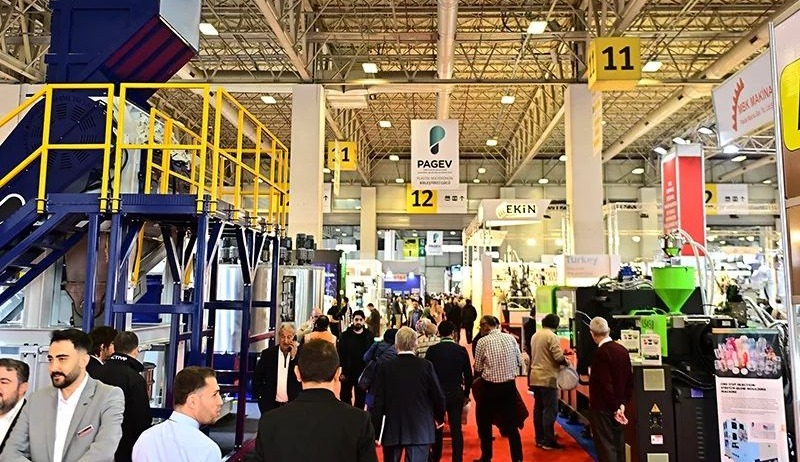
Leading plastic machinery exhibitions worldwide (e.g., Chinaplas, K Show) are vital offline venues for used equipment trading. Many suppliers showcase the operational status of used extrusion equipment on-site, allowing buyers to verify performance firsthand and negotiate prices and after-sales support face-to-face. Additionally, industrial equipment clusters (e.g., second-hand machinery markets in Dongguan, China; Delhi, India; and Tehran, Iran) host numerous local dealers, ideal for domestic or short-distance cross-border procurement to reduce logistics costs and communication barriers.
Peer Resources & Corporate Transfer Channels
Obtaining used equipment information through industry associations, foreign trade communities, and upstream/downstream partners is a key avenue for cost-effective procurement. Many companies sell idle extrusion equipment due to capacity upgrades or production line adjustments. Such equipment typically has a shorter service life, better maintenance records, and prices below the market average. Buyers can post procurement needs at industry conferences or in foreign trade networks, or directly contact relevant enterprises to inquire about transfer opportunities, minimizing cost premiums from intermediaries.
Professional Cross-Border Used Equipment Service Providers
Tailored to the unique needs of foreign trade procurement, specialized cross-border used equipment service providers offer one-stop solutions: procurement – inspection – logistics – customs clearance. These providers are familiar with trade policies and equipment standards across countries, assisting buyers in connecting with high-quality overseas suppliers, conducting on-site equipment inspections, issuing quality assessment reports, and optimizing logistics plans to reduce cross-border costs. They are particularly valuable for buyers unfamiliar with overseas markets, effectively mitigating language barriers and trade restrictions.
II. Key Procurement Principles: Balancing Price and Quality
Define Core Equipment Requirements
Before procurement, clearly define equipment parameters (e.g., screw diameter, output capacity, applicable raw material types), production capacity requirements, and budget limits to avoid inefficient blind searching. For example, extrusion equipment for film production requires attention to screw L/D ratio and temperature control accuracy, while pipe production equipment prioritizes extrusion stability and mold compatibility. Defining requirements enables targeted supplier screening, preventing rework or additional costs from mismatched specifications.
Strictly Verify Equipment Quality
Affordability does not mean compromising quality; the primary risk with used extrusion equipment lies in hidden defects. Buyers should request suppliers to provide equipment operation videos, maintenance records, and factory inspection reports. If necessary, engage third-party agencies for on-site inspections, focusing on wear conditions of core components (screw, barrel, motor), operational stability, and energy consumption indicators. For cross-border procurement, terms such as “payment upon acceptance after delivery” can be agreed to reduce quality risks.
Comprehensively Evaluate Total Cost
Beyond the purchase price, fully account for hidden costs in cross-border procurement, including logistics and transportation fees, customs duties, clearance charges, installation and commissioning costs, and long-term maintenance expenses. For instance, sourcing used extrusion equipment from Europe requires consideration of ocean freight and EU CE certification compliance costs; sourcing from Iran demands attention to foreign exchange settlement methods and sanctions-related trade restrictions. Only by calculating total costs can buyers accurately assess actual cost-effectiveness and avoid overlooking follow-up expenses by focusing solely on quoted prices.
Clarify After-Sales Support Terms
After-sales support is a critical factor in procurement decisions for used equipment. Buyers must negotiate clear terms with suppliers regarding warranty periods, maintenance response times, and spare parts availability. For cross-border procurement, explicitly address the feasibility of cross-border repairs and cost-sharing arrangements. Prioritize suppliers with local after-sales support, or purchase extended warranty services through third-party providers to ensure timely maintenance during operation.
III. Special Considerations for Foreign Trade Procurement
Cross-border procurement of used extrusion equipment requires extra attention to trade policies and compliance requirements. For example, some countries impose strict inspection and quarantine standards on imported used equipment (e.g., China requires an Import License for Used Mechanical and Electrical Products). Countries like Iran and India necessitate close attention to foreign exchange controls and customs clearance procedures. Buyers must research target country policies in advance and prepare complete trade documents (e.g., commercial invoice, packing list, equipment inspection report, certificate of origin) to avoid cargo detention or additional fines due to non-compliance. Additionally, select suppliers with cross-border trade experience to ensure standardized documentation, smooth logistics, and reduced trade risks.
Conclusion
Sourcing affordable used extrusion equipment requires a balanced approach to channel selection, quality verification, and cost control. Especially in foreign trade scenarios, buyers must adopt a strategy of “Precise Channeling, Systematic Decision-Making, and Risk Control”. By connecting with resources through professional platforms, rigorously verifying equipment quality, and comprehensively evaluating total costs, buyers can meet production needs while maximizing procurement cost-effectiveness, providing reliable equipment support for the stable development of cross-border business.