













Teijin develops solvent-based recycled polycarbonate resin

Teijin Limited is employing solvent-based recycling to produce high-quality recycled polycarbonate (PC) resin that matches the quality of virgin resin.
This innovative recycling technology utilizes solvents to dissolve waste PC resin, separating pure polymers from contaminants such as surface coatings. It addresses challenges like material degradation in mechanical recycling and the high costs and carbon emissions associated with chemical recycling.
The expansion of recycled material usage has become a pressing issue, particularly in Europe, where a new End-of-Life Vehicle (ELV) regulation has been finalized. This directive mandates the inclusion of recycled plastics from ELVs in the manufacturing of new cars.
PC resin is prized for its transparency and impact resistance, making it suitable for a wide range of applications, including automotive parts and electrical components. However, waste PC resin often contains contaminants that can negatively impact the properties, clarity, and aesthetics of the recycled material. To tackle this issue, Teijin is developing solvent-based recycling for waste PC resin obtained from sources like ELV headlamps.
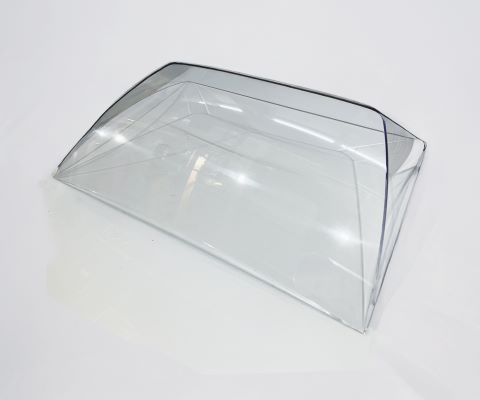
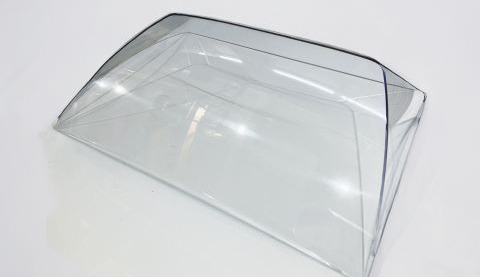
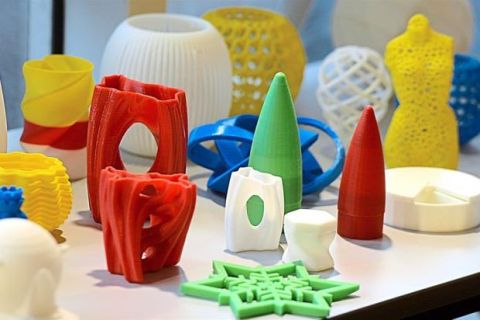
Molded product incorporating recycled PC resin produced using solvent-based technology.
Benefits of solvent-based recycling
Teijin processes PC resin that has already undergone conventional mechanical recycling steps, such as crushing and washing, but is unsuitable for applications requiring high transparency.
The company dissolves this material in solvents and removes impurities, converting it into reusable polymers. This process allows Teijin to reclaim materials with properties, including transparency, comparable to virgin PC.
The PC resin produced through solvent-based recycling exhibits high transparency, making it suitable for closed-loop and horizontal recycling—for instance, recycling discarded vehicle headlamps into new headlamps or other transparent components. This approach promotes the adoption of recycled materials and supports compliance with upcoming regulations.
Moreover, since the solvent-based process does not involve breaking materials down to their chemical components, it helps keep costs lower compared to PC resin produced via chemical recycling. Additionally, solvent-based recycling requires fewer process steps, contributing to reduced CO2 emissions.
Teijin aims to commercialize PC resin produced through solvent-based recycling by the fiscal year 2026. The company will also continue research and development efforts to further enhance the quality of PC resin generated through this method.
Booth: 7.2C54