

















AIMPLAS to develop manufacture process for bioplastics from agricultural waste

AIMPLAS is leading the BIOVALSA project – an initiative that develops innovative processes for manufacturing sustainable bioplastics from agricultural waste and pruning residues, including rice straw and citrus pruning waste.
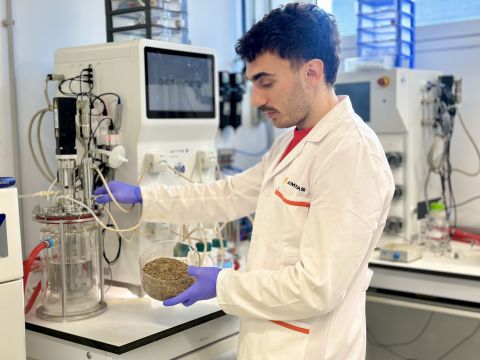
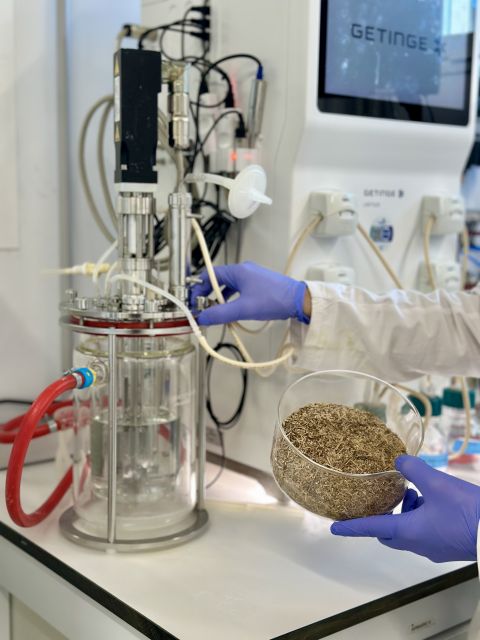
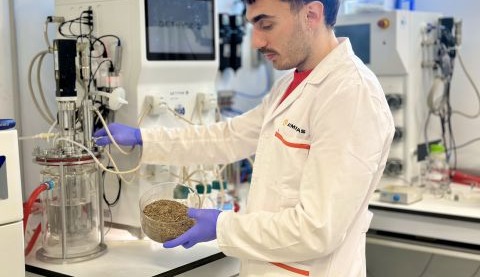
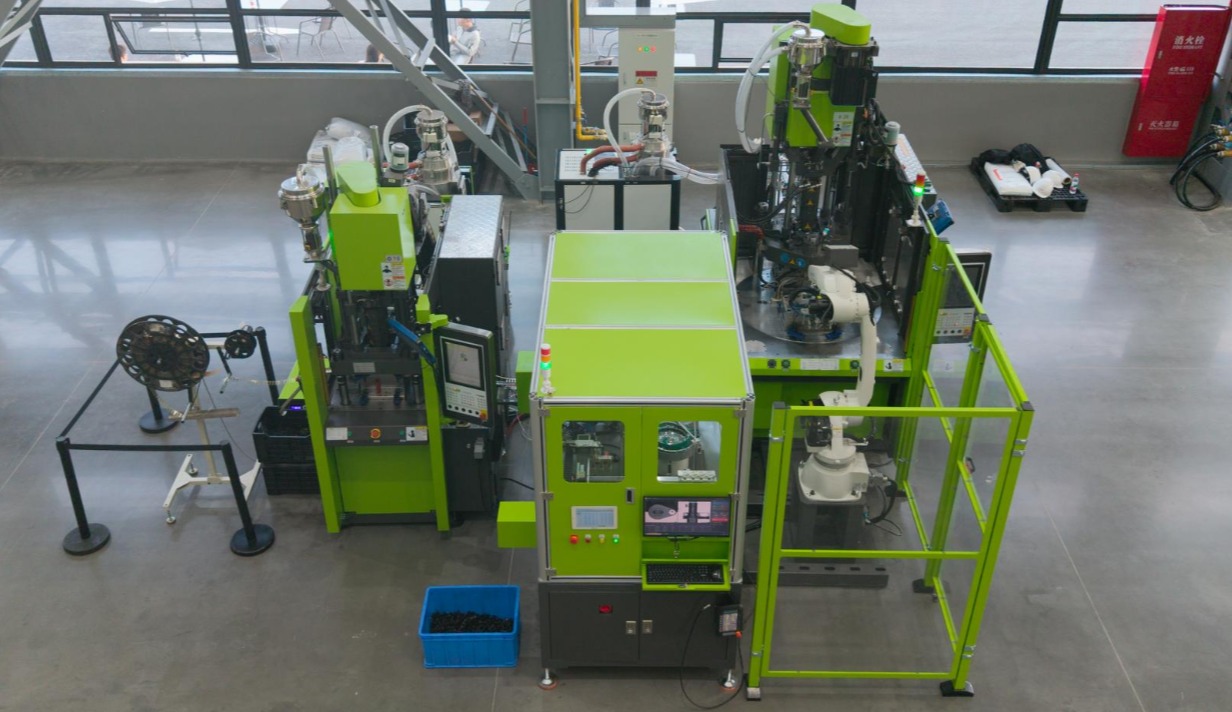
The BIOVALSA project, led by AIMPLAS, aims to develop manufacturing process for sustainable bioplastics rom agricultural waste. (Source: AIMPLAS)
Specifically, the idea is to replace the usual treatments with others that allow the three fractions (cellulose, hemicellulose and lignin) that make up the lignocellulosic biomass to be recovered for use in various applications of interest to the bioplastics industry.
Cellulose will thus be used to produce lactic acid, a key compound in the manufacture of PLA, the most widely used bioplastic, while hemicellulose is expected to yield succinic acid, which is necessary for the production of PBS, another sustainable biopolymer with greater flexibility and heat resistance.
Finally, the antimicrobial properties of lignin make it suitable for recovery and use as an additive to prevent the proliferation of microorganisms, which increases the market value and expands the potential applications of these biodegradable and compostable materials.
The project is in its first year of development. Progress has been made in separating the components of rice straw using alternative methods that do not involve toxic substances. Different strains of bacteria and microorganisms capable of breaking down cellulose and hemicellulose to generate the lactic and succinic acids necessary for the production of bioplastics are also being tested.
The BIOVALSA project, funded by IVACE+i and ERDF funds, also includes participation of FoodUPV, Bioban, Viromii and Prime Biopolymers.